DIAGNOSTICS
Check Engine Light Before Your CT Emissions Test? Here's What to Do
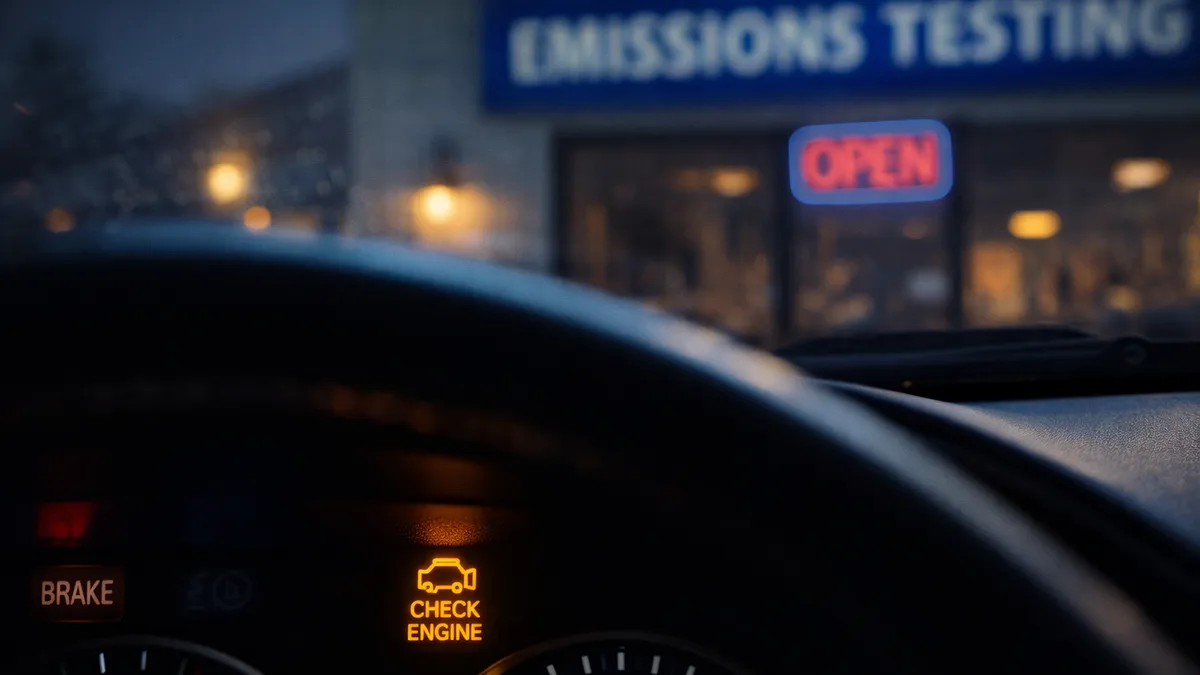
Your Connecticut emissions test is due next month. You get in your car, and there it is -- the check engine light, glowing amber on the dashboard. You're wondering: should I just go for the test and hope for the best?
No. Don't waste your time or the $20 test fee. A check engine light is an automatic failure on the Connecticut emissions test. It doesn't matter why the light is on. It doesn't matter if your car seems to run fine. The light on = fail. Every time.
Here's what to do instead. (For background on how the test works, who's exempt, and the full process, see our CT emissions testing guide.)
Why the Check Engine Light Is an Automatic Fail
Connecticut's emissions test is an OBD-II scan. The technician plugs into your vehicle's diagnostic port and reads data from the onboard computer. One of the first things the scan checks is the malfunction indicator lamp (MIL) status -- that's the technical name for your check engine light.
If the computer reports that the MIL is commanded on, the test stops right there. Fail. The reasoning is simple: the check engine light means the vehicle's own computer has detected a problem with an emissions-related system. Until that problem is resolved, the vehicle can't be certified as meeting emissions standards.
The "Clear the Code" Trap
This is the most common mistake we see. Someone tells you to buy a $20 OBD-II scanner from Amazon, clear the codes, and rush to the emissions station before the light comes back on. It sounds clever. It doesn't work. Here's why:
When you clear diagnostic trouble codes, you also reset all the readiness monitors to "not ready." The CT emissions test checks these monitors. If too many show "not ready," the vehicle fails for incomplete monitors -- a different kind of failure, but a failure nonetheless.
So instead of one failure reason, you now have two problems: the underlying issue that caused the code, plus monitors that aren't set. You've gained nothing except burning $20 on the test fee and wasting a trip.
Even if you drive enough miles after clearing the codes for the monitors to set, the check engine light will come back on if the underlying problem still exists -- usually within 20-50 miles of driving. It's a race you can't win.
What to Do: Step by Step
Step 1: Get a Diagnostic
Before anything else, find out why the light is on. At P&C Repair, a diagnostic evaluation involves more than just reading the code number. We look at live data, freeze frame data (a snapshot of engine conditions when the code was set), and test individual components to find the root cause.
The code tells us the symptom. Diagnosis tells us the cause. A P0420 code means "catalyst efficiency below threshold" -- but the actual problem could be the catalytic converter, an oxygen sensor, an exhaust leak, or an engine running rich and damaging the cat. Without proper diagnosis, you're guessing at which parts to replace.
Step 2: Get an Estimate and Make the Repair
Once we know the cause, we provide a written estimate. You approve the repair before we start. No surprises.
Common check engine light repairs and their typical costs:
- Gas cap replacement: $10-$20 (yes, really -- always check this first)
- Oxygen sensor: $150-$400
- Mass airflow sensor: $150-$400
- Spark plugs and ignition coils: $100-$500 depending on engine
- EVAP purge or vent valve: $100-$250
- Catalytic converter: $800-$2,000+
- EGR valve: $200-$500
- Exhaust leak repair: $100-$400
Step 3: Drive 50-100 Miles
After the repair, the check engine light should be off. But the readiness monitors still need to complete their self-tests. This requires driving under mixed conditions -- some highway, some city, some idle time -- for typically 50 to 100 miles.
Don't skip this step. If you go straight to the test station after a repair, your monitors may show "not ready" and you'll fail. At P&C Repair, we check your monitor status before you leave so you know when you're ready for the test.
Step 4: Verify and Retest
Before going for the official emissions test, stop by and we'll do a quick scan to confirm:
- Check engine light is still off
- No new codes have been stored
- All required readiness monitors are set
This takes two minutes and saves you a wasted trip if something isn't right.
What If the Light Comes Back On After Repair?
Sometimes it happens. A repair fixes one problem, and the computer then detects a secondary issue that was masked by the first code. Or a repair was made based on incomplete information and the root cause wasn't fully addressed.
If the light returns after a repair, come back in. At P&C Repair, we stand behind our diagnostic work. If the same code returns after a repair we performed, we'll re-evaluate at no additional diagnostic charge. If it's a new code for a different issue, we'll diagnose that separately.
If repair costs start adding up and the vehicle is older, you may qualify for a Connecticut emissions waiver once you've spent $1,137 or more on qualifying emissions repairs.
How Long Before My Test? Plan Ahead
If your emissions test is due and your check engine light is on, don't wait until the last week. Here's a realistic timeline:
- Diagnostic appointment: Same day or next day at most shops
- Parts availability: Common parts are usually in stock or next-day. Catalytic converters and less common parts may take 2-5 business days to arrive.
- Repair time: Most emissions repairs are completed in a few hours to one day
- Drive cycle: 50-100 miles of mixed driving, which usually takes 2-5 days of normal use
Total realistic timeline from "light is on" to "ready to test": about one to two weeks. If you need a catalytic converter on a vehicle that requires a special-order part, budget three weeks.
Connecticut sends your emissions test reminder well in advance. As soon as you get that notice, check your dashboard. If the light is on, schedule a diagnostic immediately. Don't wait until the deadline is breathing down your neck.
Pre-Emissions Check at P&C Repair
Whether your check engine light is on or you just want peace of mind, we offer a pre-emissions inspection at our Thomaston shop. We scan for codes, check all readiness monitors, and give you a clear yes-or-no on whether your vehicle is ready to pass. If something needs attention, we catch it before you spend $20 on a guaranteed fail.
P&C Repair is a certified CT emissions testing station at 64 N Main St in Thomaston. We test, diagnose, repair, and retest -- all in one place. Call (860) 601-0271 or stop by Monday-Friday 8AM-5PM, Saturday 8AM-1PM.
Need Help With This?
If something in this article sounds like what your vehicle is going through, bring it in. We'll diagnose the issue and give you a straight answer.
Keep Reading
More from The Garage
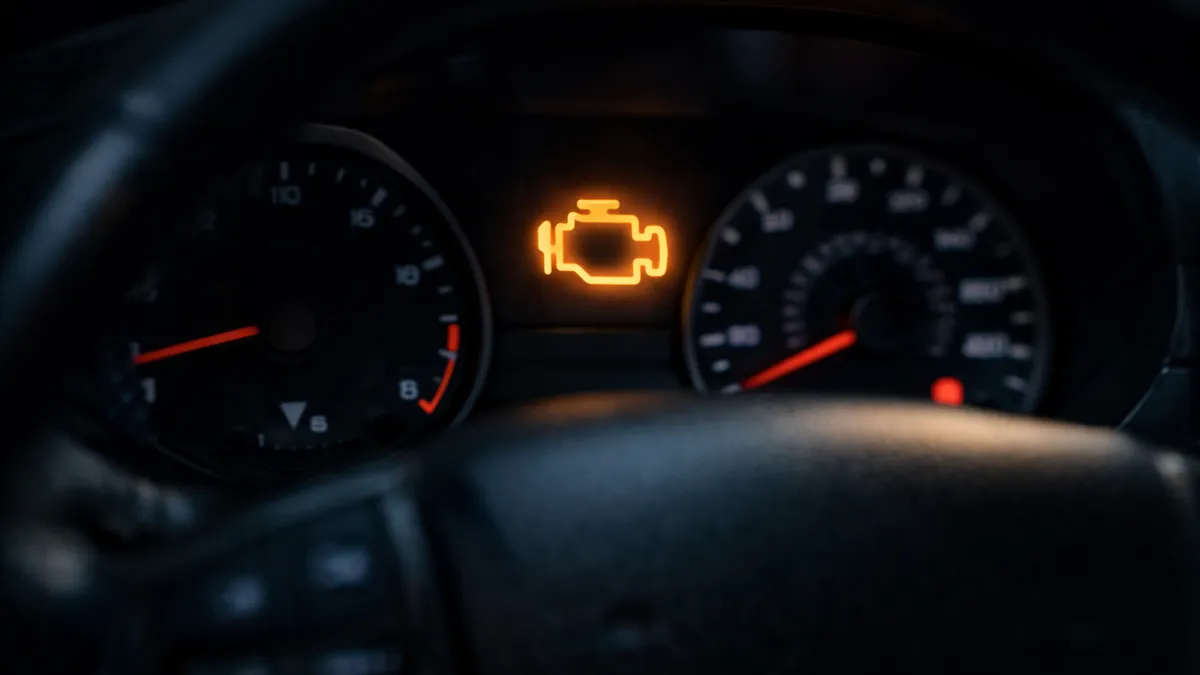
Check Engine Light On? Here's What It Could Mean
Your check engine light can mean anything from a loose gas cap to a serious engine problem. Here's how to tell the difference and what to do next.
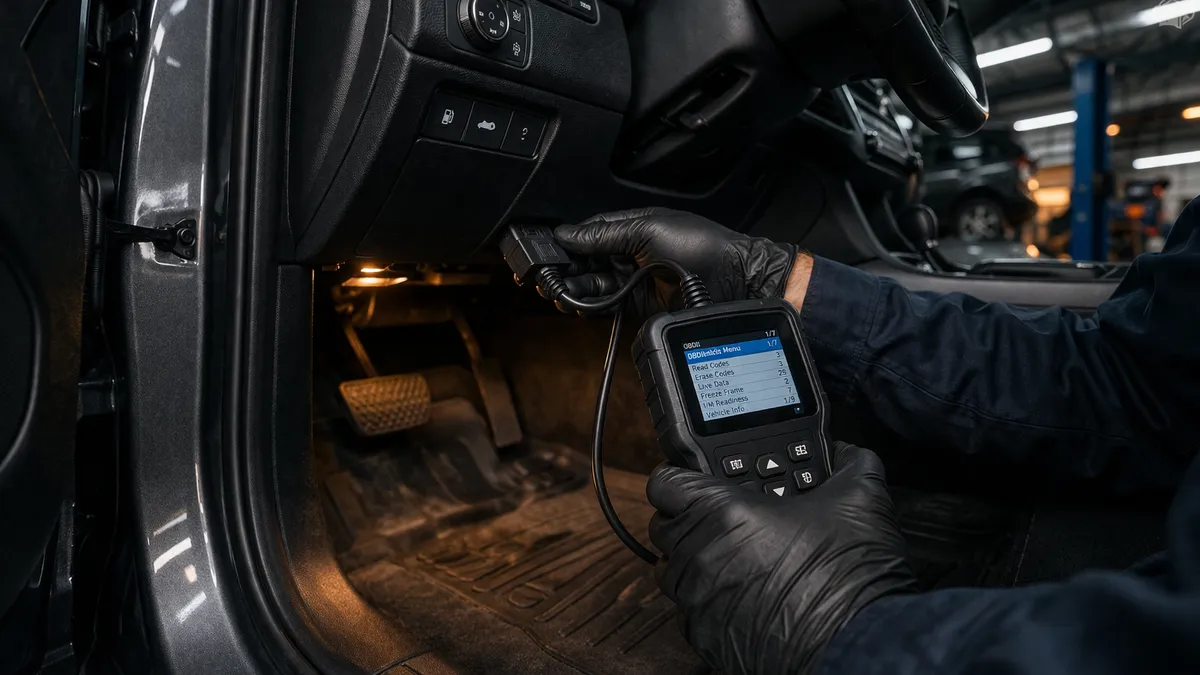
CT Emissions Test Coming Up? Here's What to Know
Everything Connecticut drivers need to know about emissions testing -- what's checked, who's exempt, how to prepare, and what to do if your vehicle fails.
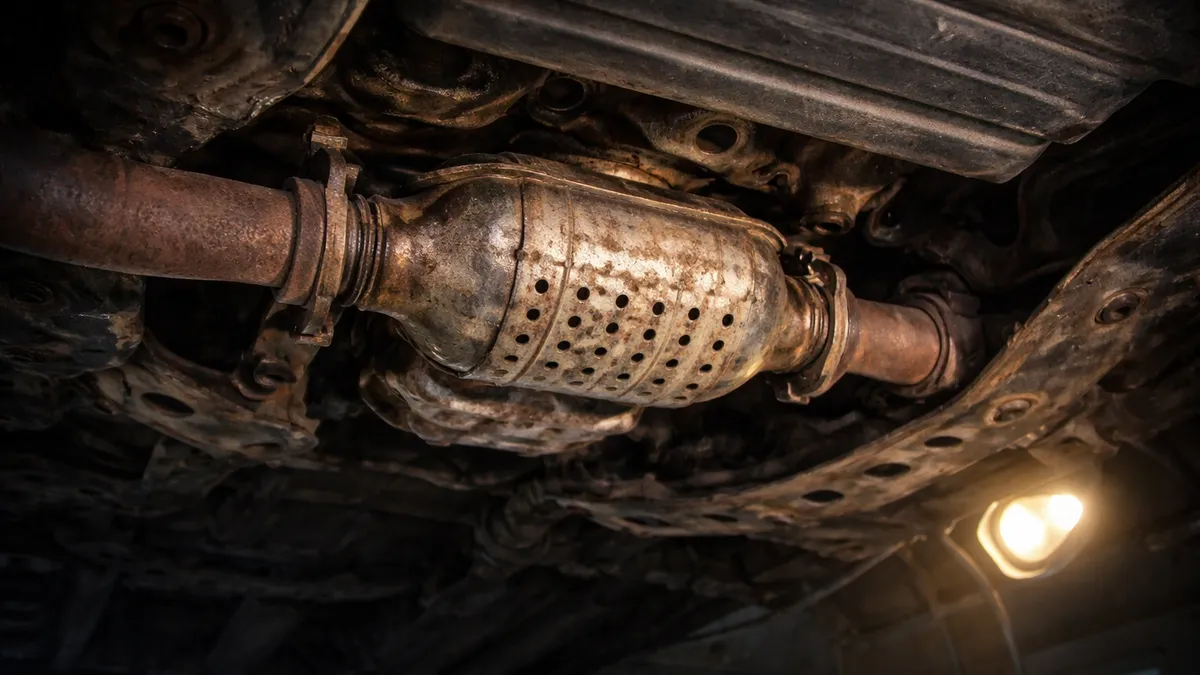
5 Common Reasons Cars Fail CT Emissions (and How to Fix Them)
Most emissions failures in Connecticut come down to these five problems. Here's what causes them, what they cost to fix, and how to prevent them.
Ready to Get Your Vehicle Fixed?
Schedule your appointment today. Free estimates on all repairs -- we'll explain what needs to be done before we do any work.