REPAIR_GUIDES
5 Common Reasons Cars Fail CT Emissions (and How to Fix Them)
At P&C Repair in Thomaston, we're a certified Connecticut emissions testing station. We test hundreds of vehicles and see the same failure patterns again and again. If your vehicle failed -- or you're worried it might -- chances are it's one of these five issues.
Here's what causes each one, what the fix typically costs, and what you can do to prevent it. New to Connecticut emissions testing? Our complete CT emissions testing guide covers what gets checked, who's exempt, and the full process.
1. Failing Catalytic Converter (Code P0420 / P0430)
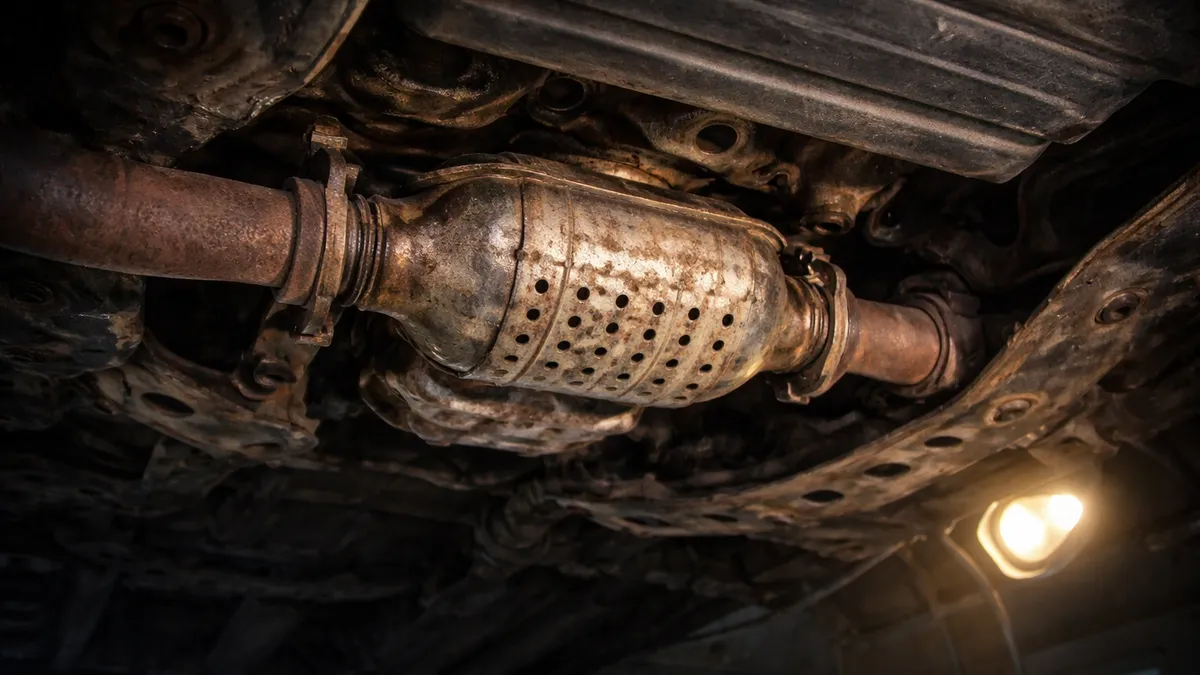
This is the single most common emissions failure we see, especially on vehicles with 100,000+ miles. The catalytic converter is the component in your exhaust system that converts harmful gases (carbon monoxide, hydrocarbons, nitrogen oxides) into less harmful emissions. When it loses efficiency, your vehicle's computer detects the drop and stores a code.
What You'll Notice
Often, nothing. A failing catalytic converter doesn't always produce obvious symptoms. Your car might run perfectly fine -- the only clue is the check engine light and the P0420 or P0430 trouble code. In more advanced cases, you might notice a sulfur or rotten-egg smell from the exhaust, or reduced power at high speeds.
The Fix
First, proper diagnosis. Not every P0420 code means the cat needs replacing. A failing oxygen sensor, exhaust leak before the downstream O2 sensor, or even an engine misfire sending unburned fuel into the converter can trigger the same code. We test the actual converter efficiency with live scan data before recommending replacement.
If the converter does need replacing: $800-$2,000+ depending on your vehicle. Some vehicles (particularly Subarus and certain Toyotas) have converters that are more expensive due to design or precious metal content. Aftermarket converters meeting EPA standards are available for most vehicles and cost significantly less than OEM.
Prevention
Keep up with regular maintenance. Misfires, rich-running conditions, and oil burning all damage the catalytic converter over time. Fix check engine lights promptly -- a problem that would have been a $200 sensor replacement can turn into a $1,500 converter replacement if ignored.
2. Bad Oxygen Sensors
Your vehicle has at least two oxygen sensors (some have four). They measure the oxygen content in your exhaust and send data to the engine computer, which uses it to adjust the fuel mixture. When an O2 sensor fails, the engine can't optimize its fuel delivery, which increases emissions and triggers a check engine light.
What You'll Notice
Reduced fuel economy is the most common symptom. You might also notice rough idling or a slight hesitation during acceleration. Many drivers don't notice anything at all until the check engine light comes on.
The Fix
Oxygen sensor replacement: $150-$400 depending on which sensor and the vehicle. Upstream (pre-catalytic converter) sensors are usually easier to access and cheaper. Downstream sensors can be more difficult to reach. In Connecticut, corrosion from road salt can make O2 sensor removal challenging -- sometimes the sensor is seized in the exhaust bung and requires careful extraction to avoid damaging the threads.
Prevention
O2 sensors are wear items with a typical lifespan of 80,000-100,000 miles. There's no way to make them last longer -- they just wear out. But addressing other engine problems promptly (oil leaks, coolant leaks, misfires) prevents contamination that can shorten sensor life.
3. EVAP System Leaks
The evaporative emissions (EVAP) system captures fuel vapors from your gas tank and routes them back into the engine to be burned, instead of releasing them into the atmosphere. The system includes the gas cap, fuel tank, charcoal canister, purge valve, vent valve, and connecting hoses.
Any leak in this system -- even a tiny one -- triggers a check engine code and an automatic emissions failure.
What You'll Notice
Usually nothing. EVAP leaks don't affect how your car runs. The only symptom is the check engine light. Occasionally you might smell fuel vapors near the rear of the vehicle, but that's not always the case.
The Fix
The cheapest possibility: a loose or worn gas cap ($10-$20). Always check this first. Tighten the cap until it clicks. If the cap seal is cracked or the cap doesn't click anymore, replace it.
Beyond the gas cap, EVAP repairs range from $50 to $400+. A cracked hose is cheap. A failed purge valve or vent valve runs $100-$250 for parts and labor. A failed charcoal canister is $200-$400. Diagnosis requires a smoke test -- we pressurize the system with smoke and look for where it escapes. It's the only reliable way to find small leaks.
Prevention
Always tighten your gas cap until it clicks after fueling. Don't top off the tank past the first click of the fuel nozzle -- overfilling can saturate the charcoal canister and damage it. In Connecticut, rubber EVAP hoses deteriorate faster due to temperature extremes, so these failures become more common on vehicles over 10 years old.
4. Incomplete Readiness Monitors
This one catches people off guard because it's not a mechanical failure. Your vehicle's computer continuously runs self-diagnostic checks called readiness monitors. These tests verify that emissions systems (catalytic converter, O2 sensors, EVAP system, EGR, etc.) are functioning properly. The tests only complete under specific driving conditions.
Connecticut allows a maximum of one incomplete monitor on 1996-2000 model year vehicles, and one incomplete monitor on 2001 and newer vehicles. If more monitors are incomplete, the test result is "not ready" -- which counts as a failure.
Why Monitors Aren't Set
- Recently cleared codes: If someone cleared your check engine light with a scan tool, all monitors reset to "not ready"
- Recent battery disconnect: Replacing the battery or disconnecting it for any reason resets the monitors
- Recent repairs: After emissions-related repairs, monitors need to be re-run
- Insufficient driving: If you only make short trips, some monitors (especially the EVAP monitor and catalyst monitor) may never complete their test cycle
The Fix
Drive your vehicle for 50-100 miles under mixed conditions: some highway driving at steady speeds, some city driving with stops and starts, and let the engine idle for a few minutes after a cold start. The monitors need varied conditions to complete. Some vehicles are notoriously stubborn about setting monitors -- older Fords and certain Chrysler products can take 200+ miles.
The cost: $0 -- just your time and gas. But if you're unsure whether your monitors are set, we can check them in about two minutes with a scan tool before you waste a trip to the test station.
Prevention
Don't clear codes right before an emissions test. If your check engine light is on, get it diagnosed and repaired -- then drive enough to let the monitors complete. Don't try to game the system by clearing codes. It doesn't work and wastes your time.
5. Exhaust Leaks
This is a Connecticut special. Road salt absolutely destroys exhaust systems. We see more exhaust corrosion here than almost any other type of failure, and it directly affects emissions testing.
An exhaust leak before the oxygen sensors throws off the O2 readings. The engine computer sees incorrect data, adjusts the fuel mixture incorrectly, and stores trouble codes. The leak also allows fresh air into the exhaust stream, which the downstream O2 sensor misreads as a lean condition or a failing catalytic converter.
What You'll Notice
A ticking, hissing, or rumbling sound from under the vehicle, especially during cold starts. The sound often gets quieter as the engine warms up because metal expands and temporarily seals small gaps. You might also notice exhaust smell inside the cabin -- which is a safety concern beyond just emissions.
The Fix
Depends on where the leak is and how bad the corrosion is:
- Exhaust manifold gasket: $150-$400
- Flex pipe replacement: $150-$300
- Exhaust pipe section replacement: $100-$300
- Manifold crack or warp: $300-$600+
In severe cases where multiple sections are corroded through, a larger portion of the exhaust system may need replacing. We always try to repair the minimum needed rather than replacing the entire system unnecessarily.
Prevention
Undercoating helps protect the undercarriage and exhaust from salt corrosion. Getting your vehicle undercoated before winter is the best defense. Rinsing the undercarriage periodically during winter (especially after heavy salt events) also helps. But honestly, in Connecticut, exhaust corrosion is more of a "when" than an "if" -- the best you can do is slow it down.
How P&C Repair Can Help
We're a certified Connecticut emissions testing station and a full-service repair shop. If your vehicle fails, we diagnose the actual root cause -- not just read the code and guess. We provide a written estimate, make the repair, verify your readiness monitors are set, and retest you right here.
If you want to be proactive, we offer a pre-emissions inspection. We'll check your monitors, scan for codes, and inspect your exhaust system before you go for the official test. If something needs attention, we catch it before you pay the $20 test fee for a guaranteed fail.
P&C Repair is located at 64 N Main St in Thomaston, CT. We serve Waterbury, Watertown, Plymouth, Terryville, Bristol, Harwinton, Torrington, and all of Litchfield County. Call us at (860) 601-0271.
Need Help With This?
If something in this article sounds like what your vehicle is going through, bring it in. We'll diagnose the issue and give you a straight answer.
Keep Reading
More from The Garage
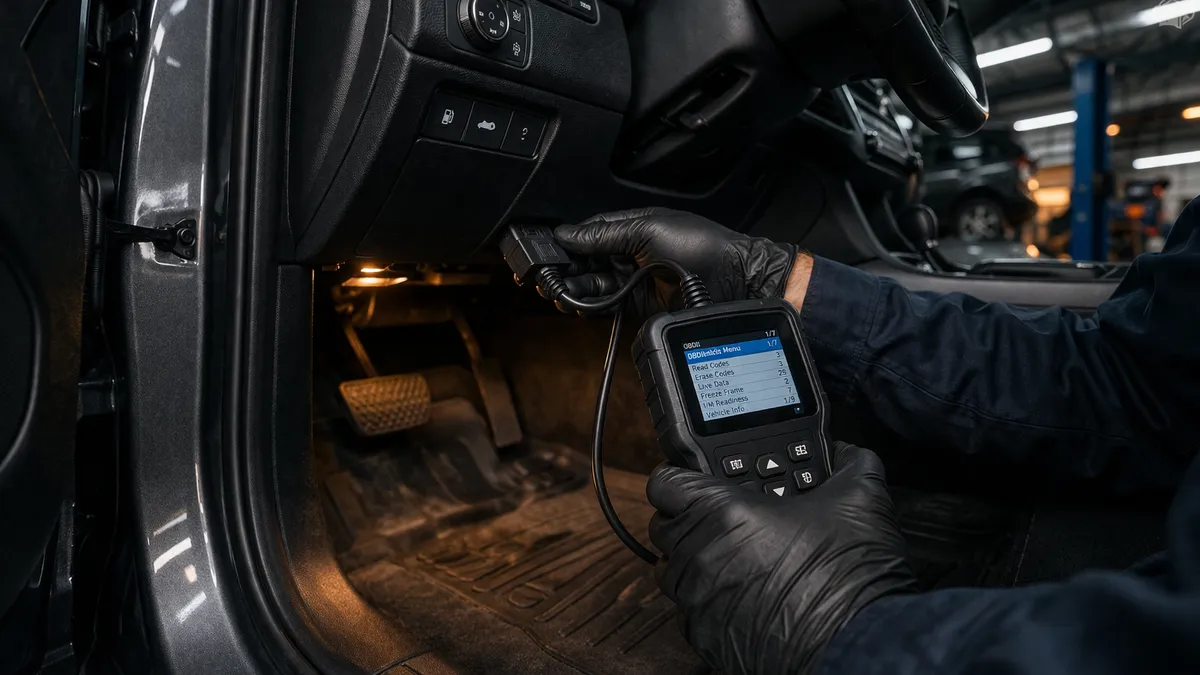
CT Emissions Test Coming Up? Here's What to Know
Everything Connecticut drivers need to know about emissions testing -- what's checked, who's exempt, how to prepare, and what to do if your vehicle fails.
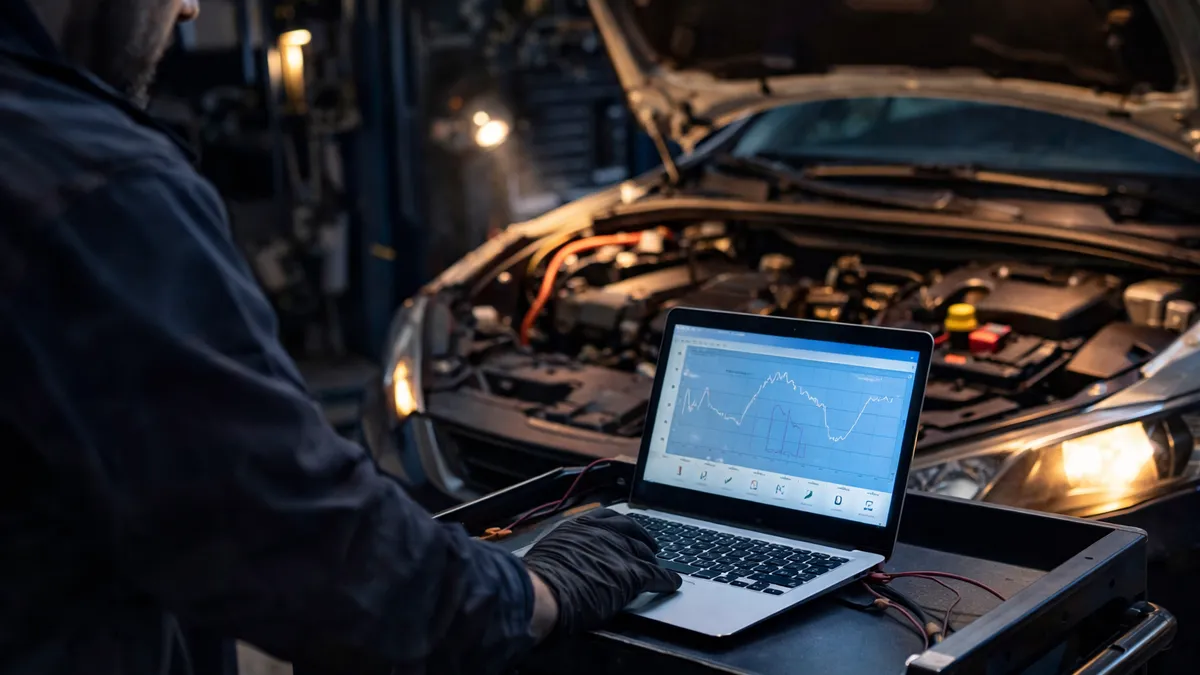
Car Failed CT Emissions? Here's Exactly What to Do Next
Your car failed the Connecticut emissions test. Don't panic -- here's your step-by-step guide to repairs, retesting, waivers, and deadlines.
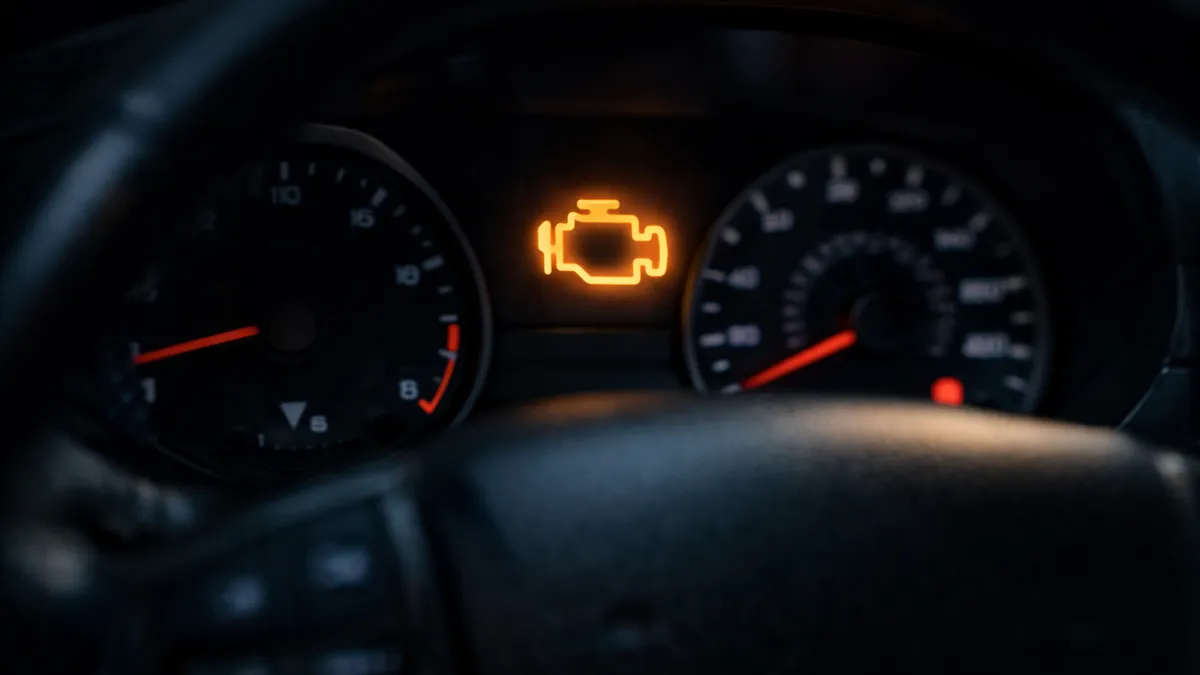
Check Engine Light On? Here's What It Could Mean
Your check engine light can mean anything from a loose gas cap to a serious engine problem. Here's how to tell the difference and what to do next.
Ready to Get Your Vehicle Fixed?
Schedule your appointment today. Free estimates on all repairs -- we'll explain what needs to be done before we do any work.