CT_DRIVING
CT Emissions Waiver: How It Works and When You Qualify
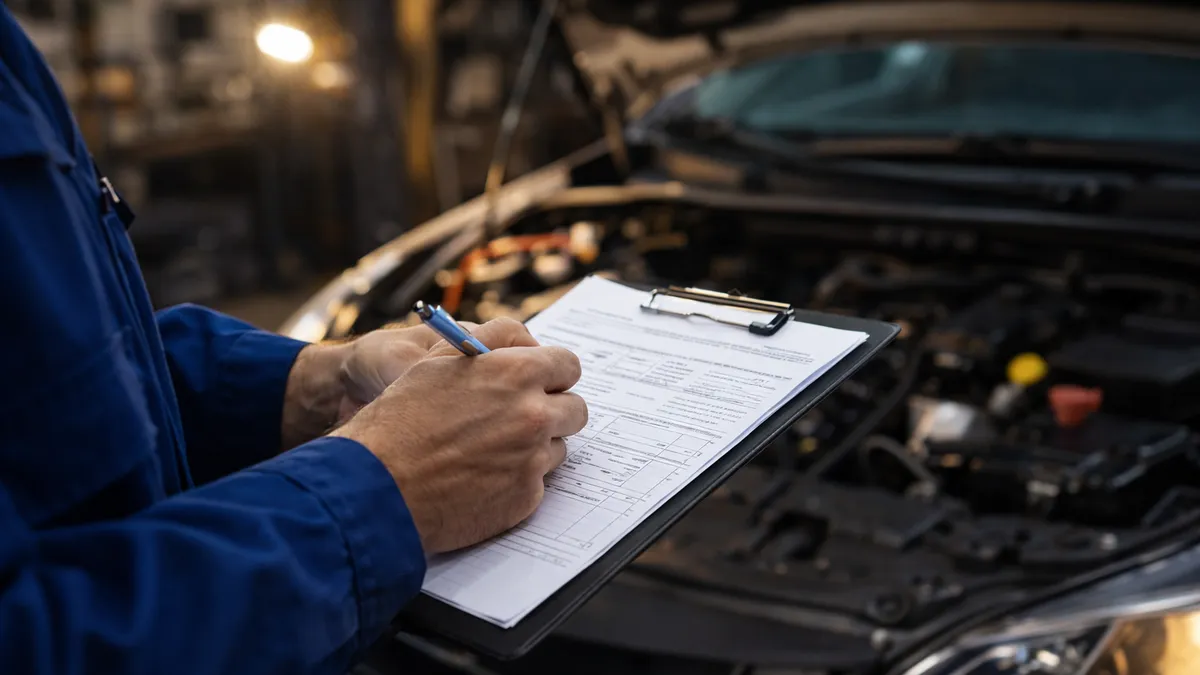
Sometimes you do everything right -- you get the diagnosis, make the repairs, drive the miles to set the monitors -- and your vehicle still won't pass the Connecticut emissions test. It happens, especially with older vehicles where one fix reveals the next problem.
Connecticut has a waiver program for exactly this situation. It's designed to protect vehicle owners from being trapped in an endless cycle of expensive repairs on an aging vehicle. But there are specific rules about who qualifies and how the process works. (For the full rundown of how the testing program works, who's exempt, and what happens when you fail, see our CT emissions testing guide.)
What Is the CT Emissions Waiver?
The emissions waiver is a two-year exemption from Connecticut's emissions testing requirement. If you've spent a minimum amount on qualifying emissions repairs and your vehicle still can't pass, the state will waive the testing requirement for one cycle (two years).
It's not a free pass to skip the test. It's a safety net for vehicle owners who've made a good-faith effort to fix their vehicle but hit a wall. After the waiver expires, your vehicle will need to be tested again at the next cycle.
The Current Waiver Threshold: $1,137
As of this year, you must have spent at least $1,137 on qualifying emissions-related repairs to be eligible for a waiver. This threshold is adjusted periodically by the state, so it may change in future years -- confirm the current figure with us or the DMV before counting on it.
Here's what counts -- and what doesn't:
Qualifying Repairs (Count Toward the Threshold)
- Catalytic converter replacement or repair
- Oxygen sensor replacement
- EVAP system component replacement (purge valve, vent valve, charcoal canister, hoses)
- EGR valve cleaning or replacement
- Exhaust manifold repair or replacement (when related to emissions failure)
- Mass airflow sensor replacement
- Spark plug and ignition coil replacement (when related to misfire codes affecting emissions)
- Engine vacuum leak repair (when causing emissions codes)
- PCM/ECM reflash or replacement (when required for emissions compliance)
- Diagnostic labor directly related to emissions failure investigation
Non-Qualifying Repairs (Don't Count)
- Oil changes, fluid flushes, or routine maintenance
- Brake repair, tire replacement, or alignment
- Transmission work
- Body work or cosmetic repairs
- Battery replacement (even though it resets monitors)
- AC service
- Any work not directly tied to an emissions test failure code
The key distinction is that the repair must be directly related to the emissions failure. If your vehicle failed for a P0420 code and you paid for a catalytic converter replacement, that counts. If you also got an oil change and new brakes during the same visit, those costs don't count toward the threshold.
How to Apply for the Waiver
The waiver process goes through the emissions testing station, not the DMV. Here's the step-by-step:
- Fail the initial emissions test. You need a documented failure on record.
- Get emissions-related repairs from a licensed repair facility. Keep all itemized receipts -- you'll need them.
- Return for a retest. Your vehicle must fail again after the repairs. This proves you made a good-faith effort.
- Present your receipts to the emissions testing station. The receipts must show the shop name, date, itemized repairs, and total cost. They need to clearly identify emissions-related work.
- The station reviews and submits the waiver. If your repair costs meet or exceed the $1,137 threshold and the documentation is in order, the station processes the waiver.
- You receive a two-year exemption. The waiver is recorded in the system, and your vehicle is exempt from testing until the next cycle.
Important Waiver Rules
- Repairs must be done by a licensed facility. DIY repairs don't count, even if you bought expensive parts. The state requires proof of professional repair.
- Receipts must be itemized. A receipt that says "engine repair - $1,200" isn't specific enough. It needs to list the actual parts replaced and labor performed.
- The repairs must relate to the failure codes. You can't spend $1,137 on random engine work and claim a waiver. The repairs have to address the specific emissions failure.
- Multiple repair visits can be combined. You don't have to spend $1,137 in a single visit. If you spent $600 on one repair and $600 on a follow-up repair, those add up.
- The waiver doesn't fix your vehicle. Your car still has an emissions problem. The check engine light may still be on. The waiver just means the state won't hold up your registration over it for two years.
When a Waiver Makes Sense
The waiver is most useful in situations like:
- An older vehicle with a failing catalytic converter where the converter costs more than the car is worth
- Multiple cascading failures where fixing one problem reveals the next
- Vehicles with intermittent codes that can't be reliably resolved
- Situations where the engine itself has enough wear that emissions components can't compensate
We're honest with our customers about this. If you bring in a 2008 sedan with 180,000 miles, a failing cat, bad O2 sensors, and an exhaust leak, the total repair could easily exceed $2,000-$3,000. If the car's value is $3,000, we'll walk you through the math. Sometimes the waiver is the smart financial decision while you plan your next vehicle purchase.
When a Waiver Doesn't Make Sense
If your vehicle's emissions problem is something straightforward -- a gas cap, an O2 sensor, a minor EVAP leak -- just fix it. The waiver threshold is $1,137. If the repair costs $200-$400, you're better off making the repair and having a vehicle that runs properly. A vehicle with unresolved emissions problems typically has worse fuel economy, and the underlying issue often gets worse over time.
How P&C Repair Helps With the Waiver Process
As a certified CT emissions testing station and repair shop, we handle every step of the waiver process:
- We perform the initial emissions test
- We diagnose the failure and provide a clear repair estimate
- We perform the repairs with proper documentation and itemized receipts
- We retest after repairs
- If the vehicle still fails and your costs meet the threshold, we process the waiver paperwork
We also give you an honest assessment upfront. Before you start spending money on repairs, we'll tell you whether we think the vehicle is likely to pass after repair, or whether you're looking at a potential waiver situation. That way you can make an informed decision about how much to invest.
P&C Repair is located at 64 N Main St in Thomaston, CT. Call (860) 601-0271 with questions about emissions testing, repairs, or the waiver process. We serve Thomaston, Waterbury, Watertown, Plymouth, Bristol, Harwinton, Torrington, and all surrounding areas.
Need Help With This?
If something in this article sounds like what your vehicle is going through, bring it in. We'll diagnose the issue and give you a straight answer.
Keep Reading
More from The Garage
Car Failed CT Emissions? Here's Exactly What to Do Next
Your car failed the Connecticut emissions test. Don't panic -- here's your step-by-step guide to repairs, retesting, waivers, and deadlines.
CT Emissions Test Coming Up? Here's What to Know
Everything Connecticut drivers need to know about emissions testing -- what's checked, who's exempt, how to prepare, and what to do if your vehicle fails.
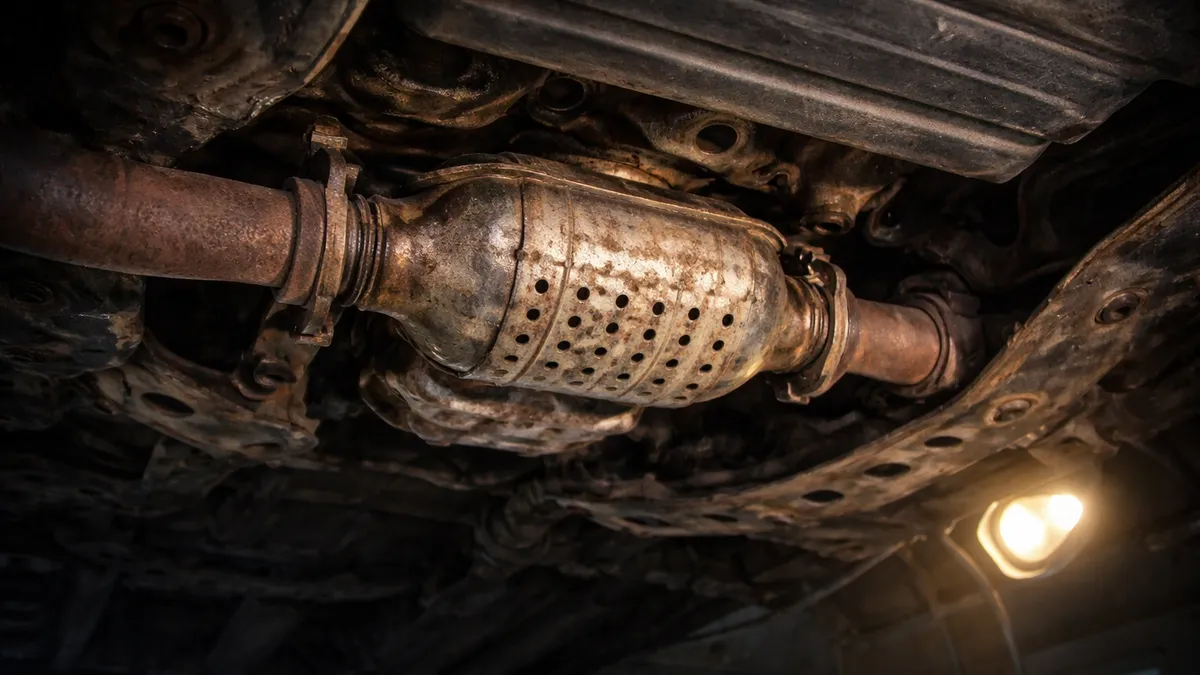
5 Common Reasons Cars Fail CT Emissions (and How to Fix Them)
Most emissions failures in Connecticut come down to these five problems. Here's what causes them, what they cost to fix, and how to prevent them.
Ready to Get Your Vehicle Fixed?
Schedule your appointment today. Free estimates on all repairs -- we'll explain what needs to be done before we do any work.