CT_DRIVING
CT Emissions Test Coming Up? Here's What to Know
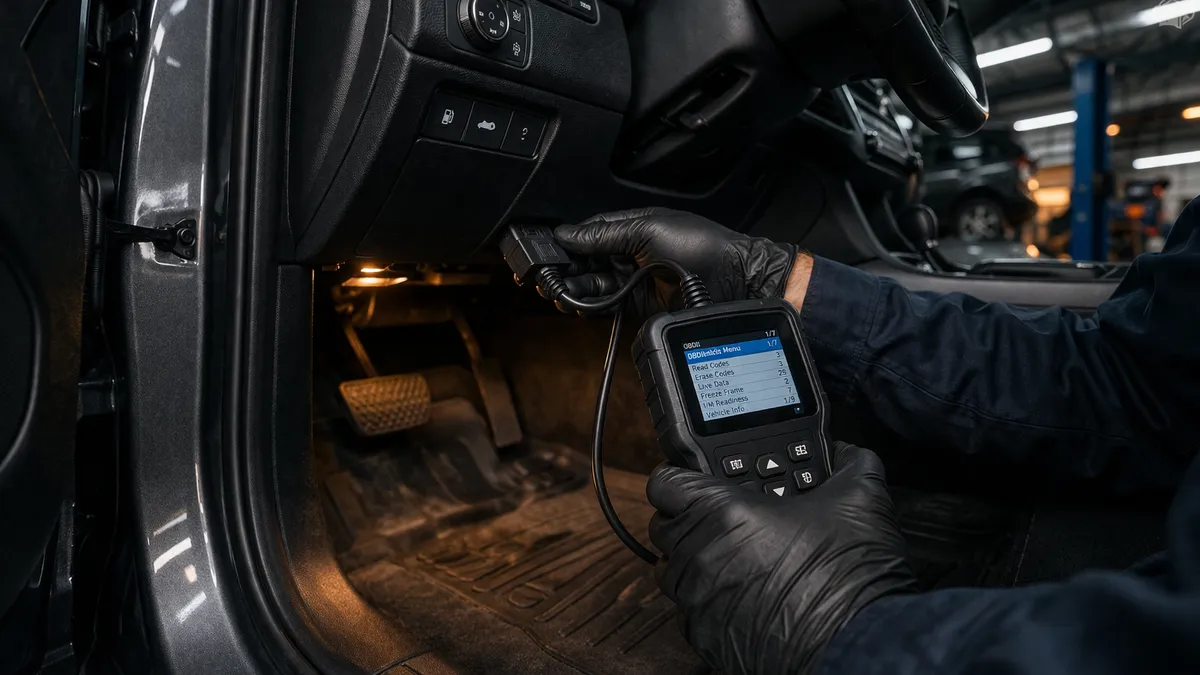
If you own a car in Connecticut, emissions testing is part of life. Every two years, most vehicles need to pass a state-mandated emissions test to keep their registration valid. It's straightforward when your vehicle is in good shape, but it can be stressful if you're not sure what to expect -- especially if your check engine light just came on.
At P&C Repair, we're a certified CT emissions testing station right here in Thomaston. We also repair vehicles that fail. Here's everything you need to know so you're not caught off guard. (For the full overview of the program, exemptions, fees, and what to do if you fail, see our complete CT emissions testing guide.)
What Is the CT Emissions Test?
Connecticut's emissions testing program is designed to reduce air pollution by making sure vehicles meet minimum exhaust standards. The test checks your vehicle's onboard diagnostic (OBD-II) system to verify that your emissions control systems are working properly.
The test does not measure your actual exhaust output with a tailpipe probe -- that method was phased out years ago. Instead, the technician plugs a scan tool into your OBD-II port (located under the dashboard) and reads data from your vehicle's computer. The computer monitors your catalytic converter efficiency, oxygen sensors, evaporative emissions system, and other emissions-related components in real time as you drive.
How Often Do You Need an Emissions Test?
Connecticut requires emissions testing every two years. Your test due date is tied to your vehicle registration, and the DMV sends a reminder notice. You have a window of time to complete the test -- typically you can test up to six months before your due date without affecting your next test cycle.
Important deadlines to know:
- If you don't get tested within the grace period, the DMV can refuse to renew your registration
- There's a $20 late fee if you miss your deadline by more than 30 days
- You cannot register a vehicle transferred from out of state without a passing emissions test (unless exempt)
Who Is Exempt from CT Emissions Testing?
Not every vehicle needs to be tested. Connecticut exempts the following:
- New vehicles -- Vehicles that are less than 4 model years old are exempt. As of this year, that means model years 2023 and newer don't need testing.
- Older vehicles -- Vehicles 25 model years old or older are exempt. As of this year, that's model year 2001 and older.
- Electric vehicles -- Fully electric vehicles produce no emissions, so they're exempt. Hybrids are not exempt -- they still have a gas engine.
- Motorcycles -- All motorcycles are exempt in Connecticut.
- Heavy vehicles -- Vehicles with a GVWR over 10,000 lbs are exempt.
- Diesel vehicles -- Most diesel passenger vehicles are exempt from the standard OBD-II test, but commercial diesel trucks have separate requirements.
Not sure if your vehicle is exempt? We have an emissions eligibility checker on our website, or just give us a call and we'll look it up for you.
What Causes an Emissions Test Failure?
The most common reasons vehicles fail Connecticut emissions testing:
1. Check Engine Light Is On
This is the number one reason for failure, and it's an automatic fail. If your check engine light (also called the malfunction indicator lamp or MIL) is illuminated, your vehicle will not pass -- period. It doesn't matter what's causing the light. The light itself means the OBD-II system has detected a problem with an emissions-related component.
2. Readiness Monitors Not Set
Your vehicle's computer runs self-diagnostic tests called "readiness monitors" as you drive. These monitors check systems like the catalytic converter, oxygen sensors, and evaporative emissions. If too many monitors show "not ready," the test is incomplete and your vehicle fails.
This commonly happens when:
- The battery was recently disconnected or replaced
- The check engine light was recently cleared with a scan tool
- A repair was just completed and the vehicle hasn't been driven enough to complete its self-tests
The fix is usually simple: drive the vehicle for 50-100 miles under varied conditions (highway, city, idle) to let the monitors complete. We can check your monitor status before you go for the official test.
3. Failing Catalytic Converter
The catalytic converter reduces harmful exhaust gases. When it starts to fail, it triggers a check engine light with a code like P0420 (catalyst system efficiency below threshold). This is one of the more expensive repairs, but it's also one of the most common emissions failures we see -- especially on vehicles with 100,000+ miles.
4. Bad Oxygen Sensors
Oxygen sensors measure the exhaust gas composition and help your engine computer adjust the fuel mixture. Failed O2 sensors trigger check engine codes and cause the vehicle to run too rich or too lean, increasing emissions.
5. EVAP System Leaks
The evaporative emissions system captures fuel vapors from the gas tank. A loose gas cap, cracked hose, or failed purge valve can cause EVAP system codes. Sometimes just tightening or replacing the gas cap fixes the problem.
6. Exhaust Leaks
Rust damage is extremely common in Connecticut. Road salt corrodes exhaust pipes, flanges, and flex joints. An exhaust leak before the oxygen sensor can throw off readings and trigger codes.
How to Prepare for Your Emissions Test
Here's what you can do before bringing your vehicle in for testing:
- Check your dashboard. If the check engine light is on, get it diagnosed and repaired before going for the emissions test. There's no point paying the $20 test fee to get an automatic fail.
- Make sure your gas cap clicks. A loose or worn gas cap can trigger an EVAP code. Replace it if it doesn't seal properly -- gas caps are inexpensive.
- Drive your vehicle. If you recently had a repair, battery replacement, or code clearing, drive at least 50-100 miles under mixed conditions before testing. This lets the readiness monitors complete.
- Check your tire pressure. Low tires don't affect the OBD-II test directly, but keeping your vehicle in generally good shape helps everything run more efficiently.
- Don't clear codes right before the test. Some people think clearing the check engine light with a cheap scan tool will help them pass. It won't. Clearing codes resets the readiness monitors, which means the test will show "not ready" and you'll fail anyway.
What Happens If You Fail
If your vehicle fails the emissions test, don't panic. Here's how it works:
- You receive a Vehicle Inspection Report that lists the reason for failure
- You have 60 days to get repairs done and return for a free retest
- The retest must be done at any certified emissions station (it doesn't have to be the same one)
Because P&C Repair is both a testing station and a full-service repair shop, we can test, diagnose, repair, and retest your vehicle all in one place. That saves you the hassle of shuttling between a test-only station and a separate repair shop.
The Cost of Emissions Testing in CT
The state-mandated emissions test fee is $20. This is the same price at every certified station in Connecticut -- it's set by the state, not the shop. Retests within 60 days of a failure are free.
If your vehicle needs repairs to pass, that's a separate cost. The price depends entirely on what's wrong. A gas cap replacement might cost $15. A catalytic converter replacement could run $800-$2,000 depending on the vehicle. We always provide a written estimate before doing any repair work.
Get Tested at P&C Repair in Thomaston
We're a certified Connecticut emissions testing station located at 64 N Main St in Thomaston. The test takes about 15 minutes, and we're conveniently located for drivers coming from Waterbury, Plymouth, Terryville, Harwinton, and the surrounding Litchfield County area.
Our hours for emissions testing are Monday through Friday 8AM to 5PM, and Saturday 8AM to 1PM. No appointment needed for the test itself, but we recommend calling ahead during busy periods.
Questions? Call us at (860) 601-0271 or stop by. We're happy to check your vehicle's readiness monitors before you commit to the official test.
Need Help With This?
If something in this article sounds like what your vehicle is going through, bring it in. We'll diagnose the issue and give you a straight answer.
Keep Reading
More from The Garage
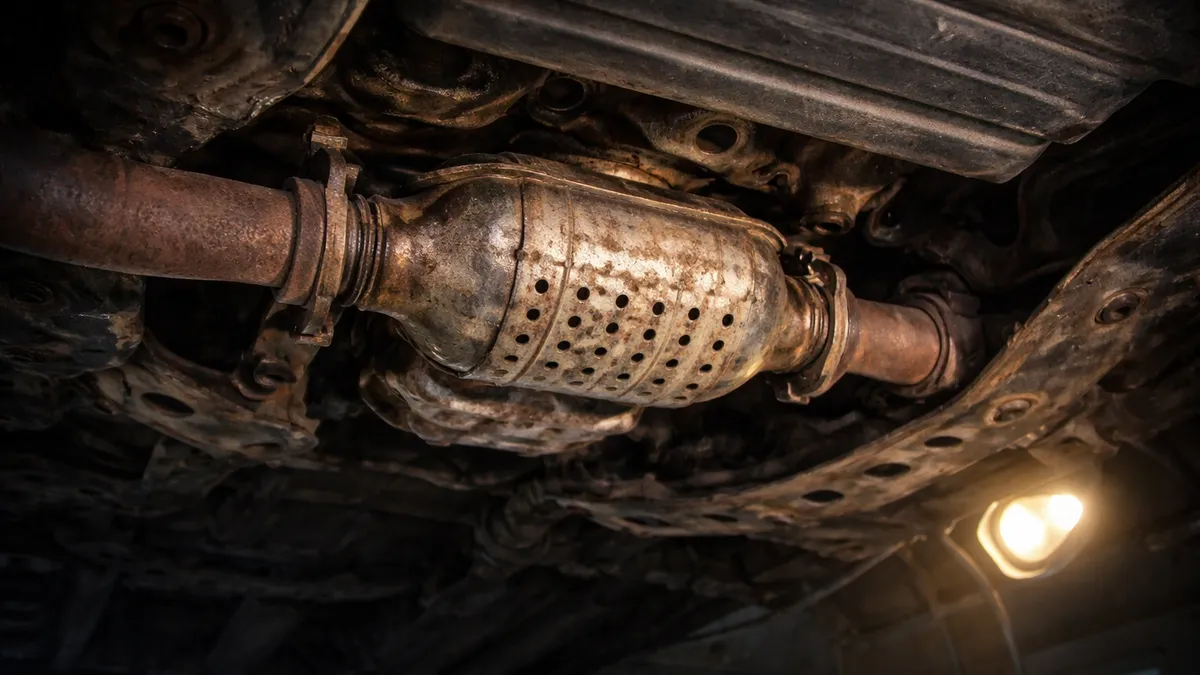
5 Common Reasons Cars Fail CT Emissions (and How to Fix Them)
Most emissions failures in Connecticut come down to these five problems. Here's what causes them, what they cost to fix, and how to prevent them.
Car Failed CT Emissions? Here's Exactly What to Do Next
Your car failed the Connecticut emissions test. Don't panic -- here's your step-by-step guide to repairs, retesting, waivers, and deadlines.
Is Your Car Exempt from CT Emissions Testing? Here's the Full List
Not every vehicle in Connecticut needs an emissions test. Here's the complete list of exemptions -- by age, fuel type, weight, and special circumstances.
Ready to Get Your Vehicle Fixed?
Schedule your appointment today. Free estimates on all repairs -- we'll explain what needs to be done before we do any work.