CT_DRIVING
Car Failed CT Emissions? Here's Exactly What to Do Next
You went in for your Connecticut emissions test, and the result came back: fail. It happens more often than you'd think, and it's not the end of the world. But you do need to handle it within a specific timeframe, and there are rules about retesting that most people don't know about until it's too late.
At P&C Repair in Thomaston, we're a certified CT emissions testing station and a full-service repair shop. We test, diagnose, repair, and retest -- all under one roof. Here's the complete playbook for what to do after a failed emissions test. (For background on how the test works in the first place, see our CT emissions testing guide.)
Step 1: Read Your Vehicle Inspection Report
When your vehicle fails, you'll receive a Vehicle Inspection Report (VIR). This document lists exactly why your vehicle failed. It's not just a pass/fail stamp -- it tells you which diagnostic trouble codes (DTCs) were stored, which readiness monitors were incomplete, and whether the check engine light was on.
Bring this report to your mechanic. It's the starting point for diagnosis. Without it, we're working blind. With it, we can often narrow down the problem before we even hook up the scan tool.
Step 2: Know Your Deadlines
Connecticut gives you 60 days from the date of failure to get your vehicle repaired and retested. Within that 60-day window:
- The retest is free at any certified emissions station in the state -- it doesn't have to be the same station where you originally tested
- You can drive your vehicle normally while waiting for repairs
- If your registration renewal falls within this window, the DMV generally allows a grace period, but don't push it
After 60 days, the free retest expires. You'll have to pay the $20 test fee again, and if your registration has lapsed, you could face additional DMV penalties.
Step 3: Get a Proper Diagnosis
This is where people make expensive mistakes. A failed emissions test tells you something is wrong with an emissions-related system. It does not tell you which specific part failed. A trouble code like P0420 means "catalyst system efficiency below threshold" -- but the root cause could be the catalytic converter, an oxygen sensor, an exhaust leak, or even an engine misfire sending unburned fuel into the cat.
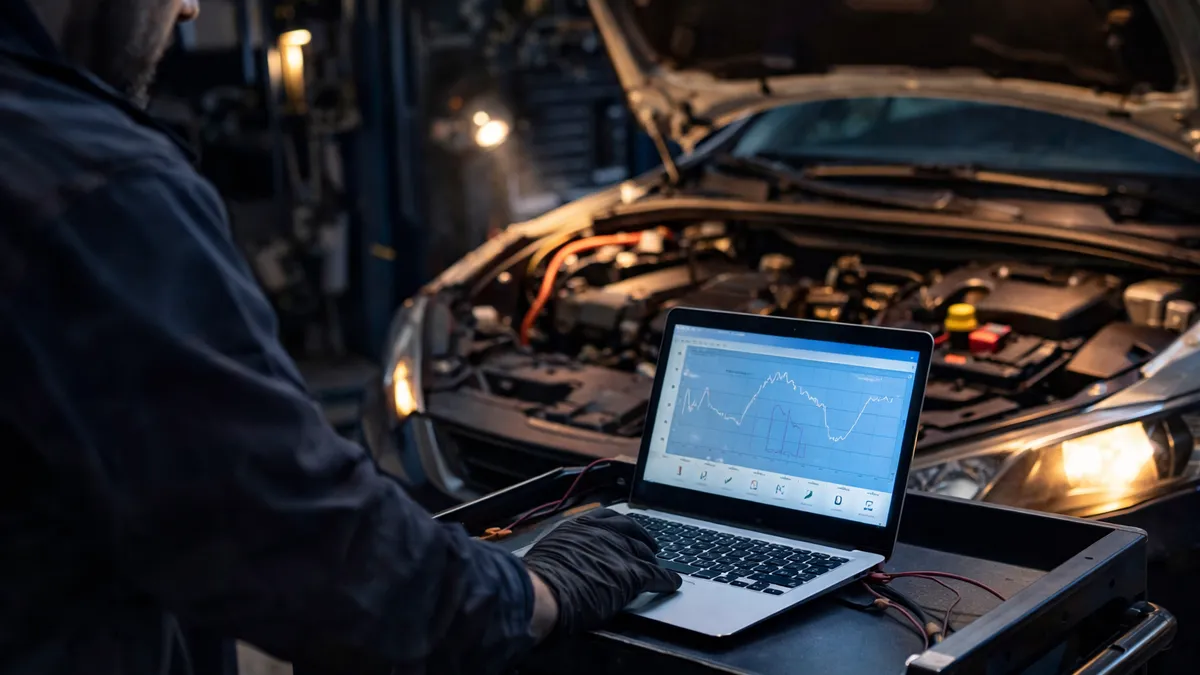
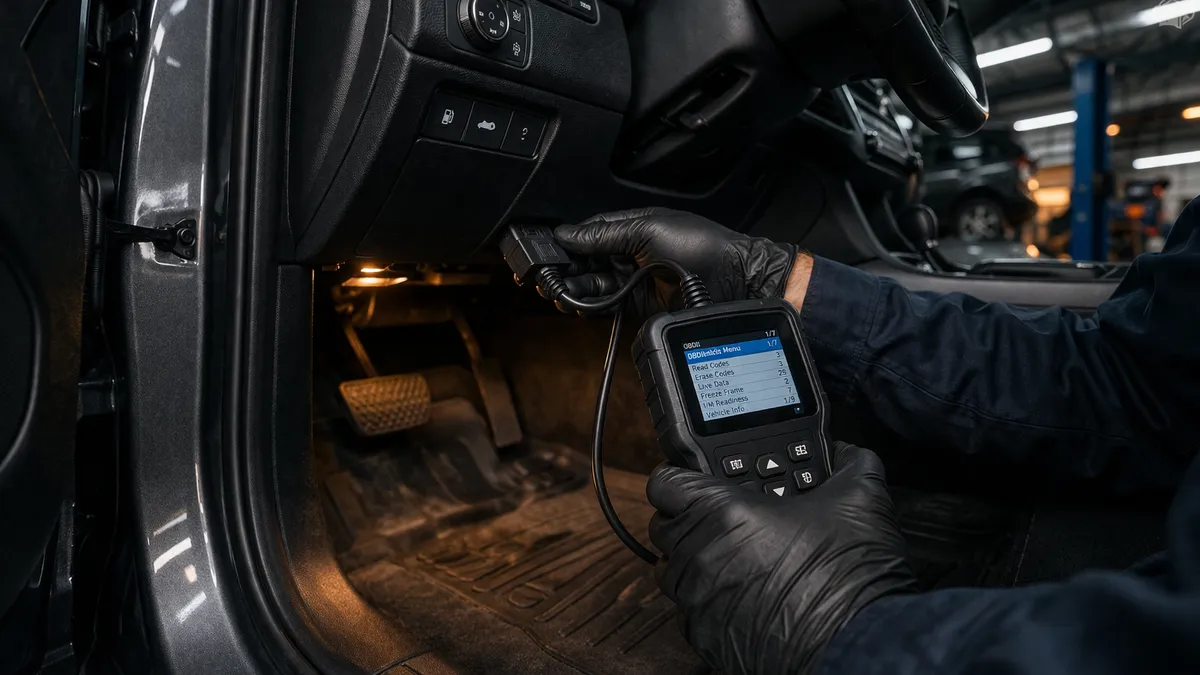
Don't just throw parts at it. Get a real diagnostic evaluation from a shop that understands emissions systems. At P&C Repair, we use professional scan tools that read live data, freeze frame data, and monitor performance in real time. That's how you find the actual problem instead of guessing.
Step 4: Make the Repairs
Once we've identified the root cause, we'll give you a written estimate before starting any work. Common emissions repairs include:
- Oxygen sensor replacement: $150-$400 depending on location and vehicle
- Catalytic converter replacement: $800-$2,000+ depending on the vehicle
- EVAP system repairs: $50-$400 depending on whether it's a hose, valve, or canister
- Spark plug and ignition coil replacement: $100-$500 depending on engine type
- EGR valve cleaning or replacement: $200-$500
- Exhaust leak repair: $100-$400 -- very common in Connecticut due to road salt corrosion
Keep all receipts. They matter if you end up needing a waiver (more on that below).
Step 5: Drive Before Retesting
This is the step most people skip, and it causes unnecessary retest failures. After emissions-related repairs are completed, your vehicle's computer needs to run its self-diagnostic tests (called readiness monitors) to confirm the repairs actually fixed the problem.
These monitors only complete under specific driving conditions -- a mix of highway driving, city driving, and idle time. Typically, you need to drive 50 to 100 miles under varied conditions before all monitors are set.
If you go straight from the repair shop to the emissions station without driving enough, the monitors will show "not ready" and you'll fail again -- even though the repair was successful. At P&C Repair, we check your monitor status before sending you for the retest so you don't waste the trip.
Step 6: Get Retested
Once your monitors are set and your check engine light is off, you're ready for the retest. Remember:
- Free within 60 days of original failure
- Any certified CT emissions station -- not just the original one
- Bring your original Vehicle Inspection Report
If you had your repairs done at P&C Repair, we'll retest you right here. No extra trip needed.
What If You Still Fail After Repairs?
Sometimes a vehicle needs multiple rounds of repair to pass. If you've spent a significant amount on qualifying emissions repairs and the vehicle still won't pass, Connecticut has a waiver program.
The current waiver threshold is $1,137 in qualifying emissions-related repairs. If you've spent at least that amount and the vehicle still fails, you can apply for a two-year waiver that exempts your vehicle from emissions testing for the next cycle.
Important details about the waiver:
- Only emissions-related repairs count toward the threshold -- general maintenance like oil changes, brakes, or tires does not qualify
- Repairs must be performed by a licensed repair facility
- You need to provide itemized receipts documenting the repairs
- The waiver is applied at the emissions testing station -- they submit the paperwork
- A waiver lasts two years, after which your vehicle must be retested
We can help you understand whether your repairs qualify and guide you through the waiver process if needed.
Common Mistakes to Avoid
- Don't clear codes and retest immediately. Clearing the check engine light with a scan tool resets all readiness monitors. The emissions test will show "not ready" and you'll fail for incomplete monitors. This is not a shortcut -- it's a guaranteed second failure.
- Don't ignore the 60-day window. After 60 days, your free retest expires and the clock keeps ticking toward registration issues.
- Don't go to a different shop for diagnosis if your test station also does repairs. When the same shop tests, diagnoses, and repairs, nothing gets lost in translation.
- Don't skip the drive cycle. Repairs mean nothing if the monitors aren't set when you retest.
One-Stop Emissions Testing and Repair in Thomaston
P&C Repair is one of the few shops in the area that's both a certified CT emissions testing station and a full-service repair facility. If your vehicle fails, we diagnose the problem, repair it, verify your readiness monitors, and retest -- all at 64 N Main St in Thomaston.
We serve drivers from Waterbury, Watertown, Plymouth, Terryville, Bristol, Harwinton, Torrington, and the surrounding Litchfield County area. Call us at (860) 601-0271 or stop by. We'll get you back on the road and legal.
Need Help With This?
If something in this article sounds like what your vehicle is going through, bring it in. We'll diagnose the issue and give you a straight answer.
Keep Reading
More from The Garage
CT Emissions Test Coming Up? Here's What to Know
Everything Connecticut drivers need to know about emissions testing -- what's checked, who's exempt, how to prepare, and what to do if your vehicle fails.
Check Engine Light On? Here's What It Could Mean
Your check engine light can mean anything from a loose gas cap to a serious engine problem. Here's how to tell the difference and what to do next.
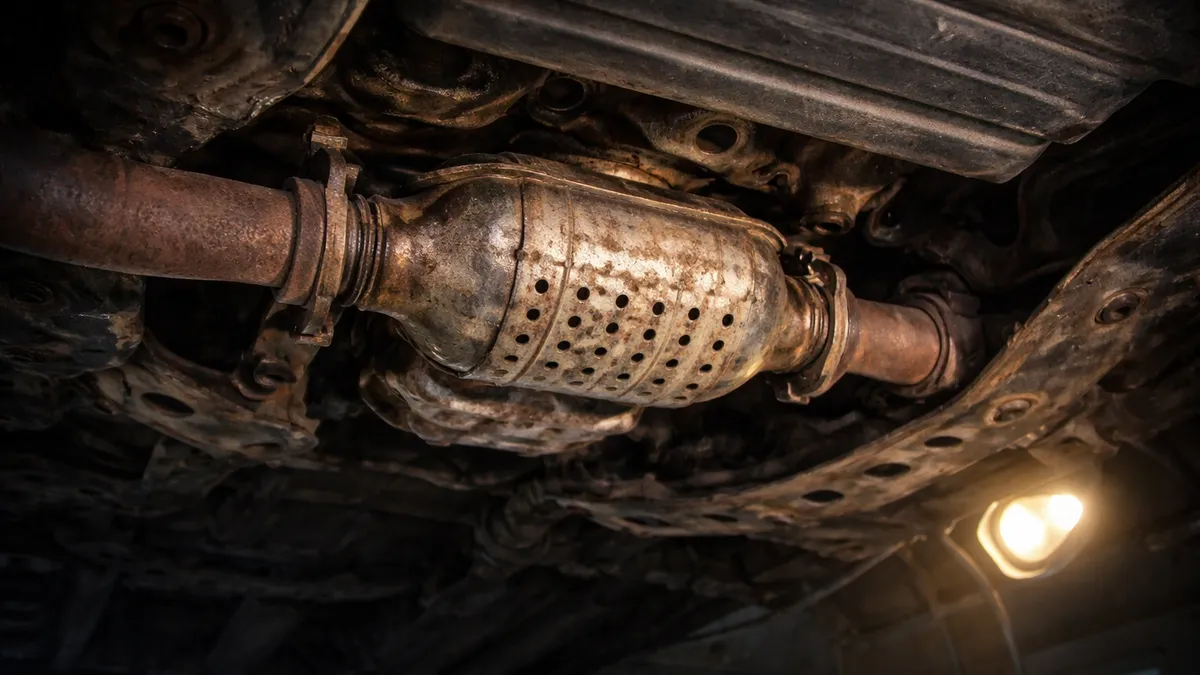
5 Common Reasons Cars Fail CT Emissions (and How to Fix Them)
Most emissions failures in Connecticut come down to these five problems. Here's what causes them, what they cost to fix, and how to prevent them.
Ready to Get Your Vehicle Fixed?
Schedule your appointment today. Free estimates on all repairs -- we'll explain what needs to be done before we do any work.