CT_DRIVING
Is Your Car Exempt from CT Emissions Testing? Here's the Full List
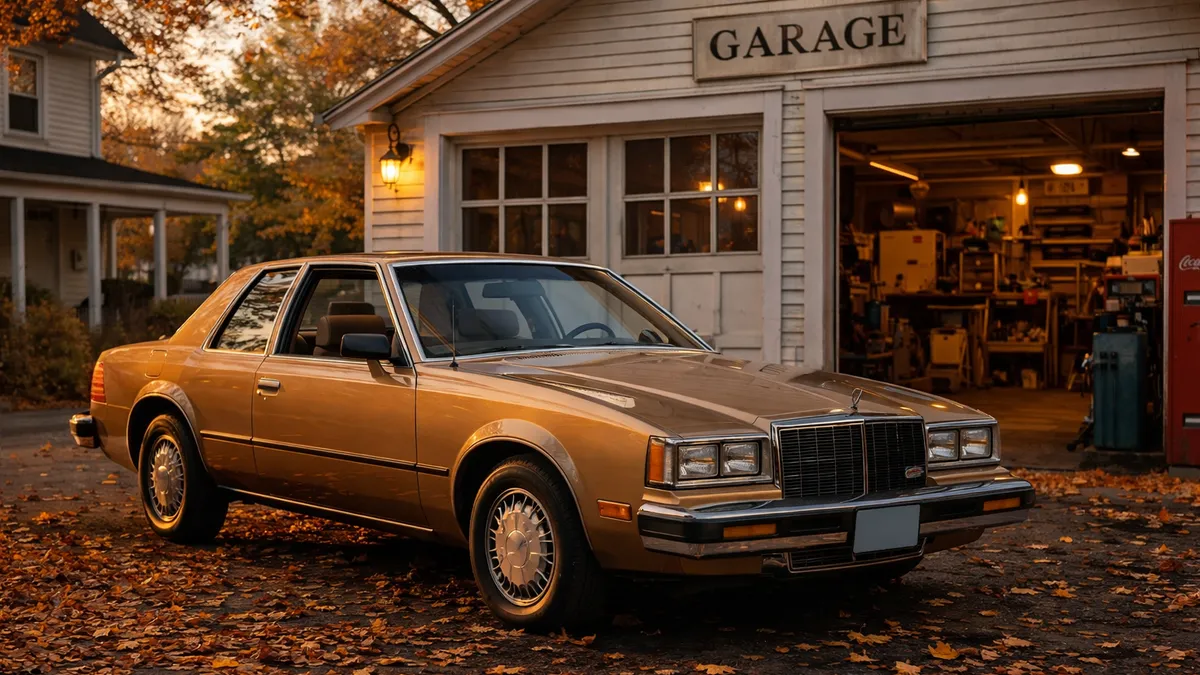
Every two years, most Connecticut vehicle owners get a notice in the mail: time for your emissions test. But not every vehicle needs one. The state has a list of exemptions based on vehicle age, fuel type, weight, and other factors.
Before you schedule your test or start worrying about whether your vehicle will pass, check if you're exempt in the first place. Here's the complete breakdown. (If you're not exempt and you want to know the rest of the process -- fees, what's checked, what to do if you fail -- start with our CT emissions testing guide.)
Exempt by Vehicle Age
New Vehicles (Less Than 4 Model Years Old)
Vehicles that are less than four model years old are exempt from emissions testing. The exemption is based on model year, not the year you bought the car.
As of this year, that means:
- Model year 2023, 2024, 2025, and 2026 vehicles are exempt
- Model year 2022 vehicles are now subject to testing
This exemption exists because new vehicles have brand-new emissions equipment that's extremely unlikely to fail. Once your vehicle ages past the four-year window, it enters the regular two-year testing cycle.
Older Vehicles (25 Model Years or Older)
Vehicles that are 25 model years old or older are exempt from the OBD-II emissions test. As of this year, that's model year 2001 or earlier. This is a rolling cutoff that advances by one year every January, and it covers classic cars, antique vehicles, and older daily drivers.
The reasoning is that these vehicles either predate OBD-II systems entirely (pre-1996) or have OBD-II systems that are limited compared to newer vehicles. Connecticut previously tested older vehicles with tailpipe probes, but that program has been phased out.
Important note: just because your older vehicle is exempt from emissions testing doesn't mean it's exempt from other registration requirements. You still need valid registration, insurance, and a vehicle that meets basic safety standards.
Exempt by Fuel Type
Fully Electric Vehicles
Battery electric vehicles (BEVs) like the Tesla Model 3, Chevy Bolt, Nissan Leaf, Ford Mustang Mach-E, and similar all-electric vehicles are exempt. They produce zero tailpipe emissions, so there's nothing to test.
Hybrid Vehicles -- NOT Exempt
This trips people up. Hybrid vehicles are not exempt. Whether it's a standard hybrid (like a Toyota Prius) or a plug-in hybrid (like a Toyota RAV4 Prime or Chevy Volt), if it has a gasoline engine, it needs to be tested. The gas engine still produces emissions, and those emissions systems still need to be monitored.
Diesel Vehicles
Most diesel passenger vehicles are exempt from the standard OBD-II emissions test. This includes diesel cars and light-duty diesel trucks. However, commercial diesel vehicles over certain weight thresholds may be subject to separate state or federal emissions requirements, particularly for opacity (visible smoke) testing.
If you drive a diesel truck for commercial purposes, check with the DMV or a certified testing station about your specific requirements.
Exempt by Vehicle Type and Weight
Motorcycles
All motorcycles registered in Connecticut are exempt from emissions testing. This applies to all engine sizes and model years.
Heavy Vehicles (Over 10,000 lbs GVWR)
Vehicles with a Gross Vehicle Weight Rating (GVWR) over 10,000 pounds are exempt from the standard emissions test. This covers most medium and heavy-duty trucks, large commercial vehicles, and motorhomes above that weight threshold.
Your vehicle's GVWR is listed on the certification label (usually on the driver's door jamb). It's the maximum weight the vehicle is rated to carry including passengers and cargo -- not the vehicle's actual curb weight. A pickup truck with a 10,500 lb GVWR is exempt even if it only weighs 6,500 lbs empty.
Other Special Exemptions
Out-of-State Transfers
If you're registering a vehicle transferred from out of state, you generally need to get an emissions test unless the vehicle falls into one of the exempt categories above. This applies even if the vehicle recently passed emissions in another state -- Connecticut requires its own test.
Vehicles with Active Waiver
If your vehicle has an active emissions waiver, it's temporarily exempt for the duration of the waiver period (two years). After the waiver expires, regular testing resumes.
Permanently Registered Vehicles
Certain vehicles with permanent registration (farm vehicles, government vehicles, some antique registrations) may have different emissions testing requirements. Check with the DMV for your specific situation.
How to Check If Your Vehicle Is Exempt
The easiest ways to check:
- Check your registration renewal notice. The DMV notice will indicate whether an emissions test is required for your renewal.
- Look up your vehicle's model year. As of this year, if your model year is 2001 or earlier, or 2023 or newer, you're exempt.
- Check your door jamb sticker. If your GVWR is over 10,000 lbs, you're exempt.
- Call us. If you're not sure, we can look it up in about 30 seconds. Call P&C Repair at (860) 601-0271.
Common Questions About Exemptions
"My car is exempt -- does that mean I don't have to worry about emissions?"
From a legal standpoint, yes -- you won't have registration issues related to emissions. But if your check engine light is on, that still means something is wrong with your vehicle. Emissions problems often indicate issues that affect fuel economy, performance, and long-term engine health. Being exempt from the test doesn't mean the underlying problem doesn't matter.
"I have an old car that's exempt -- can I remove the catalytic converter?"
No. Federal law prohibits removing or tampering with emissions equipment on any vehicle, regardless of state testing requirements. Even if your vehicle is exempt from Connecticut's emissions test, removing the catalytic converter is illegal under the Clean Air Act and can result in significant fines.
"My hybrid doesn't use much gas -- why does it need testing?"
Because when it does use gas, it produces emissions. Hybrids still have complete emissions control systems -- catalytic converters, oxygen sensors, EVAP systems -- that can fail just like any other gasoline vehicle. In fact, because hybrid engines cycle on and off frequently, the catalytic converter experiences more thermal cycling, which can actually accelerate certain types of wear.
Emissions Testing at P&C Repair
We're a certified Connecticut emissions testing station in Thomaston. The test takes about 15 minutes and costs $20 (set by the state). If you're not sure whether your vehicle is exempt, just give us a call or stop by -- we'll check for you at no charge.
If your vehicle does need testing and you want peace of mind, we can run a pre-test scan to check for codes and verify your readiness monitors before you commit to the official test. It's the smart way to avoid paying $20 for a guaranteed fail.
P&C Repair -- 64 N Main St, Thomaston, CT 06787. Call (860) 601-0271. Monday-Friday 8AM-5PM, Saturday 8AM-1PM. Serving Waterbury, Watertown, Plymouth, Bristol, Harwinton, Torrington, and surrounding areas.
Need Help With This?
If something in this article sounds like what your vehicle is going through, bring it in. We'll diagnose the issue and give you a straight answer.
Keep Reading
More from The Garage
CT Emissions Test Coming Up? Here's What to Know
Everything Connecticut drivers need to know about emissions testing -- what's checked, who's exempt, how to prepare, and what to do if your vehicle fails.
CT Emissions Waiver: How It Works and When You Qualify
Spent a fortune on emissions repairs and your car still won't pass? Connecticut's emissions waiver program might save you. Here's exactly how it works.
Car Failed CT Emissions? Here's Exactly What to Do Next
Your car failed the Connecticut emissions test. Don't panic -- here's your step-by-step guide to repairs, retesting, waivers, and deadlines.
Ready to Get Your Vehicle Fixed?
Schedule your appointment today. Free estimates on all repairs -- we'll explain what needs to be done before we do any work.