REPAIR_GUIDES
ADAS Calibration After Windshield Replacement in CT: What It Is, Who Needs It, Who Pays
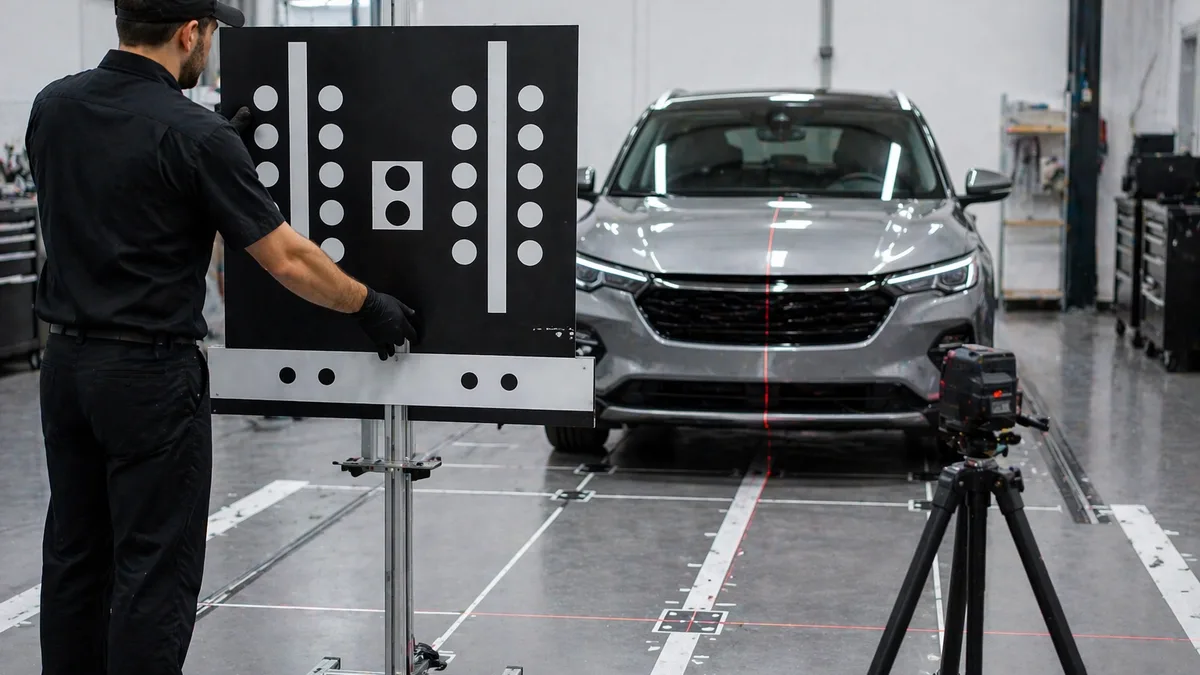
Ten years ago, a windshield replacement meant pulling off the old glass, setting the new one with urethane, and sending you on your way. That's no longer true for most newer vehicles. If your car has forward-facing cameras mounted to the windshield -- and most vehicles built after 2017 do -- replacing the glass means recalibrating the safety systems that rely on those cameras.
This is one of the most common things drivers in Connecticut don't know about. A rock hits the windshield on I-84 or Route 8, the glass company replaces it, and the vehicle gets handed back with a dashboard warning light -- or worse, no warning light but lane-keep assist that no longer keeps the lane. Here's what ADAS calibration actually is, when you need it, what it costs, and how insurance handles the bill.
What ADAS Actually Is
ADAS stands for Advanced Driver Assistance Systems. It's a broad category covering the safety and convenience features in modern vehicles that use cameras, radar, and sensors to help the driver. On most vehicles, the key components include:
- Lane Keep Assist / Lane Departure Warning -- nudges the steering or warns when you drift across a lane line.
- Adaptive Cruise Control -- maintains a set distance from the vehicle ahead.
- Forward Collision Warning / Automatic Emergency Braking -- alerts or applies the brakes when a crash looks imminent.
- Traffic Sign Recognition -- reads speed limit and other signs.
- Blind Spot Monitoring -- uses rear-facing sensors to detect vehicles in your blind spot.
Most of these systems depend on a forward-facing camera mounted behind the windshield, usually near the rearview mirror. When the windshield is removed and replaced, that camera's position shifts -- even by a fraction of a degree. Over 100 feet down the road, a 1-degree shift translates to nearly 2 feet of misalignment. The system is no longer aimed where it thinks it's aimed.
Which Vehicles Need Calibration After Windshield Replacement
The rule of thumb: if your vehicle has any camera or sensor attached to the windshield glass itself, and the glass gets replaced, calibration is required. That covers:
- Most 2017 and newer vehicles
- Many 2014-2016 vehicles with optional safety packages
- Nearly all luxury vehicles back to ~2012
- Any vehicle with lane-keep, adaptive cruise, or automatic emergency braking
The exceptions: basic work trucks, older economy cars, and vehicles without forward-facing driver assistance features. If you're not sure about your specific vehicle, the glass company or a shop like ours can check by model and VIN.
Static vs Dynamic Calibration
There are two calibration types, and many vehicles require both:
Static Calibration
Done indoors, with the vehicle parked on a level surface in a controlled environment. A large calibration target -- a specific pattern of bars, circles, or a full target board -- is placed a precise distance in front of the vehicle. A scan tool walks the camera through a calibration routine that re-references the camera to the target. This requires:
- Level floor
- Adequate lighting
- No reflective surfaces in the background
- The correct OEM-specified target for that vehicle
- A professional scan tool that supports the procedure
Most general repair shops don't do static calibration in-house -- it requires dedicated space and equipment. Specialty calibration centers and dealerships typically handle it.
Dynamic Calibration
Done by driving the vehicle at specific speeds for a specific distance on well-marked roads while a scan tool runs the procedure. The camera uses lane markings and passing vehicles to re-reference itself. Requirements:
- Clearly marked lanes (often limited during Connecticut winters)
- Steady speed -- often 20-50 mph depending on vehicle
- Good weather, dry pavement
- Sometimes a specific duration of driving
Some vehicles require only dynamic calibration. Some require only static. Many require both in sequence. The owner's manual or OEM service procedure specifies which.
What It Costs
Calibration pricing varies by vehicle and procedure type:
- Dynamic-only calibration: $100-$300
- Static-only calibration: $150-$400
- Static + dynamic (both required): $300-$700
- Luxury brands or multi-camera systems: $500-$1,000+
Some glass companies include calibration in their windshield replacement quote. Others charge separately. Always confirm upfront: is ADAS calibration included? If not, what will it cost? Who performs it? A windshield quote that doesn't mention calibration on a 2020 vehicle is an incomplete quote.
Insurance: How It Usually Works
Comprehensive coverage (which handles glass damage) almost always covers required ADAS calibration. The calibration is considered part of the repair -- the vehicle isn't "fixed" just because the glass is installed; it's fixed when the safety systems work again.
What to do:
- When you file the glass claim, mention your vehicle has ADAS features requiring calibration.
- Get the calibration added to the estimate before the work starts.
- Confirm with the insurer that calibration is covered under the same claim.
- Get written documentation of the calibration procedure once completed -- scan tool report, calibration certificate, or invoice detail.
If a glass company tries to skip calibration to save money on their end, push back. The system may still work mechanically, but misaligned. That's a safety issue, not a cosmetic one.
Warning Signs You Were Skipped
If your windshield was replaced recently and any of these are happening, the calibration may have been missed or done incorrectly:
- A dashboard warning light related to lane-keep, collision warning, or cruise control.
- Lane-keep assist that "pulls" one direction or corrects late.
- Adaptive cruise that brakes unexpectedly or fails to brake when it should.
- Automatic emergency braking that gives false warnings.
- Speed limit display showing wrong values consistently.
Bring it back to the installer and insist on proper calibration under the original claim. They should make it right.
What We Do at P&C Repair
Windshield replacement itself is typically done by auto-glass specialists, not general repair shops -- it's a specialized process with specific tools. What we handle at P&C is everything adjacent: verifying that safety systems are working after any collision or electrical work, reading fault codes related to ADAS, diagnosing issues when something is off, and referring to certified calibration facilities when needed. If your vehicle has a warning light after glass work, or if something feels off with lane-keep or adaptive cruise, bring it in. We'll scan the system, tell you what's going on, and make sure the right thing happens next.
P&C Repair -- 64 N Main St, Thomaston, CT. Call (860) 601-0271 with questions. We serve drivers throughout Litchfield County and the surrounding towns.
Need Help With This?
If something in this article sounds like what your vehicle is going through, bring it in. We'll diagnose the issue and give you a straight answer.
Keep Reading
More from The Garage
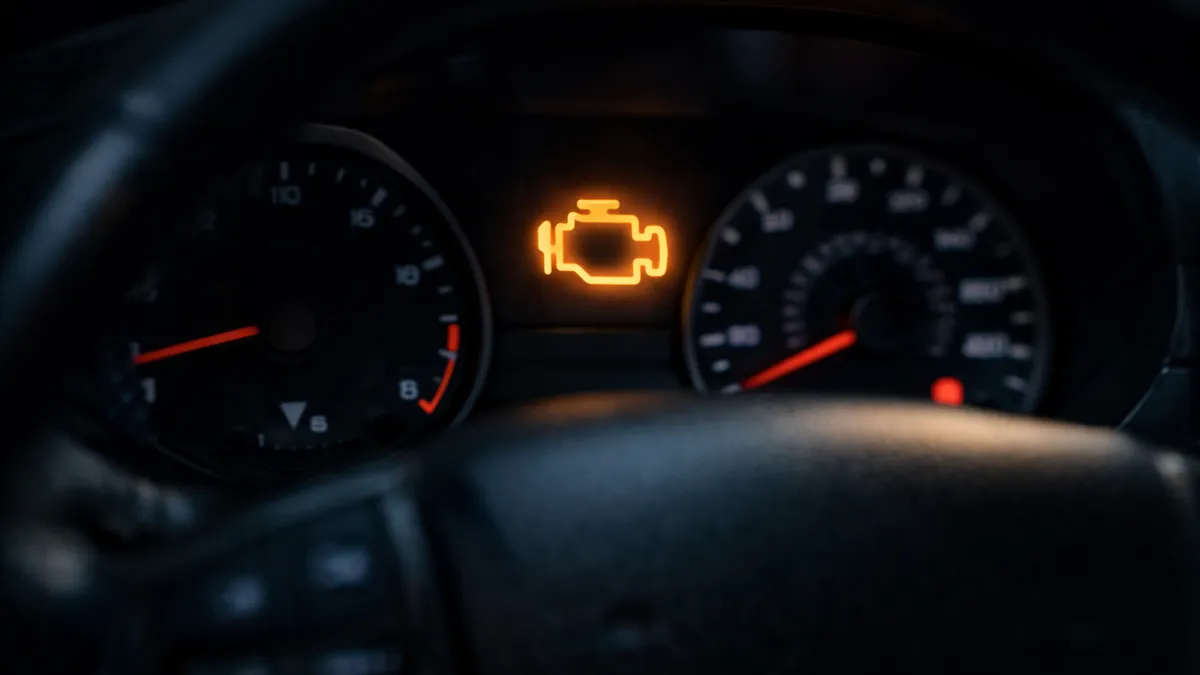
Check Engine Light On? Here's What It Could Mean
Your check engine light can mean anything from a loose gas cap to a serious engine problem. Here's how to tell the difference and what to do next.
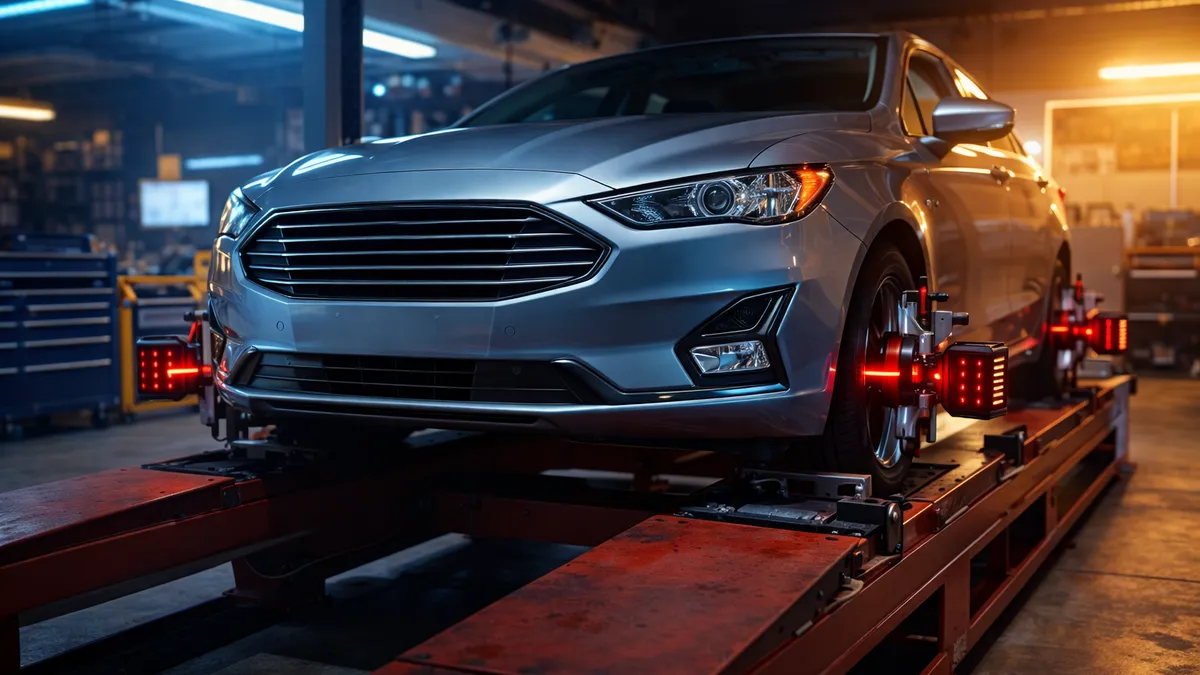
Car Pulling to One Side? Common Causes and Fixes
If your car drifts left or right or your steering wheel is off center, here's what's likely going on and when you need alignment, tire, or brake work.
Car Shaking While Driving? Here's What's Causing It
If your car is vibrating at highway speed or shaking when you brake, several common problems could be the cause. Here's how to narrow it down and what to fix.
Ready to Get Your Vehicle Fixed?
Schedule your appointment today. Free estimates on all repairs -- we'll explain what needs to be done before we do any work.