DIAGNOSTICS
Car Shaking While Driving? Here's What's Causing It

You're cruising down Route 8 and the steering wheel starts vibrating in your hands. Or maybe the whole car shakes when you hit 60 mph. Or the seat shudders every time you step on the brake pedal. Whatever the specific symptom, a car shaking while driving is telling you something is wrong -- and the details of when and how it shakes point directly to the cause.
At P&C Repair in Thomaston, we diagnose vibration complaints regularly. Here's a practical breakdown of what causes cars to shake and how to figure out what's going on with yours.
When Does the Shaking Happen? That's Your Biggest Clue
Vibrations aren't random. They follow patterns, and those patterns point to specific systems. The first question we always ask is: when exactly do you feel it?
- Shaking at highway speed (55-70 mph) -- Almost always tire or wheel related
- Shaking when braking -- Brake rotor issue
- Shaking at idle -- Engine or mount issue
- Shaking during acceleration -- Drivetrain or axle issue
- Shaking that comes and goes with road surface -- Suspension or tire issue
Let's walk through each one.
Car Vibrating at Highway Speed: Tires and Wheels
This is the single most common vibration complaint we see. You're driving along local roads just fine, but once you hit 55-65 mph on Route 8 or I-84, the steering wheel starts shaking. The vibration may smooth out slightly above 70 mph or it may get worse.
Unbalanced tires are the leading cause. Every tire has slight weight variations. When mounted on the wheel, small weights are added to compensate. If a wheel weight falls off -- which happens regularly on Connecticut's rough, pothole-ridden roads -- the tire becomes unbalanced and vibrates at speed.
Tire defects are the second most common cause. A tire with a shifted belt (internal structural damage) will vibrate no matter how well it's balanced. You might notice a bulge or uneven wear pattern on the tire surface. This is more common on older tires or tires that have hit a serious pothole.
Bent wheels can also cause vibration. Connecticut roads are brutal on wheels -- one good pothole on Route 6 or I-84 can bend an alloy wheel enough to cause a noticeable shake. A bent wheel can sometimes be repaired, but often needs replacement.
The fix: Start with a tire balance and inspection. If the tires are in good shape, balancing them solves the problem. If a tire has a belt separation or a wheel is bent, those components need replacement. A tire balance and alignment check is the logical first step.
Car Shaking When Braking: Warped or Worn Rotors
If the vibration only happens when you press the brake pedal -- especially at highway speeds -- you're dealing with a brake rotor issue. The steering wheel may pulse back and forth, or you might feel the shudder through the brake pedal itself.
What's happening: brake rotors are the metal discs that your brake pads clamp down on to stop the car. Over time, rotors develop thickness variations from heat and wear. When the rotor surface isn't perfectly uniform, the brake pad hits thick and thin spots as it rotates, creating a pulsation you feel through the steering wheel or pedal.
Connecticut driving accelerates this problem. Hilly terrain means more braking. Stop-and-go traffic on Route 8 through Waterbury puts constant thermal stress on rotors. Road salt and moisture cause surface corrosion that makes rotors wear unevenly.
At P&C Repair, we replace rotors rather than resurfacing them. Resurfacing removes material and leaves you with a thinner rotor that's more prone to warping again. New rotors paired with quality brake pads give you a lasting fix. See our brake repair page for more details on what we do.
Car Shaking at Idle: Engine and Motor Mounts
If your car vibrates noticeably while sitting at a red light or in a parking lot with the engine running, the problem is under the hood -- not in the wheels.
Worn motor mounts are a common culprit. Motor mounts are rubber-and-metal brackets that hold your engine to the frame. They absorb engine vibration so you don't feel it in the cabin. When the rubber deteriorates -- which happens faster in Connecticut's temperature extremes -- vibration transfers directly to the chassis. You might notice it gets worse when you put the car in drive or reverse.
Engine misfires also cause rough idle. If one cylinder isn't firing correctly due to a bad spark plug, ignition coil, or fuel injector, the engine runs unevenly and vibrates. This usually comes with a check engine light and may get worse over time.
Vacuum leaks can cause rough idle vibration too. A cracked vacuum hose or intake gasket leak lets unmetered air into the engine, throwing off the air-fuel mixture and causing the engine to run rough.
Car Shaking During Acceleration: Drivetrain Problems
If the vibration is tied to pressing the gas pedal and gets worse the harder you accelerate, the issue is likely in the drivetrain -- the components that transfer power from the engine to the wheels.
Worn CV joints (on front-wheel-drive vehicles) are a top cause. The CV (constant velocity) joint connects the transmission to the wheel and allows the axle to flex as the suspension moves. When the protective rubber boot cracks and grease leaks out, the joint wears and starts vibrating under load. You might also hear a clicking sound during turns.
Worn U-joints (on rear-wheel-drive vehicles) serve a similar function on the driveshaft. A failing U-joint vibrates during acceleration and may produce a clunking sound when shifting between drive and reverse.
Damaged axle shafts can also vibrate under acceleration. If you've had a collision or hit a severe pothole, the axle shaft can bend slightly -- enough to cause vibration at speed.
Suspension-Related Vibrations
Worn suspension components can amplify vibrations that would otherwise be minor. Worn ball joints, tie rod ends, and wheel bearings all allow play in the wheel assembly that can translate to vibration. These issues tend to get worse over time and may be accompanied by clunking sounds over bumps.
Connecticut's frost heaves and potholes are particularly hard on suspension components. If you live in Thomaston, Plymouth, Bristol, or anywhere in Litchfield County, your car's suspension takes a beating every spring when the frost comes out of the roads.
How We Diagnose Vibrations at P&C Repair
When you bring a vibrating car to our shop, we follow a systematic process:
- Road test -- We drive the vehicle to reproduce the vibration and note the speed, conditions, and severity
- Visual inspection -- We check tires for wear patterns, bulges, and damage. We inspect wheels for bends. We look at suspension and drivetrain components for visible wear
- Tire balance check -- We put the wheels on the balancer to see if they're within spec
- Brake inspection -- If the vibration is during braking, we measure rotor thickness and runout
- Computer diagnostics -- If there's a check engine light or misfire suspected, we scan for codes and live data
We don't guess, and we don't replace parts hoping something fixes it. We find the cause first and explain it to you before recommending any repairs.
Don't Ignore a Vibrating Car
A vibration might seem like a minor annoyance, but it's a symptom of a real problem. Unbalanced tires wear out faster and stress suspension components. Warped rotors compromise braking safety. Worn CV joints can fail completely, leaving you stranded. The longer you drive with a vibration, the more secondary damage it can cause.
If your car is shaking while driving, bring it to P&C Repair at 64 N Main St in Thomaston. We'll find the cause and give you honest options for fixing it. Call (860) 601-0271 or stop by Monday-Friday 8AM-5PM, Saturday 8AM-1PM.
Need Help With This?
If something in this article sounds like what your vehicle is going through, bring it in. We'll diagnose the issue and give you a straight answer.
Keep Reading
More from The Garage
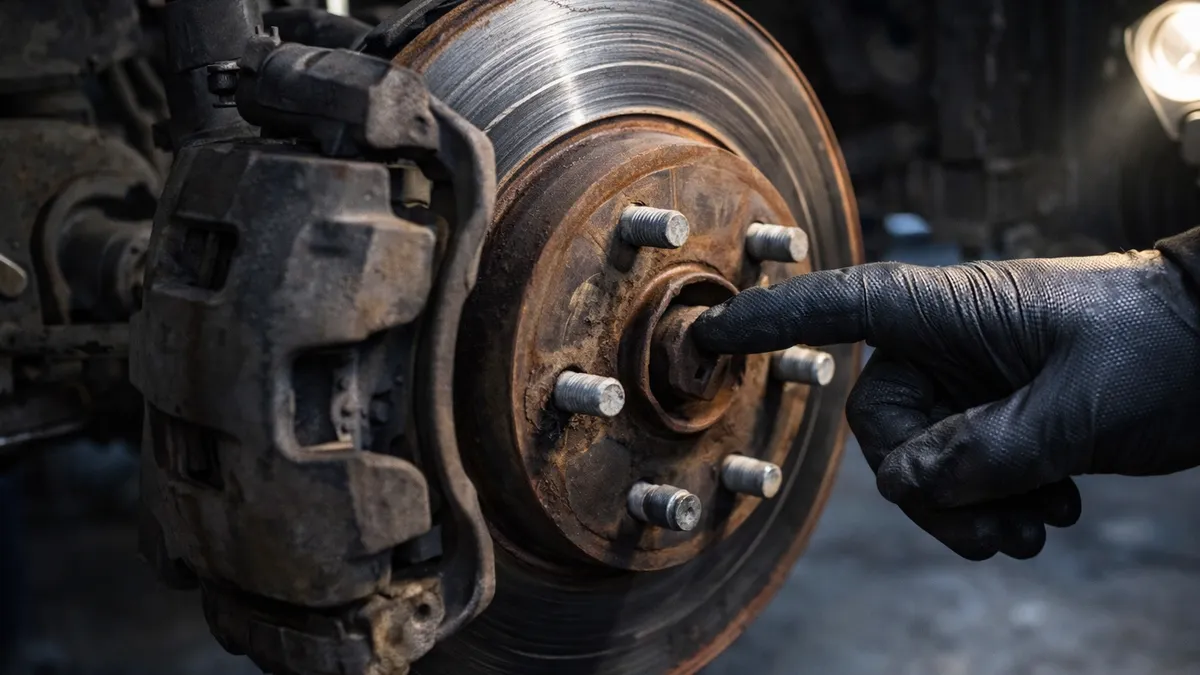
Car Making Grinding Noise When Braking — Causes and Fixes
Hearing a grinding sound when you hit the brakes? Here's what causes it, how serious it is, and what it costs to fix. Straight talk from a Thomaston CT mechanic.
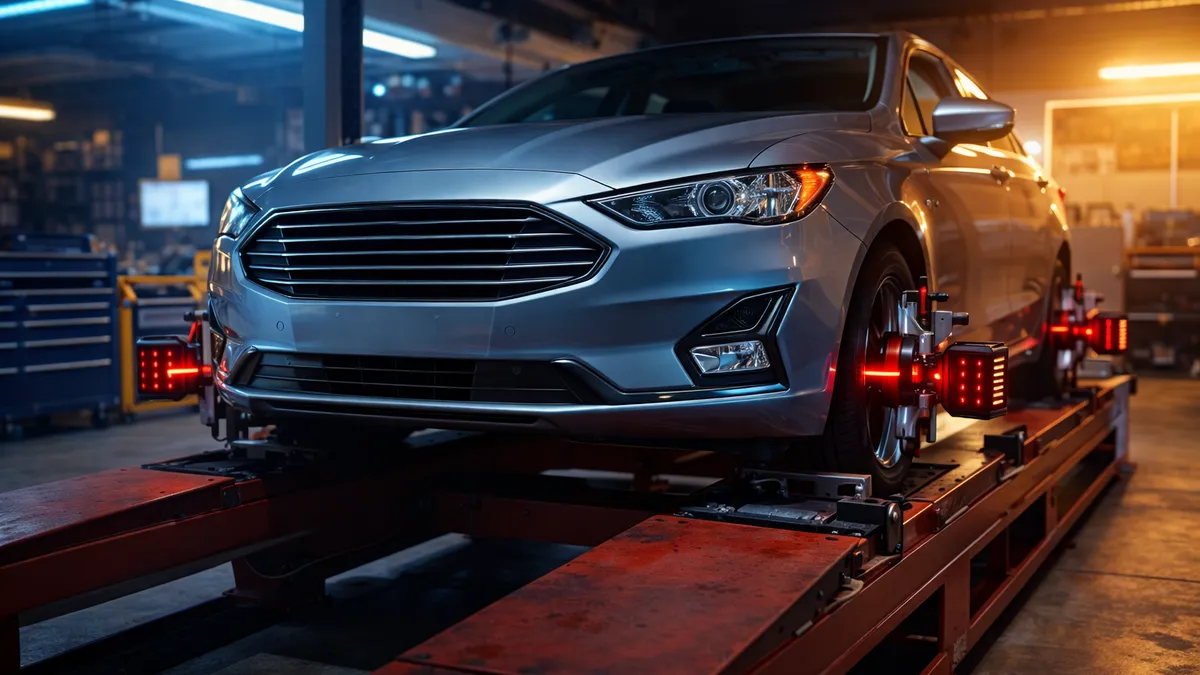
Car Pulling to One Side? Common Causes and Fixes
If your car drifts left or right or your steering wheel is off center, here's what's likely going on and when you need alignment, tire, or brake work.
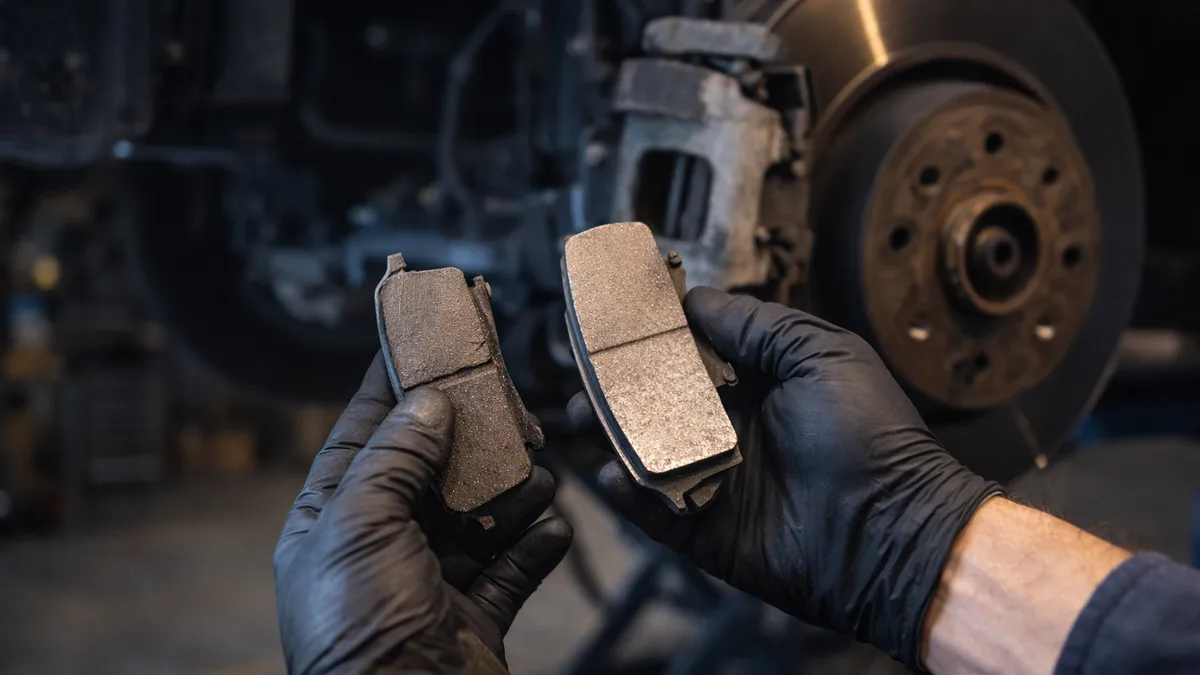
Squealing Noise When Braking? Here's What It Means
Brakes squeaking or squealing when you stop? Here's what causes brake noise, when it's harmless, and when it means your brakes need immediate attention.
Ready to Get Your Vehicle Fixed?
Schedule your appointment today. Free estimates on all repairs -- we'll explain what needs to be done before we do any work.