DIAGNOSTICS
Signs Your Prius or Camry Hybrid Battery Is Failing (and What to Do Next)
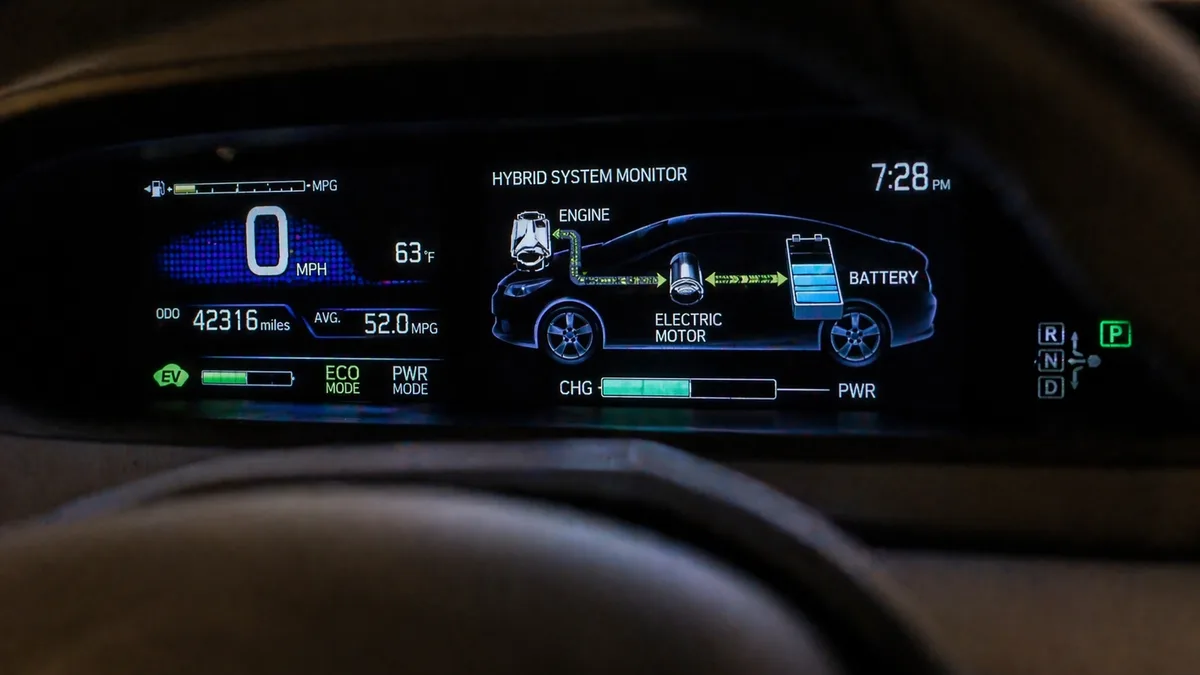
Toyota Priuses, Camry Hybrids, Highlander Hybrids, Ford Escape Hybrids, Lexus RXh's, and the other hybrids on Connecticut roads have one thing in common: they all have a large, expensive high-voltage battery pack in addition to the regular 12-volt battery under the hood. That pack is the heart of the hybrid system. It powers the electric motor, captures energy during regenerative braking, and determines a huge chunk of the vehicle's fuel economy.
And eventually, it wears out.
If your hybrid is past 100,000 miles or 10 years old, it's worth knowing how to tell when the pack is starting to decline. Here are the signs, what they mean, and what your options actually look like -- no sales pitch, just straight answers from a shop that sees plenty of high-mileage hybrids come through the bay.
How Hybrid Batteries Actually Work (Briefly)
Most current and recent-generation hybrids use either nickel-metal hydride (NiMH) or lithium-ion (Li-ion) battery packs. The pack is made up of many individual cells or modules wired together in series to produce the high voltage the electric motor needs. On a Prius, for example, that's typically 28 modules producing around 200 volts total.
The battery doesn't charge or discharge fully like a laptop -- the hybrid system keeps it in a narrow state-of-charge window (roughly 40-80%) to maximize service life. That's why hybrid batteries last as long as they do. But cells still age, and eventually one or more weak cells drag down the whole pack.
Signs Your Hybrid Battery Is Failing
1. Drop in Fuel Economy
This is usually the first and most obvious sign. If your Prius that used to get 48 MPG is now getting 38 -- and nothing else has changed (same tires, same commute, same driving style, same season) -- the gas engine is compensating for a weakened pack by running more often and harder. Fuel economy often drops gradually over months, then more sharply in the final stage.
2. Frequent Switching Between Electric and Gas
A healthy hybrid smooths transitions between electric and gas drive. When the battery is weakening, the engine kicks on earlier and more often. You'll notice the gas engine firing up at low speeds when it didn't used to, or running more at stops.
3. State-of-Charge Gauge Fluctuates Wildly
On most hybrids, the state-of-charge display shows the pack filling and draining during a normal drive. Healthy: gradual changes. Failing pack: the gauge jumps -- fills to the top, then plummets to the bottom within a mile or two. This is usually a sign the pack computer is receiving inconsistent voltage readings from weak cells.
4. Hybrid Warning Light / Red Triangle of Death
On a Prius, the classic sign is the "red triangle of death" -- the hybrid system warning light combined with other dashboard warnings. Other hybrids show "Check Hybrid System" or similar. This means the computer has detected a fault the system can't work around. At this point, the vehicle may enter a reduced-power mode.
5. Reduced Power / Sluggish Acceleration
The electric motor normally provides strong initial acceleration. When the pack can't deliver full current, acceleration from a stop feels weaker. Merging onto I-84 or Route 8 takes longer than it used to.
6. Engine Running at Idle or While Parked
If the engine starts running while you're sitting at a light or parked -- and the temperature isn't extreme -- the system is trying to charge a weakening pack. Occasional engine run at idle is normal; frequent run is a warning sign.
A Quick Word on Regenerative Braking and Your Brake Pads
One of the upsides of hybrid ownership is brake pad longevity. Hybrids use regenerative braking: when you lift off the gas or press the brake lightly, the electric motor runs backward as a generator, slowing the vehicle and feeding energy back into the pack. The friction pads only engage during harder stops. The result is brake pads that often last 2-3 times longer than on a comparable non-hybrid -- 80,000-100,000+ miles is common on a Prius.
But there's a catch. Because the friction brakes see less use, a few things can happen:
- Calipers can seize from lack of movement.
- Rotors can develop rust pits, especially in Connecticut winters.
- When the brakes finally do get used hard, the response can be uneven.
Regular brake inspection every 15,000-20,000 miles is still important on hybrids, even when the pads have thousands of miles of life left. We check the condition of calipers, rotors, and brake fluid -- not just the pads.
Replacement Options and What They Actually Cost
OEM Dealer Replacement
A new Toyota-supplied Prius pack installed at a dealership typically runs $2,500-$4,500. Other brands vary: Camry Hybrid similar, Highlander Hybrid higher, luxury hybrids (Lexus, Acura) often $4,000-$6,000+. The pack comes with a warranty (typically 3 years / 36,000 miles for OEM replacements), which is a real advantage.
Aftermarket Remanufactured Pack
Specialist hybrid repair shops rebuild packs using a mix of new and tested modules, plus a new battery computer. Prices run $1,500-$3,000 installed for most Priuses, somewhat higher for larger hybrids. Warranties vary from 1 to 3 years. Quality varies widely -- reputation of the installer matters.
Individual Cell / Module Replacement
Some shops will replace just the weakest cells. It's cheaper up-front ($500-$1,500) but the long-term result is often disappointing. The replacement cells age at a different rate than the rest, and within a year or two another cell goes weak. For a vehicle you plan to keep for more than a year, a full pack rebuild is usually the better value.
Used Pack From Salvage
Installing a pack pulled from a wrecked vehicle is the cheapest option ($400-$1,200 for the part) but the highest risk. You're buying an unknown-age component with no warranty. For older vehicles the owner plans to retire within a year, it can be a reasonable gamble. Otherwise, it's often a short-term fix.
What We Do at P&C Repair
High-voltage battery pack replacement is specialized work -- it requires specific diagnostic tools, training in high-voltage safety procedures, and dedicated equipment. For pack rebuild and replacement specifically, a specialty hybrid repair shop is often the right destination, and we're happy to refer you to a reputable one.
What we handle: all the non-high-voltage service on your hybrid. That's oil changes, brake service (with all the hybrid-specific caveats mentioned above), tires, alignment, air conditioning, cooling system, 12-volt battery testing and replacement, CT emissions testing, and diagnostics on conventional faults. A hybrid is still a car -- it still needs normal maintenance. We treat it like one.
If your hybrid is showing any of the signs above, bring it in at 64 N Main St in Thomaston or call (860) 601-0271. We'll scan it, test the 12-volt side, rule out other issues, and point you in the right direction if the high-voltage pack is the problem. No sales pressure -- just straight answers.
Need Help With This?
If something in this article sounds like what your vehicle is going through, bring it in. We'll diagnose the issue and give you a straight answer.
Keep Reading
More from The Garage

Check Engine Light On? Here's What It Could Mean
Your check engine light can mean anything from a loose gas cap to a serious engine problem. Here's how to tell the difference and what to do next.
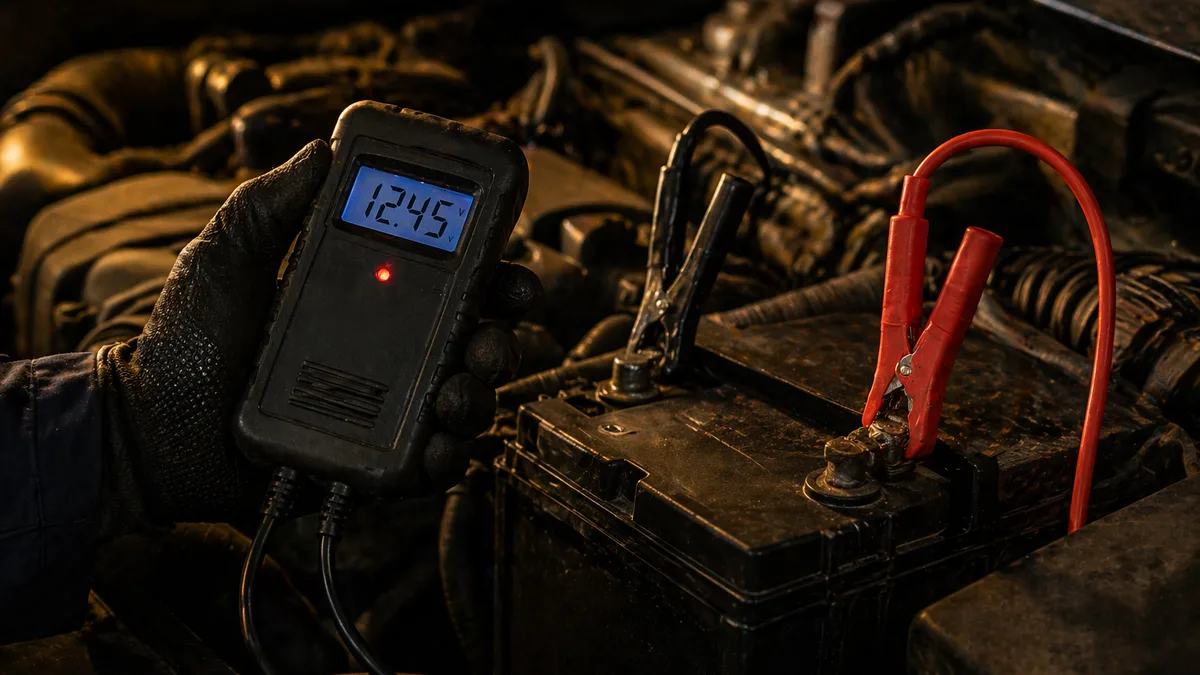
Car Battery Keeps Dying? 7 Common Causes for CT Drivers
Connecticut winters expose weak batteries and hidden electrical problems. Here's why your battery keeps dying, how we diagnose it, and when it's the battery versus something else.
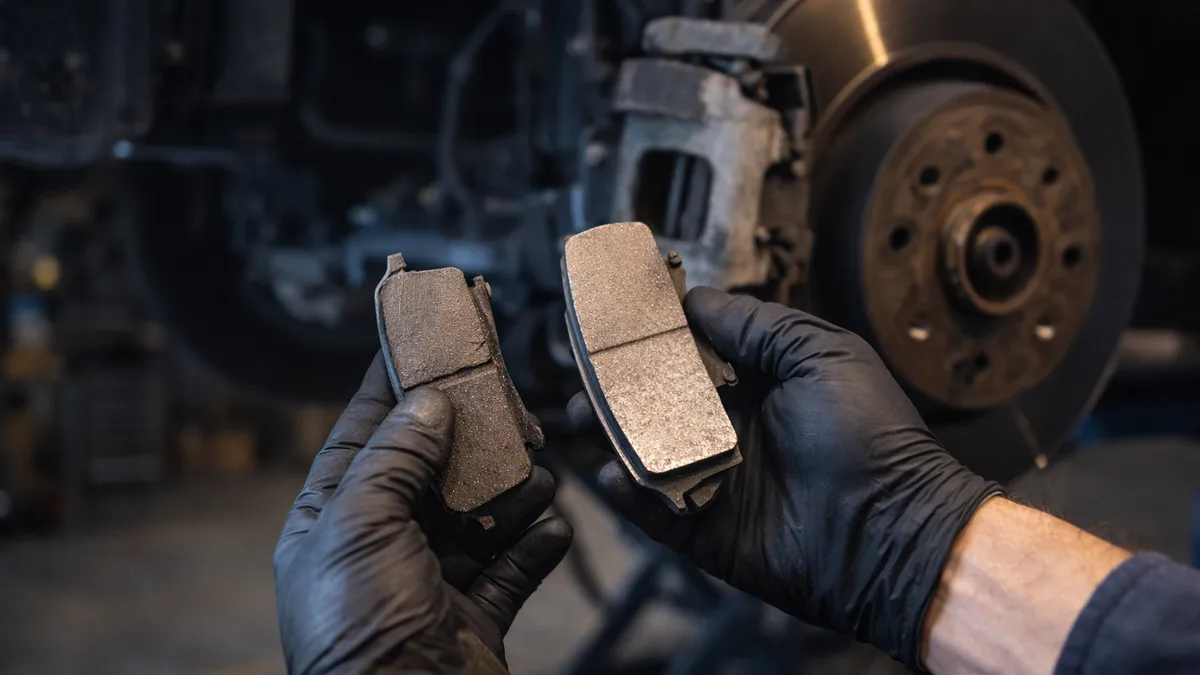
Squealing Noise When Braking? Here's What It Means
Brakes squeaking or squealing when you stop? Here's what causes brake noise, when it's harmless, and when it means your brakes need immediate attention.
Ready to Get Your Vehicle Fixed?
Schedule your appointment today. Free estimates on all repairs -- we'll explain what needs to be done before we do any work.