DIAGNOSTICS
Squealing Noise When Braking? Here's What It Means
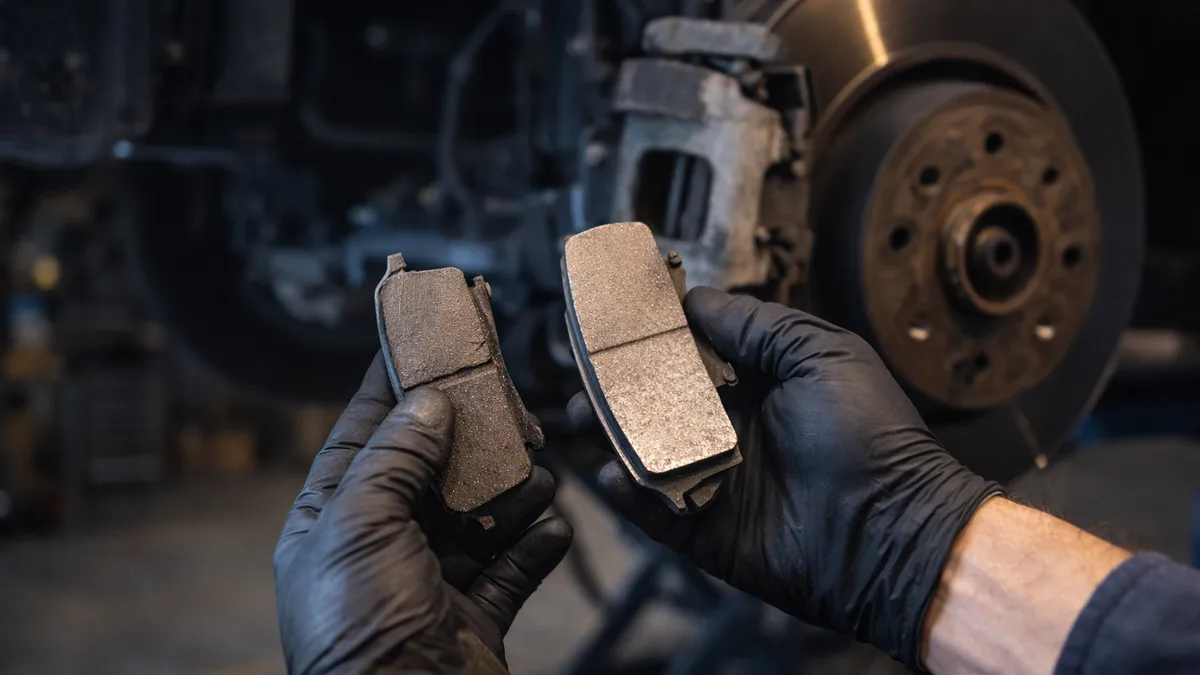
You press the brake pedal and hear a high-pitched squeal. Maybe it happens every time you stop, or maybe only on cold mornings. Either way, that squealing noise when braking gets your attention -- and it should. Brake noise is your car's way of communicating, and understanding what it's telling you can save you money and keep you safe.
At P&C Repair in Thomaston, we handle brake noise complaints every week. Here's what causes brakes to squeal, when it's nothing to worry about, and when it means you need to act.
The Most Common Cause: Brake Wear Indicators
Modern brake pads have a built-in early warning system -- a small metal tab called a wear indicator. When the brake pad material wears down to about 2-3mm thickness, this metal tab makes contact with the brake rotor surface and creates a distinctive high-pitched squeal.
This is by design. The squeal is meant to be annoying enough that you do something about it before the pads wear completely through. Think of it as your brakes telling you, "I've still got a little life left, but it's time to start thinking about replacement."
Wear indicator squeal has specific characteristics:
- High-pitched, metallic squeal that happens when braking lightly
- Consistent -- happens at most or all stops, not just occasionally
- May go away briefly when braking hard (the increased pad pressure pushes the indicator away from the rotor momentarily)
- Gets more frequent over time as the pads continue to wear
If this describes what you're hearing, schedule a brake inspection soon. You're not in emergency territory yet, but you will be if you keep driving. Once pads wear past the indicator and you start hearing grinding instead of squealing, you're damaging the rotors -- and that doubles the repair cost.
Morning Brake Squeal: Usually Harmless
If your brakes only squeal for the first few stops in the morning and then go silent, it's almost certainly surface rust on the rotors. This is extremely common in Connecticut and is not a problem.
Here's why it happens: brake rotors are bare cast iron or steel. When your car sits overnight -- especially in Connecticut's humid air -- a thin layer of surface rust forms on the rotor face. The first time you press the brake pedal, the pads scrape off this rust layer, which produces a brief squeal or light scraping sound. After two or three stops, the rust is gone and the brakes are quiet.
This happens more frequently:
- During rainy or humid weather
- When the car sits for more than a day without being driven
- In spring and fall when temperature swings cause condensation
- If the car is parked outside rather than in a garage
No repair needed. It's normal. Every car in Thomaston does it.
Brake Pad Material and Noise
Not all brake pads are created equal, and the pad material itself plays a role in brake noise.
- Semi-metallic pads contain metal fibers (steel, iron, copper) in the friction material. They offer excellent stopping power and heat dissipation, but they're inherently noisier than other types. The metal content can create a light squeal during braking, especially in cold weather. Many vehicles come from the factory with semi-metallic pads.
- Ceramic pads use ceramic fibers and bonding agents. They produce less noise, create less brake dust, and are gentler on rotors. They cost more but are quieter. For drivers who are sensitive to brake noise, ceramic pads are often a good upgrade.
- Organic pads are made from materials like rubber, glass, and Kevlar. They're quiet and inexpensive but wear faster and don't handle high heat as well.
When we do brake repair at P&C Repair, we discuss pad options with you. If noise is a concern, ceramic pads are usually the best balance of quiet operation, performance, and longevity.
Other Causes of Brake Squealing
Glazed Brake Pads or Rotors
Glazing happens when the brake pad surface overheats and becomes smooth and hardened instead of maintaining its normal slightly rough texture. Glazed pads don't grip the rotor as effectively and tend to squeal because they're sliding against the rotor surface rather than biting into it.
Glazing can occur from:
- Riding the brakes (keeping your foot lightly on the pedal while driving)
- Repeated hard braking from high speed (like descending steep hills)
- New pads that weren't properly bedded in
Connecticut's hilly terrain -- especially around Thomaston, Harwinton, and the Route 8 corridor through the Naugatuck Valley -- means more braking on hills, which can contribute to glazing if the brakes are undersized or the pad material isn't suited for the conditions.
Mildly glazed pads can sometimes be scuffed with sandpaper to restore the surface. Severely glazed pads should be replaced.
Missing or Damaged Anti-Squeal Hardware
Brake systems include various pieces of hardware designed to reduce noise:
- Shims -- thin metal or rubber-coated plates that sit between the pad and caliper to dampen vibration
- Anti-rattle clips -- spring clips that keep the pads from vibrating in the caliper bracket
- Caliper slide pins -- lubricated pins that allow the caliper to float and apply even pressure
When these components are missing, corroded, or improperly installed, the pads can vibrate at a frequency that produces a squeal. This is one reason why quality brake work matters -- a proper brake job includes new hardware and proper lubrication of all contact points.
Dust or Debris Between Pad and Rotor
Small stones, road grit, or brake dust buildup can get trapped between the brake pad and rotor, causing intermittent squealing or scraping sounds. This is more common in spring when road sand from winter treatments gets kicked up. It usually resolves on its own but can sometimes require cleaning.
Squealing vs. Grinding: Know the Difference
This distinction matters for your wallet:
- Squealing = high-pitched, metallic sound. Pads still have some material left. You have time to schedule service.
- Grinding = low-pitched, harsh, metal-on-metal sound. Pads are worn completely through and the metal backing plate is grinding against the rotor. This is damaging the rotor surface with every stop. You need service now, not next week.
We have a detailed article on grinding noise when braking if that's what you're experiencing. The short version: grinding means you've gone past the warning stage and are causing additional damage with every stop. At P&C Repair, we always replace rotors rather than resurfacing them -- by the time grinding has occurred, the rotor is scored and compromised.
How We Handle Brake Noise at P&C Repair
When you bring a brake noise complaint to our shop, here's what we do:
- Road test -- We drive the vehicle to reproduce the noise and characterize it (squeal, grinding, scraping, under what conditions)
- Visual inspection -- We remove the wheels and inspect pad thickness, rotor condition, hardware, and caliper operation
- Measurement -- We measure brake pad thickness and rotor thickness to determine remaining life
- Recommendation -- We tell you exactly what's going on and what your options are
We never pressure you into brake work you don't need. If your pads have 50% life left and the squeal is just surface rust, we'll tell you that and send you on your way. If pads are at 2mm and the wear indicators are screaming, we'll show you and explain what happens if you wait too long.
What Does a Brake Job Include?
A complete brake job at P&C Repair includes:
- New premium brake pads (ceramic or semi-metallic, your choice)
- New brake rotors (we replace, not resurface)
- New anti-rattle clips and hardware
- Caliper slide pin cleaning and lubrication
- Brake fluid inspection
- Road test to verify quiet, smooth operation
We use quality parts because cheap brake parts lead to noise complaints, premature wear, and comebacks. You pay once and it's done right.
Hearing a squeal every time you brake? Don't wait until it turns into grinding. Bring it to P&C Repair at 64 N Main St in Thomaston. We serve drivers from Waterbury, Plymouth, Bristol, Terryville, and the surrounding area. Call (860) 601-0271 or stop in Monday-Friday 8AM-5PM, Saturday 8AM-1PM.
Need Help With This?
If something in this article sounds like what your vehicle is going through, bring it in. We'll diagnose the issue and give you a straight answer.
Keep Reading
More from The Garage
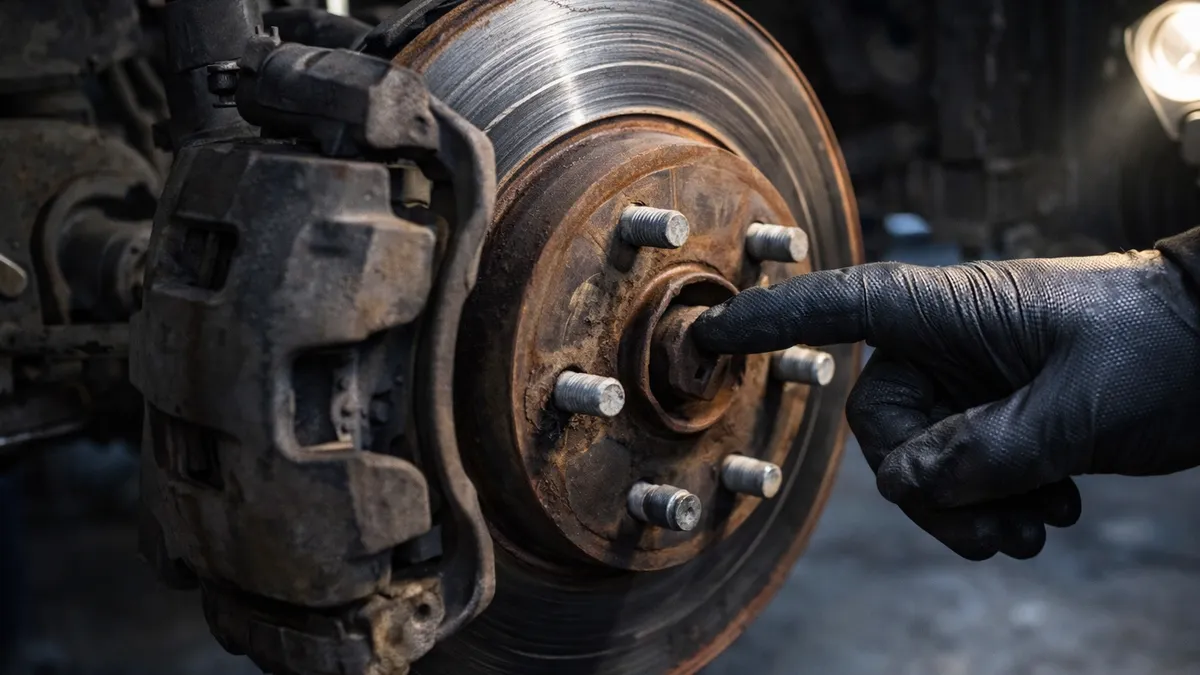
Car Making Grinding Noise When Braking — Causes and Fixes
Hearing a grinding sound when you hit the brakes? Here's what causes it, how serious it is, and what it costs to fix. Straight talk from a Thomaston CT mechanic.
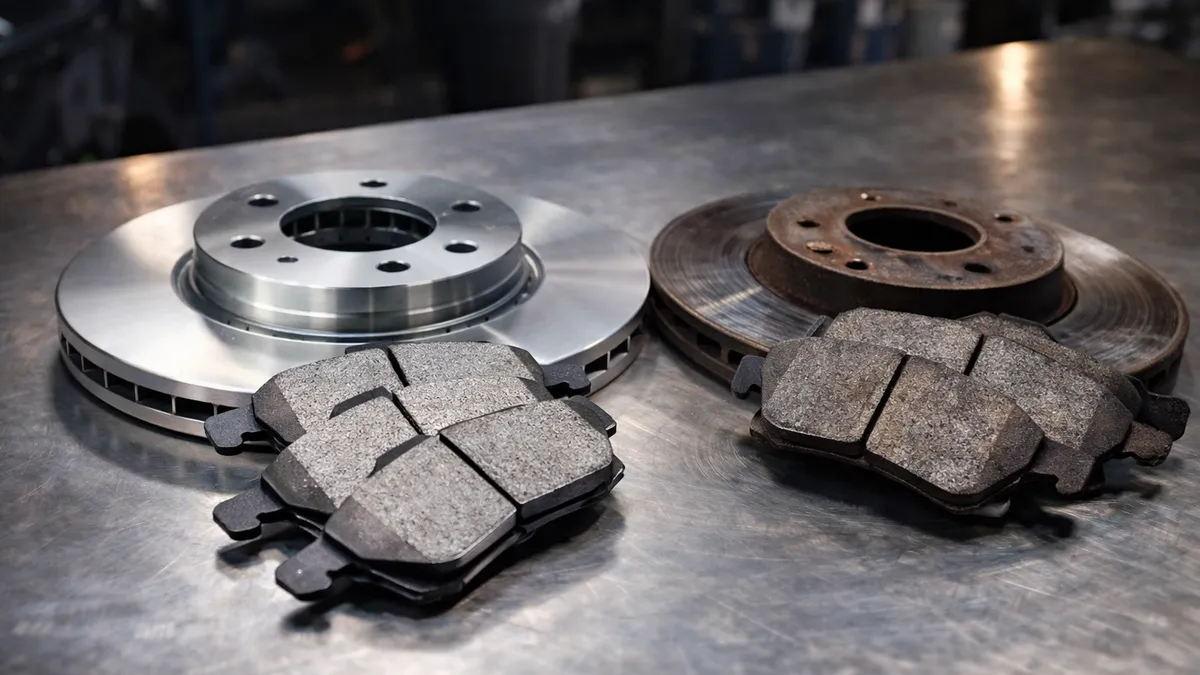
How Much Does Brake Repair Cost in Connecticut?
Brake repair costs in CT depend on what's needed — pads, rotors, calipers, or fluid. Here's a realistic breakdown of what to expect, with no hidden fees.
Car Pulling to One Side? Common Causes and Fixes
If your car drifts left or right or your steering wheel is off center, here's what's likely going on and when you need alignment, tire, or brake work.
Ready to Get Your Vehicle Fixed?
Schedule your appointment today. Free estimates on all repairs -- we'll explain what needs to be done before we do any work.