DIAGNOSTICS
Car Won't Start and Makes a Clicking Noise? Here's Why
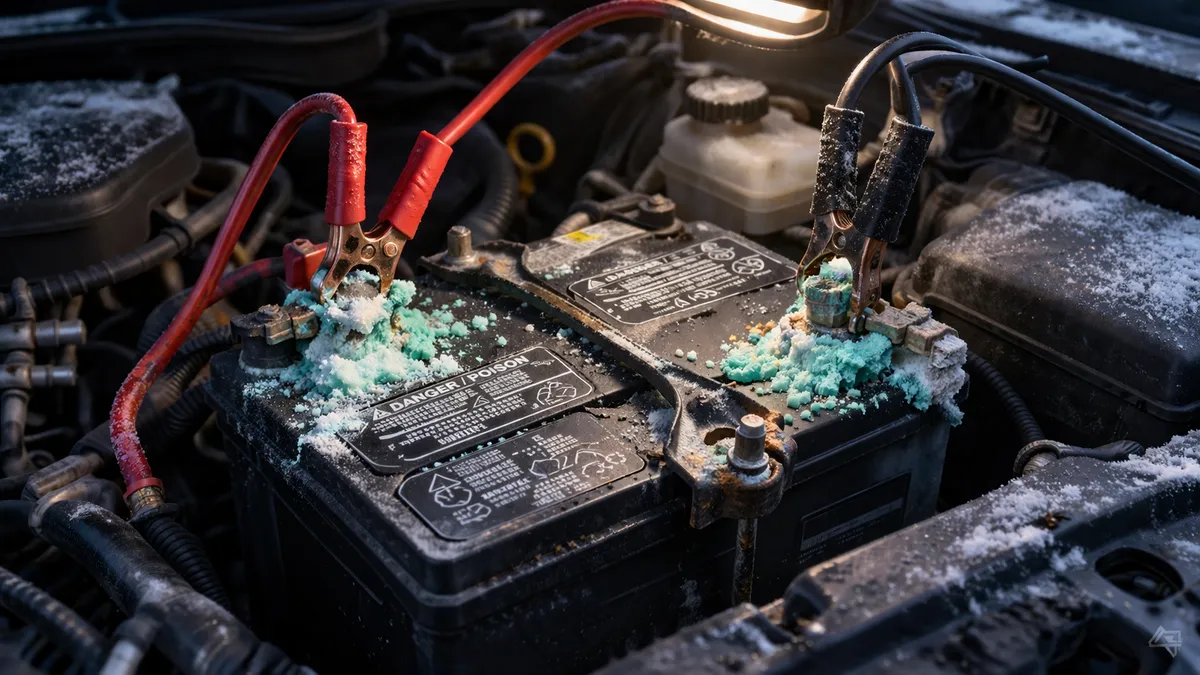
It's a freezing Monday morning in Thomaston. You turn the key (or press the start button), and instead of the engine roaring to life, you hear clicking. Maybe it's one loud click. Maybe it's a rapid series of clicks. Either way, you're not going anywhere.
A car that won't start and makes a clicking noise is one of the most common problems we see at P&C Repair, especially during Connecticut winters. The good news: the clicking sound itself is a useful diagnostic clue. Here's what the different types of clicking mean and what to do about them.
Rapid Clicking: Dead or Weak Battery
If you turn the key and hear a rapid clicking sound -- like a relay chattering -- the problem is almost certainly a dead or severely weak battery. Here's what's happening electrically: the starter solenoid needs a large amount of current to engage and hold. When the battery is too weak, the solenoid tries to engage, draws down the remaining voltage, drops out, voltage recovers slightly, the solenoid tries again -- and this cycle repeats rapidly, producing that distinctive clicking pattern.
Common reasons the battery is dead:
- Old battery. Car batteries in Connecticut typically last 3-5 years. Our cold winters are especially hard on batteries -- cold temperatures reduce a battery's cranking capacity right when you need it most. If your battery is more than 4 years old and you're getting slow cranks or clicking, it's probably time for a new one.
- Lights or accessories left on. Leaving your headlights, dome light, or an accessory plugged into the 12V port overnight will drain the battery. Most modern cars have automatic headlight shutoff, but older vehicles don't.
- Short trips. If you only drive short distances around town, the alternator may not have enough time to fully recharge the battery after each start. This is common for drivers who mostly run errands around Thomaston, Waterbury, or Plymouth without longer highway drives.
- Failing alternator. The alternator charges the battery while the engine is running. If it's failing, the battery slowly drains over days or weeks until it can no longer start the car.
- Parasitic drain. An electrical fault that draws power even when the car is off. Common culprits include aftermarket stereos, alarm systems, or a trunk/glove box light that stays on.
What to Do: Rapid Clicking
Try a jump start. If the car starts with a jump and runs fine, drive it for at least 20-30 minutes to let the alternator recharge the battery. Then get the battery tested. Most auto parts stores will test it for free, or bring it to us at P&C Repair and we'll test the battery and charging system.
If the battery keeps dying after being jumped and driven, the battery itself is shot or you have a charging system problem. Either way, a proper diagnosis will pinpoint which component is the issue.
Single Loud Click: Starter Motor Problem
If you turn the key and hear one loud click (sometimes described as a "clunk") followed by silence, the starter motor or its solenoid is the likely culprit.
The starter solenoid is an electromagnetic switch that engages the starter gear with the engine's flywheel. That single click is the solenoid engaging. But if the starter motor itself has failed -- a dead spot on the armature, worn brushes, or a seized motor -- it won't spin even though the solenoid activated.
The old-school trick: sometimes tapping the starter motor with a wrench or hammer while someone turns the key can get it to spin past a dead spot. If this works, it confirms the starter is failing and needs replacement -- but it may buy you one more start to get to the shop.
A single click can also come from a severely discharged battery that has just enough juice to activate the solenoid but not enough to turn the starter motor. This is why we always test the battery first, even when the symptom points toward the starter.
What to Do: Single Click
- Try a jump start. If the car starts normally with a jump, the battery was the issue, not the starter.
- If jumping doesn't help and you still get a single click, the starter needs to be checked. You'll likely need a tow to the shop.
- Don't keep cranking repeatedly -- you'll drain the battery completely and may damage the starter further.
No Click at All: Other Electrical Issues
For completeness, if you turn the key and hear absolutely nothing -- no click, no sound at all -- the problem is further upstream in the electrical system:
- Completely dead battery -- not even enough power to activate the solenoid
- Corroded battery terminals -- the connection between the cable and battery post is compromised. This is extremely common in Connecticut because road salt spray gets under the hood and accelerates corrosion. You may see white or green fuzzy buildup on the terminals.
- Faulty ignition switch -- the electrical switch that sends the signal to the starter
- Neutral safety switch -- on automatic transmissions, this switch prevents starting unless the car is in Park or Neutral. If it fails, the starter won't get the signal. Try shifting to Neutral and attempting to start.
- Blown fuse or fusible link -- a protective fuse in the starter circuit has blown
Connecticut Cold Weather and Starting Problems
Cold weather is the number one trigger for no-start conditions, and Connecticut gets plenty of it. Here's why cold makes everything harder:
- Battery capacity drops. At 32°F, a fully charged battery has only about 65% of the cranking power it has at 80°F. At 0°F, it drops to around 40%. Meanwhile, the engine is harder to turn over because the oil is thicker.
- Oil thickens. Cold engine oil creates more resistance for the starter motor, requiring more electrical power from an already weakened battery.
- Corrosion accelerates. Salt and moisture from winter driving corrode battery terminals and ground connections, increasing electrical resistance.
If you've been dealing with slow cranking on cold mornings, don't wait for it to fail completely. Have the battery tested before it leaves you stranded in a parking lot in January. We wrote a full guide on cold weather starting problems if you want more detail.
How We Diagnose No-Start Conditions at P&C Repair
When a car that clicks but won't start comes into our Thomaston shop (usually on a tow truck), here's our process:
- Battery test -- We test the battery's voltage, cranking amps, and state of health with a digital battery analyzer. This tells us if the battery can hold a charge and deliver enough power.
- Terminal and cable inspection -- We check battery terminals, ground straps, and starter cables for corrosion, looseness, or damage.
- Voltage drop test -- We test for excessive resistance in the starter circuit. This catches corroded connections and damaged cables that a visual inspection might miss.
- Starter test -- If the battery and connections are good, we test the starter motor for proper operation.
- Charging system test -- Once the car is running, we verify the alternator is charging the battery properly to prevent the problem from recurring.
We test everything in order so we don't replace a starter when the real problem was a corroded ground cable. Accurate diagnosis saves you money on unnecessary parts.
Preventing No-Start Problems
A few simple steps can keep you from being stranded:
- Replace your battery every 4-5 years in Connecticut's climate -- don't wait for it to die
- Clean battery terminals annually -- a wire brush and some terminal protector spray goes a long way
- Take longer drives occasionally -- if you mostly do short trips, a 20+ minute highway drive once a week helps keep the battery charged
- Address slow cranking immediately -- if the engine is turning over slower than usual, that's the warning before failure
Car clicking and not starting? Call P&C Repair at (860) 601-0271. If you're in the Thomaston, Waterbury, Plymouth, or Bristol area, we can diagnose and fix the problem. Located at 64 N Main St, Thomaston -- Monday-Friday 8AM-5PM, Saturday 8AM-1PM.
Need Help With This?
If something in this article sounds like what your vehicle is going through, bring it in. We'll diagnose the issue and give you a straight answer.
Keep Reading
More from The Garage
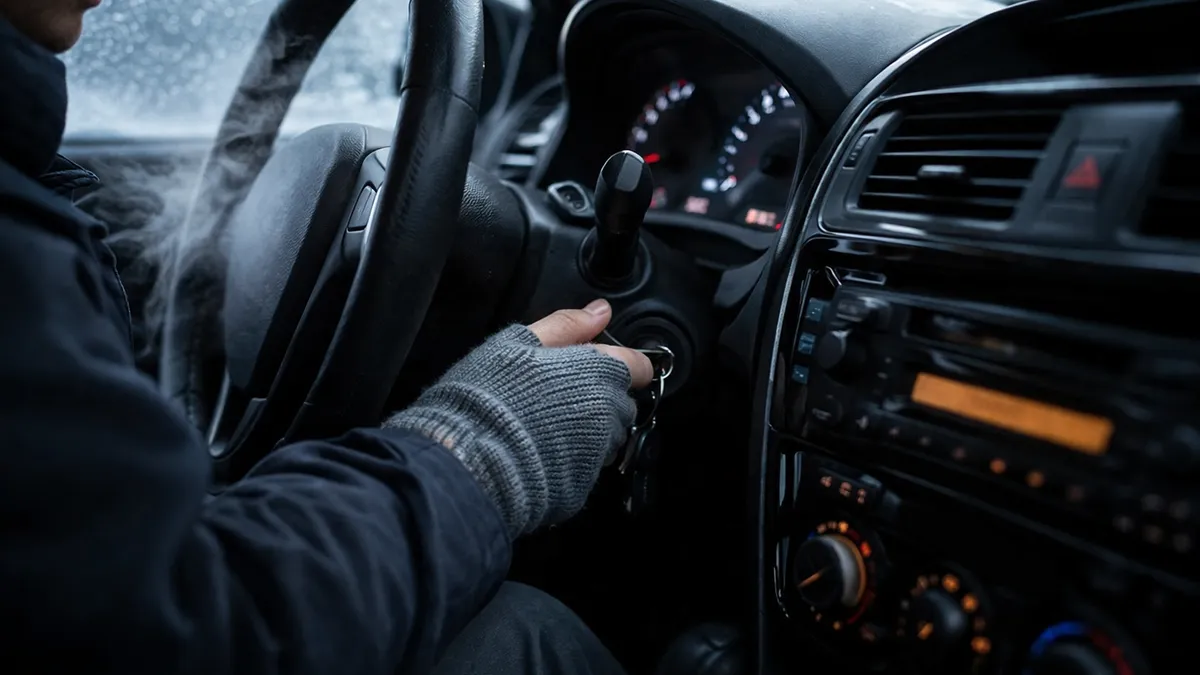
Car Won't Start in Cold Weather — Troubleshooting Guide
Car won't start on a cold Connecticut morning? Here are the most common causes and what you can do before calling a mechanic.
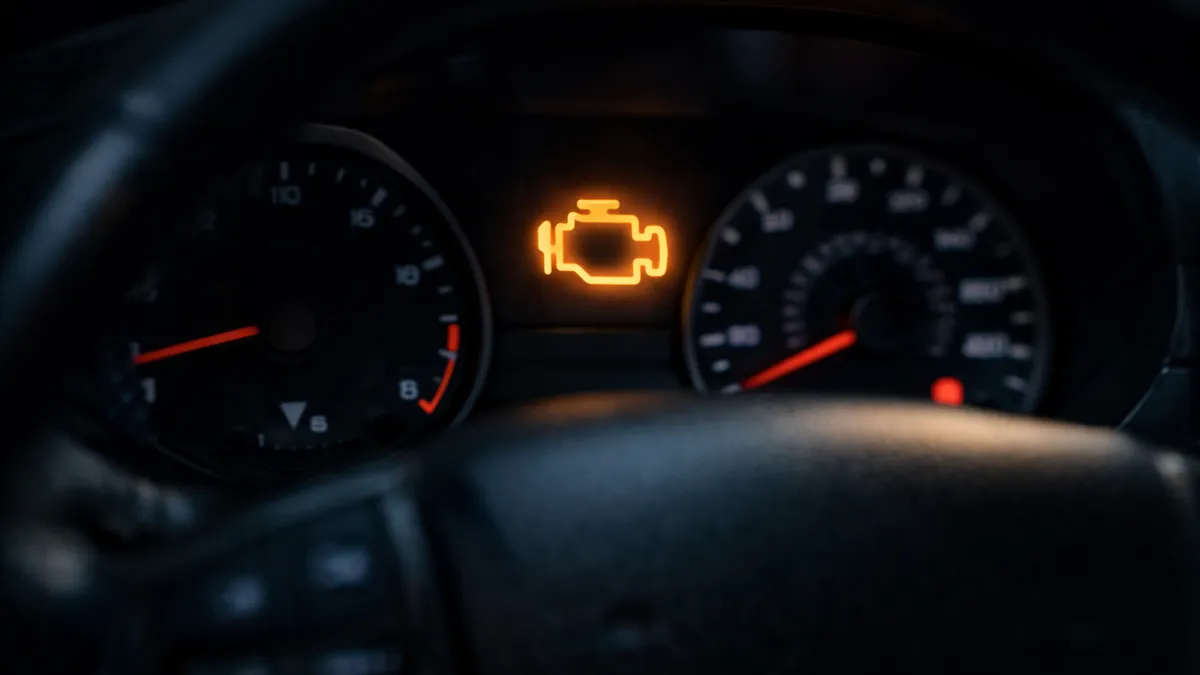
Check Engine Light On? Here's What It Could Mean
Your check engine light can mean anything from a loose gas cap to a serious engine problem. Here's how to tell the difference and what to do next.
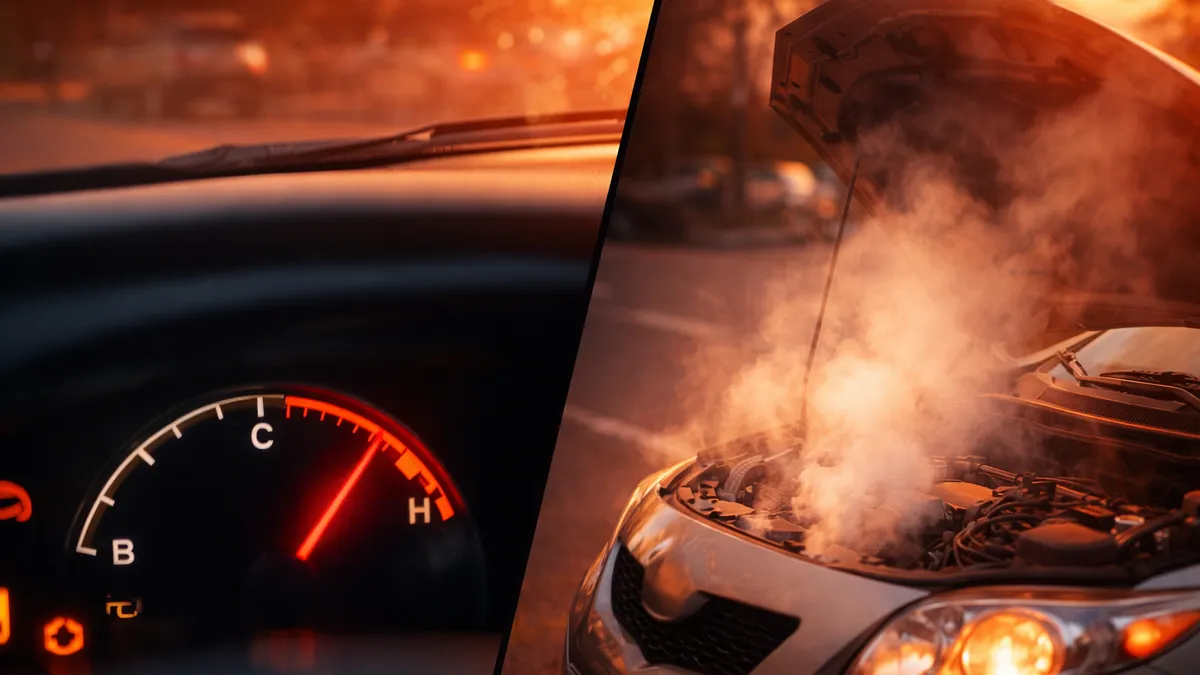
Car Overheating but Coolant Is Full? Here's What to Check
If your engine is overheating even though the coolant reservoir looks full, several hidden problems could be the cause. Here's what to look for before serious damage occurs.
Ready to Get Your Vehicle Fixed?
Schedule your appointment today. Free estimates on all repairs -- we'll explain what needs to be done before we do any work.