DIAGNOSTICS
Burning Smell From Your Car? What Rubber, Oil, Plastic, and Brake Smells Mean
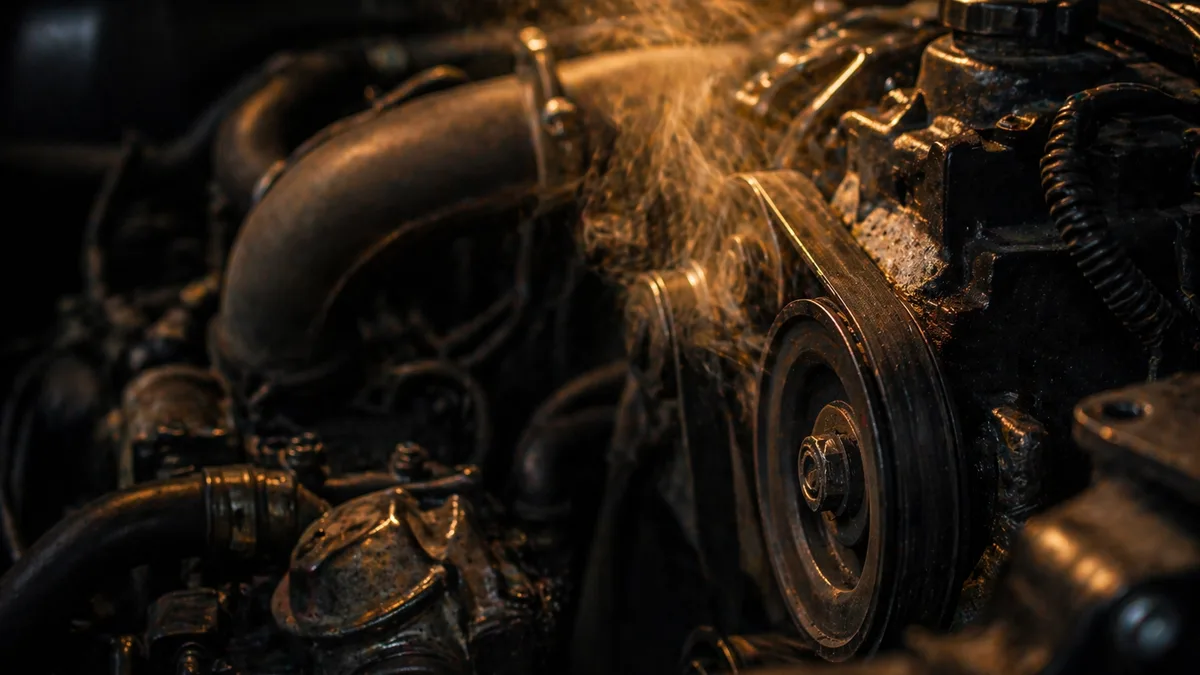
A burning smell in your car is your nose telling you something is wrong -- and often, telling you exactly what. Different materials smell different when they burn, and learning to identify them can help you decide whether to pull over immediately or finish your errand and drop by P&C Repair on the way home.
Here's a breakdown of the most common burning smells in cars, what each one typically means, and when a smell is an emergency versus when it's a "bring it in soon" situation.
Burning Rubber
Burning rubber usually comes from belts, hoses, or tires. The most common causes:
- A slipping or failing belt. The serpentine or drive belt rides on multiple pulleys. When it loses tension or a pulley bearing seizes, friction heats the belt and you get that acrid rubber smell. You may also hear a squealing or chirping noise at the same time.
- A hose contacting a hot engine component. Vacuum hoses or coolant hoses can shift and touch the exhaust manifold or a hot part of the engine, melting slowly.
- Dragging brakes. A stuck caliper or a parking brake that didn't fully release creates continuous friction on the rotor, and the heat can smoke the pad material.
- Object stuck near the engine. Rarely, a plastic bag or piece of road debris gets lodged against the exhaust.
Burning rubber rarely requires an emergency stop, but don't ignore it. A failing belt can snap and leave you without power steering, alternator, and coolant circulation all at once.
Burning Oil
Oil burning on a hot surface has a distinctive thick, acrid smell -- slightly sweet at first, then harsh. It usually means:
- A valve cover gasket leak dripping oil onto the exhaust manifold. Common on vehicles with 75,000+ miles.
- A leaking oil pan or rear main seal. Drips hit the exhaust or catalytic converter.
- An overfilled oil change pushing oil past gaskets.
- Worn piston rings burning oil inside the combustion chamber -- you'd also see bluish smoke from the exhaust.
Small oil drips on a hot exhaust can produce smoke from under the hood. In extreme cases it's a fire risk. If you see smoke with the smell, pull over.
Burning Plastic or Electrical Smell
This one is serious. Burning plastic almost always means an electrical problem -- a short circuit melting wire insulation or a component overheating. It smells like burning circuit board, a little like burnt toast but chemical.
If you smell burning plastic while driving:
- Pull over as soon as it's safe.
- Turn off the vehicle.
- Open the hood carefully and look for smoke or any component that's visibly warm or discolored.
- Call for help if you see smoke or visible damage.
Electrical fires in vehicles can spread fast. It's worth being cautious. Common sources are a bad alternator, a stuck relay, an aftermarket accessory wired incorrectly, or a shorted wire that's gotten chafed.
Burning Carpet or Hot Brake Smell
A smell like hot carpet, hot iron, or burnt fabric -- especially after coming down a long hill or after driving with the parking brake partially engaged -- is almost always brake overheating. Either:
- The parking brake wasn't fully released.
- A caliper is stuck and not releasing between brake applications.
- You rode the brakes hard down a steep grade.
- Brake pads or rotors are at end of life and generating excessive heat.
Overheated brakes can lose effectiveness (brake fade). If you notice the smell along with reduced braking, get off the road. Let the brakes cool, then drive slowly to a shop. See our guide on brake noise for related symptoms.
Sweet Smell (Maple Syrup or Fruit)
Coolant has a distinctly sweet smell. If you're smelling something like maple syrup -- especially with the heat on -- there's probably a coolant leak. Possible sources:
- Heater core leak -- coolant leaks inside the cabin or drips from the passenger footwell, creating a strong sweet smell through the vents.
- Radiator or hose leak onto the hot engine or exhaust, creating steam and sweet smell from under the hood.
- Water pump seal failure.
- Head gasket failure -- coolant burning inside the combustion chamber, coming out the exhaust as white smoke.
Check your coolant level. If it's dropping without visible leaks on the ground, the leak is internal -- and a head gasket or intake manifold gasket issue is the likely cause. That's a serious repair; see our head gasket cost guide.
Rotten Eggs (Sulfur)
A rotten-egg smell from the exhaust typically means hydrogen sulfide isn't being converted properly. The most common causes are:
- Failing catalytic converter -- the converter should neutralize sulfur compounds. When it degrades, raw sulfur makes it out the tailpipe.
- Running too rich -- a fuel injection or sensor problem causing excess unburned fuel.
- Bad fuel -- occasionally, a tank of high-sulfur fuel can cause a temporary smell that clears after a couple fills.
A rotten-egg smell from the battery area (not the exhaust) can mean the battery is boiling over from overcharging. That's a charging system problem -- get it checked.
Gasoline Smell
Smelling gasoline is always a reason to stop and investigate. Possible causes:
- Fuel leak from a line, injector, or fuel rail.
- Cracked fuel tank or filler neck.
- Failed gas cap seal.
- Flooded engine after repeated failed starts.
Gasoline vapors near a hot engine or exhaust are a fire hazard. If you can smell fuel strongly, pull over and shut the engine off. Don't keep driving to "see if it gets worse."
Musty or Moldy Smell (Usually from Vents)
This one isn't an emergency -- but it's annoying, and it can trigger allergies. A musty smell coming through the AC vents usually means mold or mildew on the evaporator coil. It's especially common in humid summers.
The fix is running the AC system with a treatment spray, cleaning or replacing the cabin air filter, and drying the evaporator with fan-only mode at the end of each drive. In severe cases the evaporator housing needs a deeper cleaning.
When to Pull Over Now vs When to Bring It In
Stop driving immediately if you smell:
- Gasoline -- fire risk.
- Burning plastic or electrical -- fire risk.
- Any burning smell combined with smoke from under the hood or inside the cabin.
- Hot brakes combined with a soft pedal -- brake failure risk.
Bring it in soon (within days, not weeks) if you smell:
- Burning rubber without smoke.
- Burning oil without smoke.
- Sweet coolant smell.
- Rotten eggs.
- Musty AC smell.
We'll Figure Out What It Is
Smells are one of the best diagnostic clues a vehicle gives you, but identifying the exact source sometimes takes a lift, a light, and experience. At P&C Repair we diagnose any burning or unusual smell. Stop by 64 N Main St in Thomaston or call (860) 601-0271. We serve drivers from Waterbury, Plymouth, Terryville, Bristol, Torrington, and throughout Litchfield County. If your nose says something's wrong, trust it -- and bring the car in.
Need Help With This?
If something in this article sounds like what your vehicle is going through, bring it in. We'll diagnose the issue and give you a straight answer.
Keep Reading
More from The Garage
White Smoke from Exhaust: What It Means and When to Worry
White smoke or steam from your tailpipe could be normal condensation or a sign of a serious engine problem. Here's how to tell the difference.
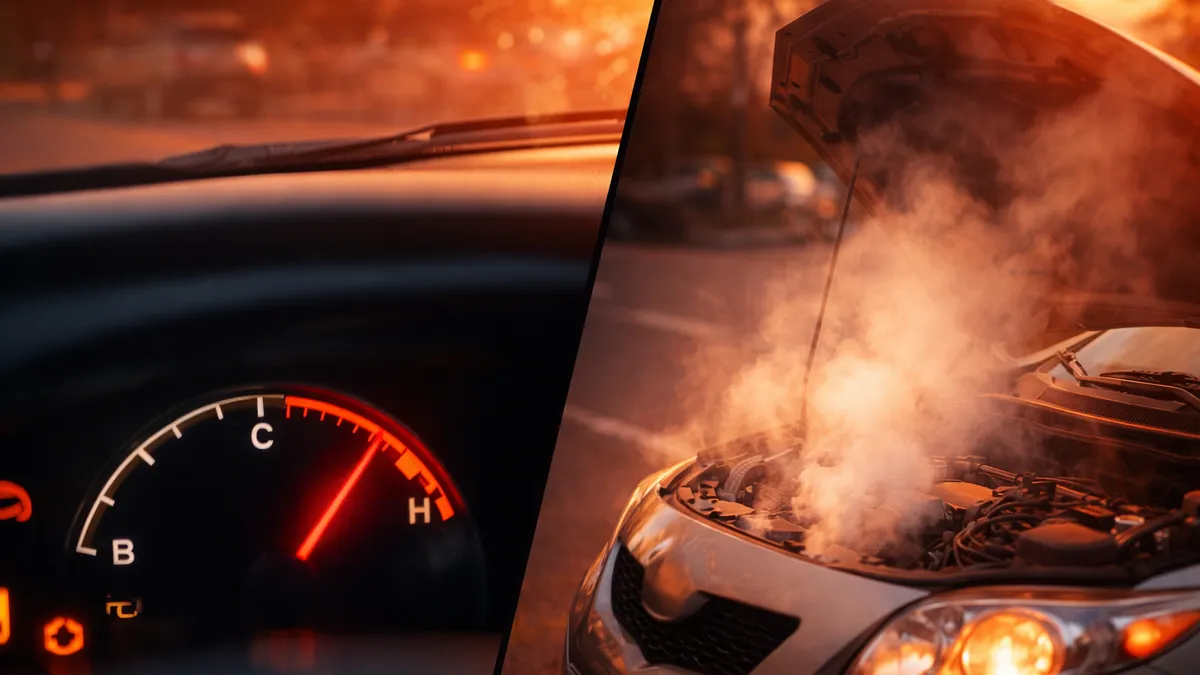
Car Overheating but Coolant Is Full? Here's What to Check
If your engine is overheating even though the coolant reservoir looks full, several hidden problems could be the cause. Here's what to look for before serious damage occurs.
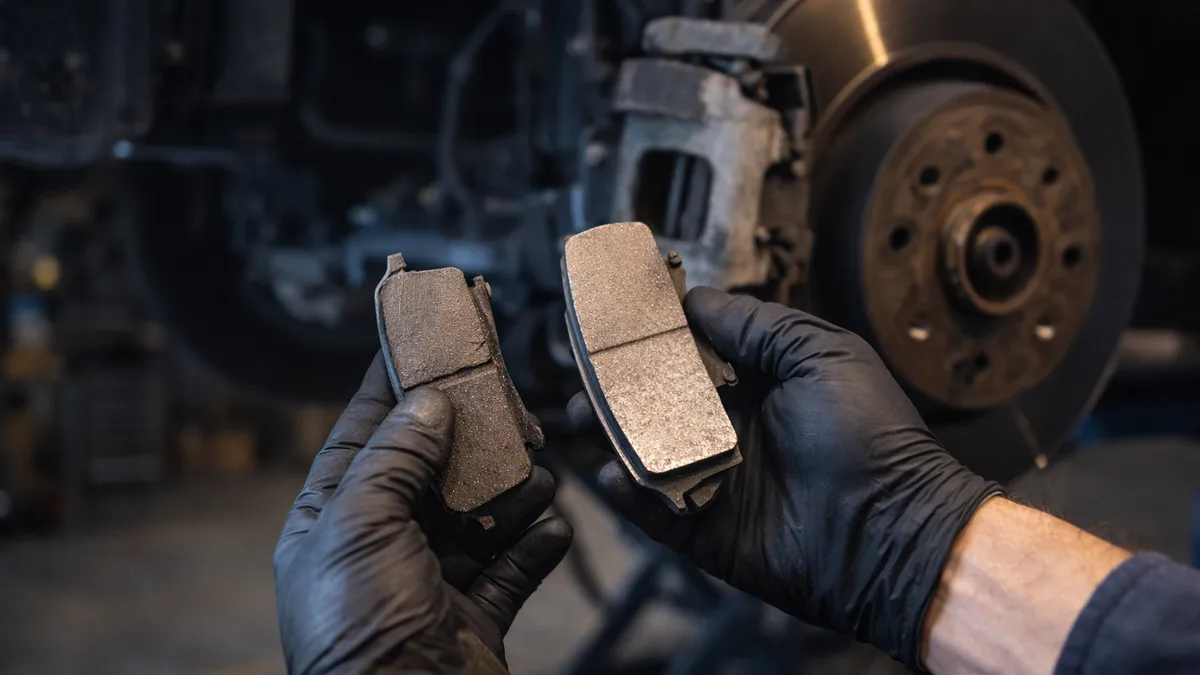
Squealing Noise When Braking? Here's What It Means
Brakes squeaking or squealing when you stop? Here's what causes brake noise, when it's harmless, and when it means your brakes need immediate attention.
Ready to Get Your Vehicle Fixed?
Schedule your appointment today. Free estimates on all repairs -- we'll explain what needs to be done before we do any work.