MAINTENANCE_TIPS
Undercoating and Rust Protection in Connecticut — Why It Matters
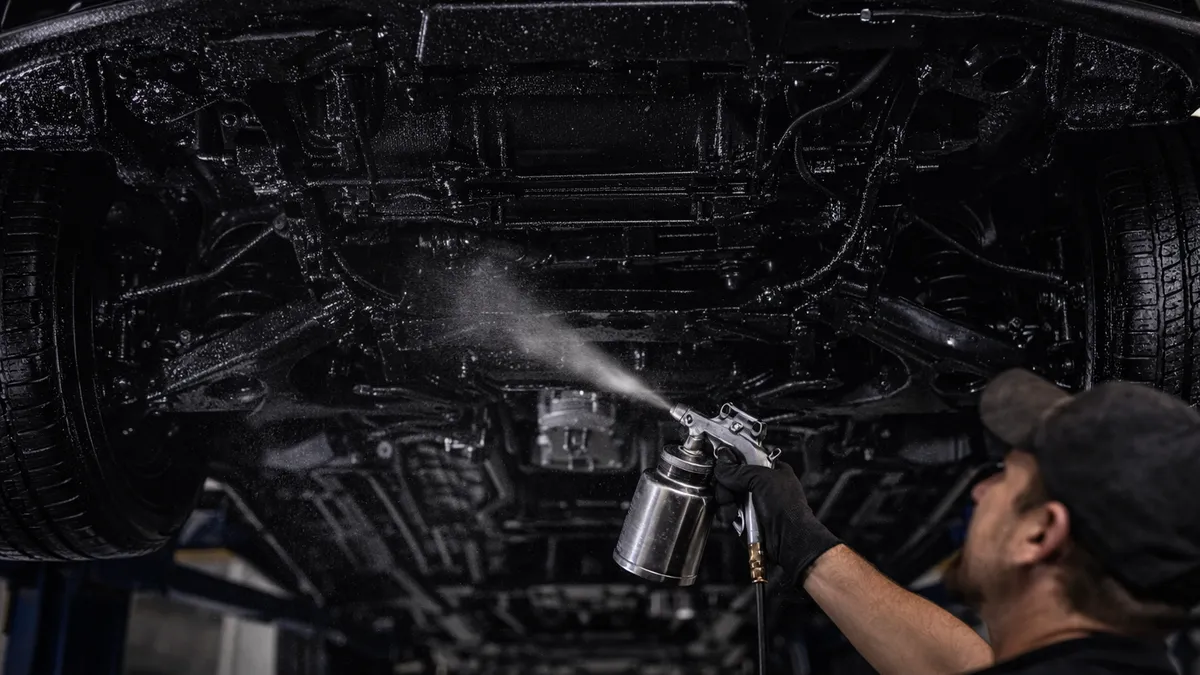
If you've ever looked underneath a 10-year-old car that's spent its whole life in Connecticut, you know what road salt does. Exhaust systems rotted through. Brake lines corroded to the point of failure. Subframe and body mounts eaten away. Fuel lines rusted thin. It's not pretty, and the repair bills for this kind of damage add up fast.
Undercoating is one of the best investments you can make to protect your vehicle in Connecticut. It's not glamorous, nobody sees it, and it doesn't add horsepower. But it can save you thousands of dollars in rust-related repairs over the life of your vehicle. At P&C Repair in Thomaston, we apply undercoating and see firsthand the difference it makes.
What Road Salt Does to Your Vehicle
Connecticut uses millions of tons of road salt every winter. On major routes like Route 8 through Thomaston and I-84 through Waterbury, salt trucks run constantly during snow events. That salt doesn't just sit on the road surface -- it gets thrown up into your wheel wells, coats your undercarriage, and works its way into every crevice, seam, and joint underneath your vehicle.
Salt is hygroscopic -- it attracts and holds moisture. So even after the roads dry, salt residue trapped in your undercarriage continues to hold moisture against bare metal. This creates the perfect conditions for accelerated oxidation (rust), which eats through steel components from the outside in.
The components most vulnerable to salt corrosion include:
- Exhaust system: Exhaust pipes, mufflers, catalytic converters, and flanges are all steel and directly exposed to road spray. A corroded exhaust system develops leaks that cause noise, reduced performance, and potential carbon monoxide exposure. Replacing an entire exhaust system can cost $800-$2,000+. We see this constantly at our shop.
- Brake lines: Steel brake lines run along the underside of the vehicle from the master cylinder to each wheel. When they rust through, you lose brake fluid and braking ability. This is a safety-critical failure. Replacing rusted brake lines costs $200-$600+ depending on how many lines are affected.
- Fuel lines: Similar to brake lines, steel fuel lines corrode from salt exposure. A rusted fuel line is a fire hazard.
- Subframe and body mounts: The structural components that connect the body to the frame or hold the subframe in place corrode over time. This is especially common on trucks and body-on-frame SUVs. Once structural rust sets in, it can total an otherwise perfectly good vehicle.
- Suspension components: Control arms, sway bar links, and spring perches corrode, making eventual replacement harder and more expensive because rusted bolts seize and break.
- Rocker panels and wheel wells: These body panels trap salt and moisture, eventually rusting through from the inside out. By the time you see rust bubbles in the paint, the damage underneath is extensive.
What Undercoating Is and How It Works
Undercoating is a protective coating sprayed onto the exposed metal surfaces underneath your vehicle. It creates a physical barrier between the metal and the corrosive environment -- salt, water, road debris, and chemicals.
There are several types of undercoating products:
- Rubberized undercoating: A thick, rubber-based spray that dries to a semi-flexible coating. It provides excellent protection against salt, moisture, and road debris impact. It's durable and long-lasting but should be applied to clean, dry metal.
- Wax-based (lanolin) undercoating: A waxy film that creeps into seams and crevices. It doesn't dry completely hard, which is actually an advantage -- it self-heals minor damage and stays flexible in cold temperatures. Products like Fluid Film and NH Oil Undercoating are popular in this category. This type needs annual reapplication.
- Oil-based spray: Penetrating oil sprays that get into enclosed spaces like door panels and rocker panels where rubberized coatings can't reach. Often used as a complement to rubberized undercoating.
No single product protects everything. The best approach is often a combination -- rubberized coating on exposed flat surfaces and a wax or oil-based product for enclosed cavities and hard-to-reach areas.
When to Get Undercoating Done
The ideal time is late September or October -- after the summer heat has passed but before Connecticut's road salt season kicks in around late November. The vehicle's underside needs to be clean and dry for the coating to bond properly.
If you're getting a new or newer vehicle, the best time to start undercoating is immediately. Prevention is far more effective than trying to stop rust that's already started. A new vehicle with annual undercoating from day one will be in dramatically better shape underneath at 10 years old than one that was never treated.
For wax-based products, annual reapplication is part of the program. Think of it like an oil change for your undercarriage -- a small, regular expense that prevents large, irregular expenses down the road.
The Undercoating Process
Here's what a proper undercoating application involves:
- Inspection: We look at the underside to assess current condition, identify any existing rust, and note areas that need attention before coating.
- Cleaning: The undercarriage must be thoroughly cleaned. Any dirt, grease, or salt residue left under the coating will trap moisture and cause problems. A pressure wash and drying time are essential.
- Rust treatment: Any light surface rust is treated with a rust converter or wire-brushed before coating. Heavy rust needs to be addressed separately.
- Masking: Certain components shouldn't be coated -- oxygen sensors, exhaust components near catalytic converters (heat concern), electrical connectors, and moving suspension parts. We mask these off.
- Application: The coating is sprayed onto the undercarriage, focusing on frame rails, cross members, floor pans, wheel wells, rocker panels, and any exposed metal surfaces.
- Drying: Rubberized coatings need time to cure. Wax-based products set up faster but shouldn't be exposed to heavy rain immediately.
What Undercoating Won't Do
It's important to have realistic expectations:
- It won't reverse existing rust. If components are already significantly corroded, coating over them just hides the problem. Rusted-through exhaust components or brake lines need to be replaced, not coated over.
- It's not a one-time lifetime solution. Even rubberized coatings get chipped by road debris and degrade over time. Annual inspection and touch-up are important, especially in Connecticut's harsh environment.
- It doesn't replace washing. You should still wash the undercarriage periodically during winter, especially after heavy salt events. Many car washes have undercarriage spray options. This removes salt accumulation between coating applications.
The Math: Undercoating vs. Rust Repairs
Here's why undercoating makes financial sense for Connecticut drivers:
- Annual undercoating: $150-$300 per year
- Over 10 years: $1,500-$3,000
Compare that to common rust-related repairs we see on unprotected vehicles:
- Exhaust system replacement: $800-$2,000
- Brake line replacement: $200-$600
- Fuel line replacement: $300-$800
- Subframe repair or replacement: $1,000-$3,000
- Rocker panel repair: $500-$1,500 per side
Most unprotected vehicles in Connecticut will need at least some of these repairs by 10-12 years old. The undercoating pays for itself -- often multiple times over -- by preventing or delaying these expensive repairs.
Undercoating at P&C Repair
We offer undercoating services at our Thomaston shop. We'll inspect your vehicle's underside, let you know its current condition, and recommend the right approach based on the vehicle's age and existing corrosion level. Whether it's a brand-new truck you want to protect or a daily driver that needs a defensive coating before the next salt season, we can help.
Stop by P&C Repair at 64 N Main St in Thomaston, or call (860) 601-0271 to schedule an appointment. We serve drivers from Waterbury, Plymouth, Bristol, Torrington, Harwinton, and throughout the Litchfield County area. The best time to think about undercoating is before winter -- not after the damage is done.
Need Help With This?
If something in this article sounds like what your vehicle is going through, bring it in. We'll diagnose the issue and give you a straight answer.
Keep Reading
More from The Garage
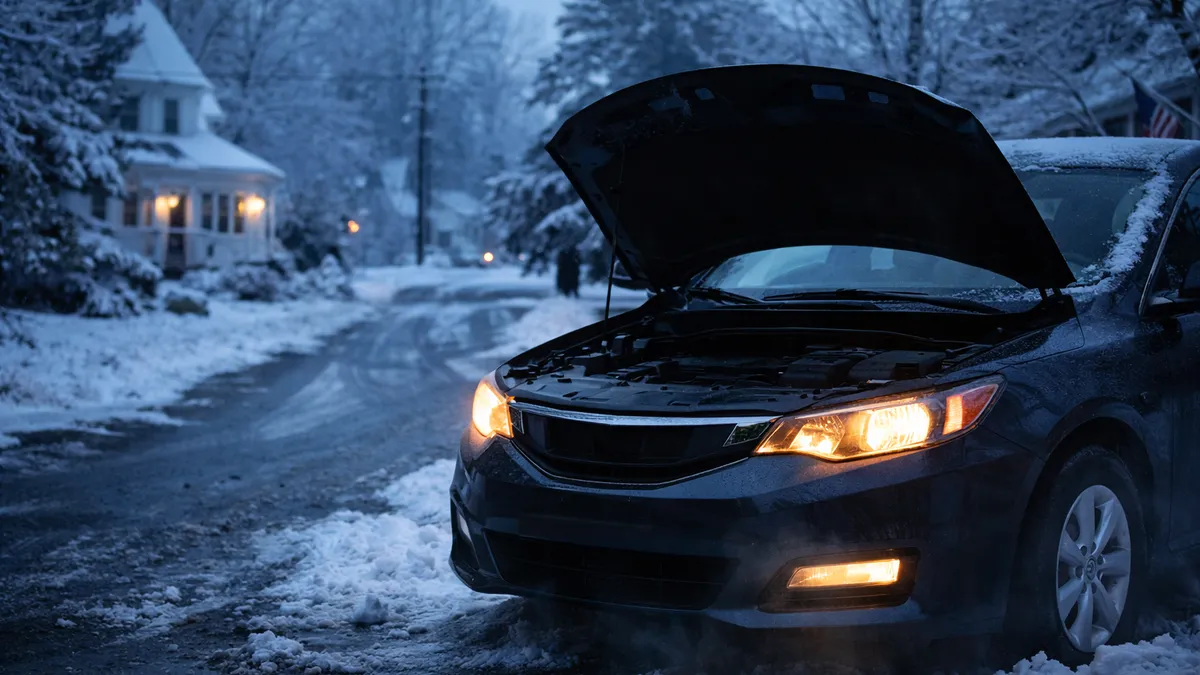
Winter Car Maintenance Checklist for Connecticut Drivers
Connecticut winters are tough on cars. Here's what to check before the cold hits — from tires and batteries to oil and coolant. A seasonal checklist from a Thomaston mechanic.
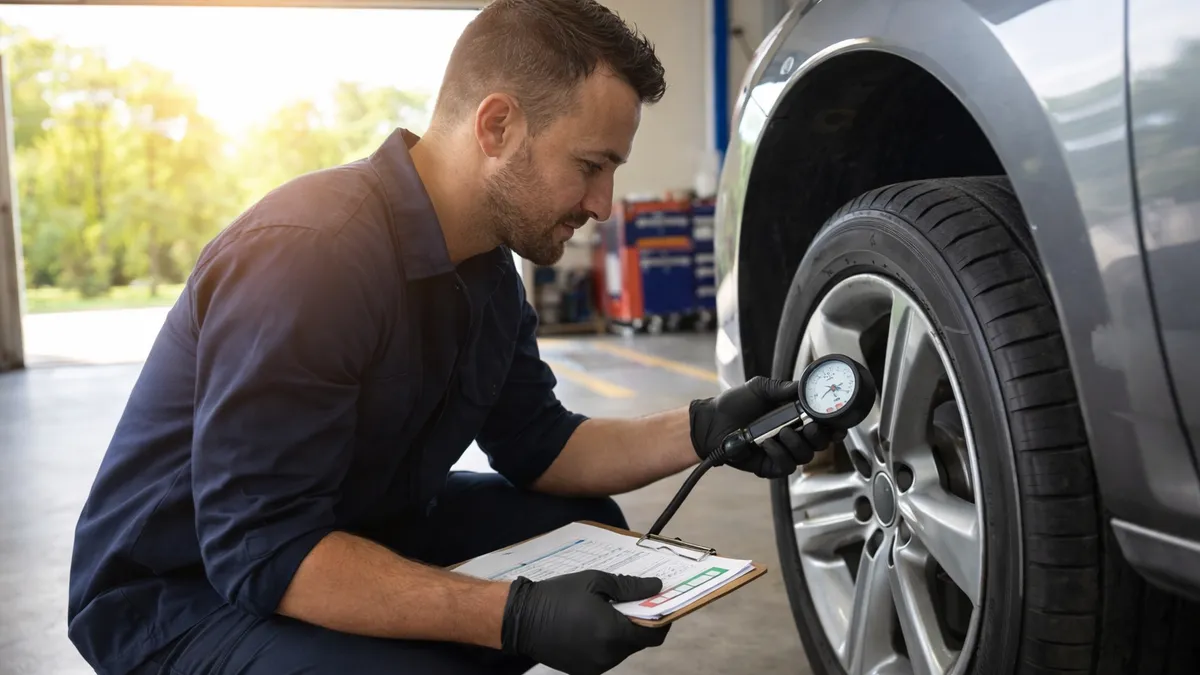
Spring Car Maintenance Checklist for Connecticut Drivers
Connecticut winters are tough on vehicles. Here's a practical spring maintenance checklist to undo winter damage and get your car ready for the warmer months ahead.
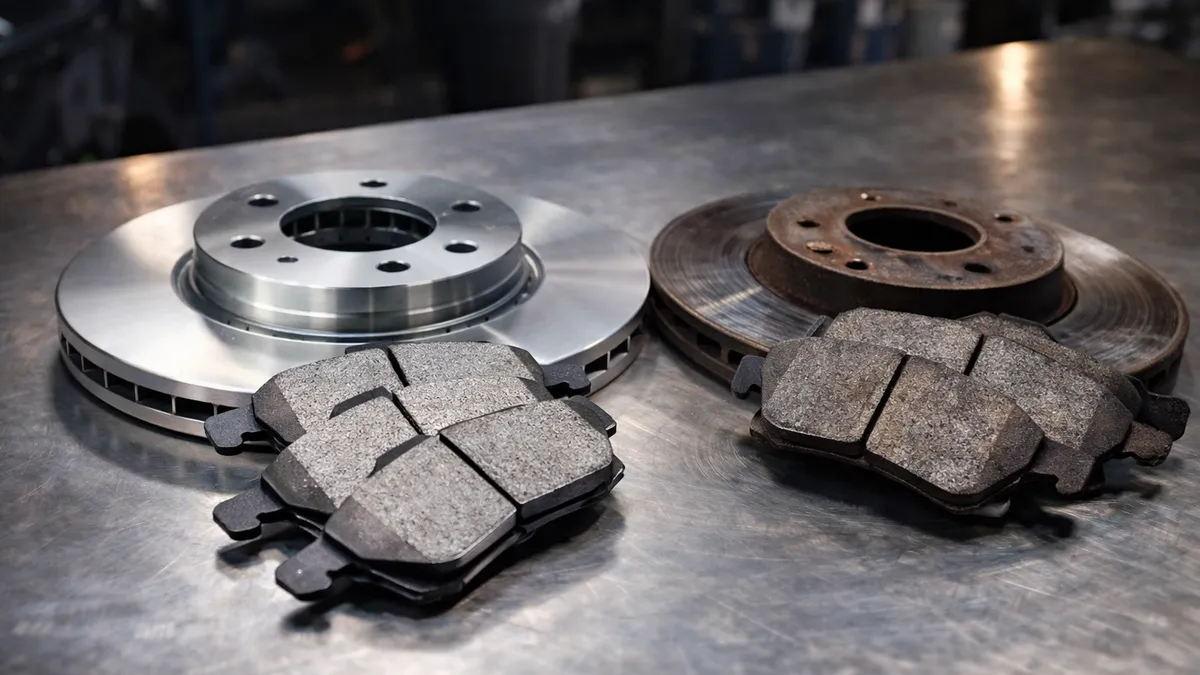
How Much Does Brake Repair Cost in Connecticut?
Brake repair costs in CT depend on what's needed — pads, rotors, calipers, or fluid. Here's a realistic breakdown of what to expect, with no hidden fees.
Ready to Get Your Vehicle Fixed?
Schedule your appointment today. Free estimates on all repairs -- we'll explain what needs to be done before we do any work.