MAINTENANCE_TIPS
Spring Car Maintenance Checklist for Connecticut Drivers
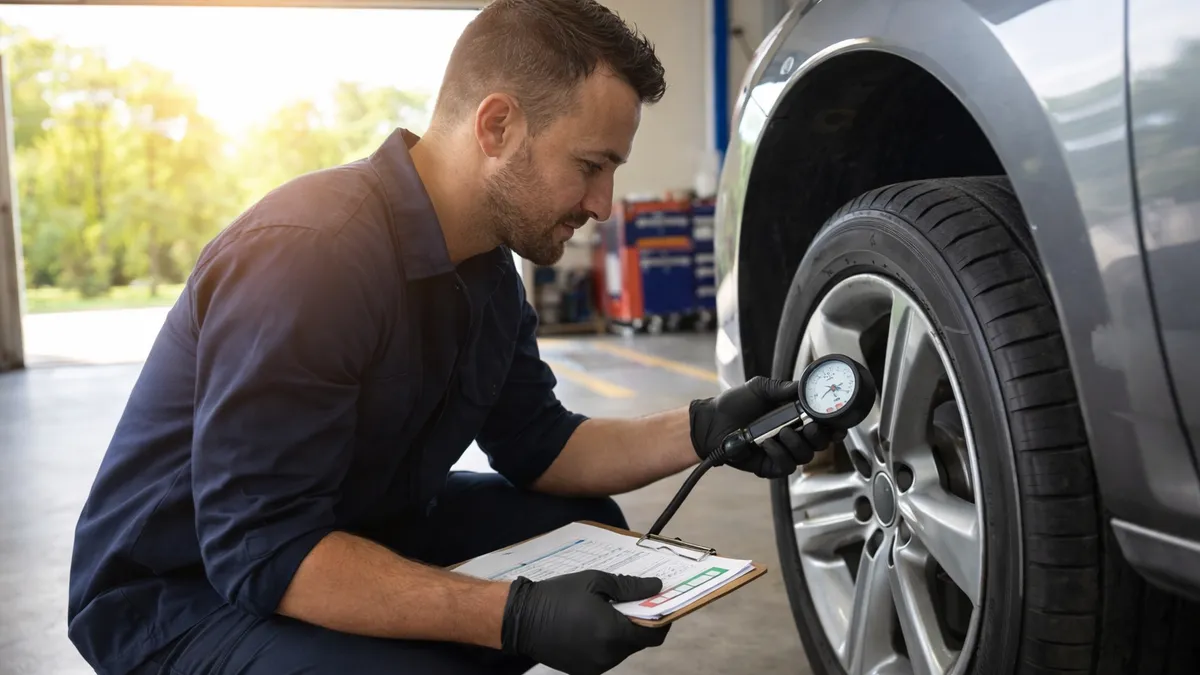
Connecticut winters put your vehicle through a lot. Months of road salt, freeze-thaw cycles, potholes, cold starts, and harsh conditions take a measurable toll on everything from your tires to your brake calipers to your wiper blades. Spring is the time to undo that damage and set your vehicle up for a trouble-free summer.
At P&C Repair in Thomaston, we see the aftermath of Connecticut winters every April and May. Here's a practical spring car maintenance checklist based on what actually matters -- not busy work, just the items that protect your vehicle and your wallet.
1. Wash the Undercarriage -- Thoroughly
This is the single most important thing you can do for your vehicle after winter. Get the salt off the underside. Road salt is still actively corroding your vehicle's undercarriage, brake lines, exhaust, and suspension components long after the last snowfall. It sits in every crevice and seam, holding moisture against bare metal.
A regular car wash with an undercarriage spray option helps, but for a thorough cleaning, you want high-pressure water directed at the underside, inside the wheel wells, and along the frame rails. Do this as soon as temperatures consistently stay above freezing -- don't wait until June.
If you have undercoating, spring is also a good time to inspect it for chips or areas that need touch-up before next winter.
2. Check Your Wheel Alignment
Connecticut's pothole season runs from late February through April. Every year, the freeze-thaw cycle tears up roads throughout Thomaston, Waterbury, Bristol, and especially the rougher stretches of Route 8. Hitting a pothole at speed can knock your wheels out of alignment in an instant.
Signs you need an alignment:
- Steering wheel is off-center when driving straight
- Vehicle pulls to one side
- Uneven tire wear (one edge wearing faster than the other)
- Steering feels vague or wanders
An alignment check is quick and inexpensive. If the alignment is off, getting it corrected now prevents uneven tire wear that can cost you hundreds in premature tire replacement. A good set of tires can wear out in half their expected life from bad alignment.
3. Inspect Your Brakes
Road salt is particularly hard on brake components. Over the winter, salt gets into caliper slide pins, corrodes hardware, and attacks rotors. Here's what to look for in spring:
- Grinding or squealing that wasn't there in fall. If your brakes sounded fine before winter but now make noise, salt corrosion may have caused a caliper to stick, wearing the pads unevenly.
- Vehicle pulling to one side when braking. A sticking caliper from corrosion causes one side to grab harder than the other.
- Soft or spongy brake pedal. This could indicate corroded brake lines that are starting to leak, which is a serious safety concern.
- Visible rust on rotors. Some surface rust is completely normal after the car sits overnight or in wet weather -- it wears off within a few stops. But heavy pitting or scaling on the rotor surface indicates the rotors are degrading and may need replacement.
A brake inspection takes about 15 minutes and can catch problems before they become expensive or dangerous. It's one of the best spring maintenance investments you can make.
4. Check Tire Condition and Pressure
Tires go through a lot in Connecticut winters. Cold temperatures cause tire pressure to drop (about 1 PSI per 10 degrees of temperature change), potholes cause damage, and the overall stress of winter driving accelerates wear.
In spring, check:
- Tire pressure. Set all four tires to the pressure listed on the driver's door jamb sticker (not the number on the tire sidewall). Pressure that was correct in January may be over-inflated now that temperatures are 30-40 degrees warmer.
- Tread depth. Insert a quarter into the tread with Washington's head facing down. If you can see the top of his head, the tread is getting low and you should start planning for replacement.
- Sidewall damage. Look for bulges, cuts, or bubbles on the sidewalls. A bulge means internal structural damage, usually from a pothole impact. A tire with a sidewall bulge is not safe to drive on -- it can blow out without warning.
- Uneven wear patterns. Wear on one edge suggests an alignment problem. Center wear suggests over-inflation. Edge wear on both sides suggests under-inflation.
If you're running winter tires, spring is the time to swap back to all-seasons or summer tires. Winter tires wear much faster on warm pavement and actually provide less grip in warm conditions because the soft rubber compound gets too flexible. In Connecticut, mid-to-late April is typically the right time, once nighttime temperatures consistently stay above 40-45 degrees.
5. Test Your AC System
Your AC hasn't been used much since October. Turn it on now -- in April -- and verify it blows cold. If the system lost refrigerant over the winter or the compressor developed an issue, you want to know now when shops aren't slammed with AC work, rather than in July when everyone else discovers their AC is broken.
Turn the AC to max cold, let it run for five minutes, and check if the air from the vents is genuinely cold. Lukewarm or slightly cool air means the system needs attention. An AC recharge or repair is much easier to schedule in spring than in the middle of a heat wave.
Remember: your AC also powers the defrost system. Even in spring and fall, you need a functioning AC to effectively defog your windshield in humid Connecticut weather.
6. Check All Fluid Levels
Winter driving consumes more fluids and puts more stress on all your vehicle's systems. In spring, check:
- Engine oil. Check the level and condition. If you're due for an oil change based on mileage or time, spring is a great time to do it -- get rid of any moisture contamination from winter short trips.
- Coolant/antifreeze. Check the level in the overflow reservoir (never open a hot radiator cap). The coolant should be clean and at the proper level. If it's low, that could indicate a leak that developed over the winter.
- Brake fluid. Open the reservoir and check the level and color. Brake fluid should be clear to light amber. Dark brown or black brake fluid has absorbed moisture and should be flushed -- especially important in Connecticut where brake lines are already under salt assault.
- Windshield washer fluid. You probably went through a lot of it this winter. Refill with a quality washer fluid. Spring pollen season is coming, and you'll need it.
- Transmission fluid. If your vehicle has a dipstick for it, check the level and smell. Burnt-smelling or very dark transmission fluid needs attention.
7. Inspect Wiper Blades
Winter destroys wiper blades. Ice scraping, freezing to the windshield, and constant use in snow and slush cause the rubber to crack, tear, and lose flexibility. If your wipers streak, skip, or chatter across the windshield, replace them. Good wipers cost $15-$30 each and take five minutes to install. Poor visibility during spring rainstorms is a real safety hazard.
8. Look Under the Hood
Pop the hood and do a visual inspection:
- Belts and hoses. Look for cracking, fraying, or swelling. Cold temperatures accelerate rubber degradation. A serpentine belt that was marginal in fall may be ready to break now.
- Battery terminals. Check for corrosion (white or greenish buildup). Winter is the hardest season for batteries, and corrosion on terminals reduces charging efficiency. Clean terminals with a wire brush if needed.
- Air filter. Pull it out and hold it up to light. If you can't see light through it, replace it. A clogged air filter reduces fuel economy and performance.
- Critter damage. Mice, squirrels, and other rodents love to nest in engine bays during winter. Check for chewed wires, nesting material on top of the engine, or debris in the air intake. We see this more than you'd think in the Thomaston and Litchfield County area.
Spring Maintenance at P&C Repair
If you want a professional to handle your spring checkup, bring your vehicle to P&C Repair in Thomaston. We'll go through the items on this list, let you know what needs attention now versus what can wait, and give you honest recommendations without upselling unnecessary work.
A spring inspection at our shop covers brakes, tires, fluids, belts, hoses, and a general visual assessment of the undercarriage for salt damage. It's quick, affordable, and gives you peace of mind heading into the warmer months.
P&C Repair is at 64 N Main St in Thomaston -- easy to reach from Waterbury, Plymouth, Terryville, Bristol, Harwinton, and Torrington. Call (860) 601-0271 or just stop by. Monday-Friday 8AM-5PM, Saturday 8AM-1PM.
Need Help With This?
If something in this article sounds like what your vehicle is going through, bring it in. We'll diagnose the issue and give you a straight answer.
Keep Reading
More from The Garage
Winter Car Maintenance Checklist for Connecticut Drivers
Connecticut winters are tough on cars. Here's what to check before the cold hits — from tires and batteries to oil and coolant. A seasonal checklist from a Thomaston mechanic.
Undercoating and Rust Protection in Connecticut — Why It Matters
Road salt destroys vehicles from the bottom up in Connecticut. Here's why undercoating matters, when to get it done, and how it protects your exhaust, brake lines, and frame.
How Often Should You Change Your Oil? A Guide for CT Drivers
Oil change intervals depend on your vehicle, oil type, and driving conditions. Here's what Connecticut drivers actually need to know -- no upsells, just the facts.
Ready to Get Your Vehicle Fixed?
Schedule your appointment today. Free estimates on all repairs -- we'll explain what needs to be done before we do any work.