REPAIR_GUIDES
How to Find an Honest Mechanic in Litchfield County (What to Ask Before Any Repair)
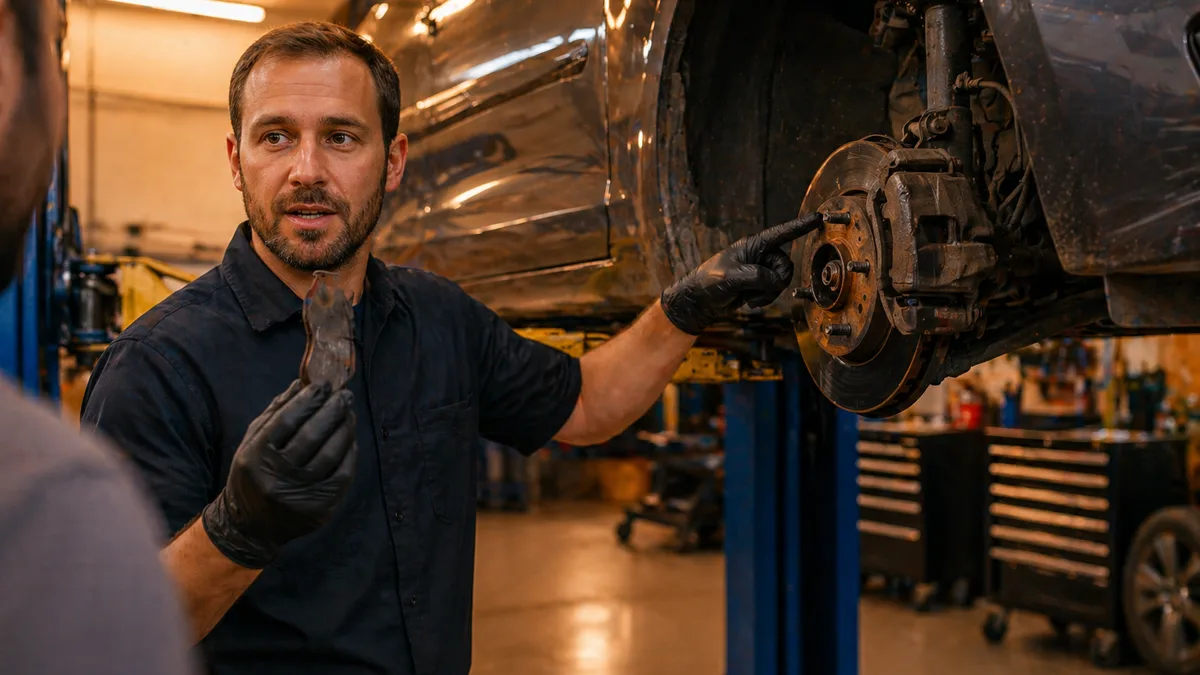
If you've ever left a repair shop feeling like you just got talked into something, you're not alone. Auto repair is one of the few industries where most customers can't verify whether the work was necessary or done correctly. That information gap is where dishonest shops make money -- and it's why finding a good one matters.
Here's what to watch for, what to ask, and how to tell the difference between a shop worth a lifelong relationship and one to walk away from.
Red Flags That Show Up Before the Work Starts
1. Pressure Tactics
"You really shouldn't drive this home." "This has to be done today." "I can squeeze you in right now if you authorize." True emergencies exist, but they're rare. Most repairs can wait at least a few days -- and an honest mechanic will tell you exactly how long is safe. Aggressive pressure to commit immediately is a sales technique, not a diagnostic one.
2. Diagnostic Fees That Grow Without Explanation
A diagnostic fee is normal -- usually $75-$150 to properly scan, test, and identify a problem. What's not normal is a diagnostic that starts at $75 and ends up $300 without explanation of what additional work was needed. Ask upfront what the diagnostic includes and what would push the cost higher.
3. Refusing to Show You the Broken Part
If a shop replaces a part, ask to see the old one. Every honest shop will either show it to you at pickup, save it for you to take home, or have already put it in a plastic bag for you. Shops that can't or won't produce the old part are shops that shouldn't be trusted with the next repair.
4. No Itemized Written Estimate
"It's about $1,800" isn't an estimate. A real estimate lists each part with a price and labor hours separately. If a shop won't write that down before starting, they're leaving themselves room to charge whatever they want at the end. Ask for a written estimate. Every reputable shop provides one.
5. "We Found Some Other Things" On Every Visit
Every visit shouldn't uncover hundreds of dollars of newly urgent work. A vehicle wearing out normally develops one or two issues per year, not eight. Shops that find cascading "additional problems" at every oil change are either looking for reasons to bill you or not competent enough to identify real issues during scheduled service.
6. Can't or Won't Explain the Repair Clearly
Technical jargon used to obscure what was actually wrong is a warning sign. A mechanic who knows what they're doing can explain what failed, why, and what the repair does -- in plain language. If you leave the conversation more confused than when you started, either the mechanic can't explain it or doesn't want to.
Green Flags That Signal an Honest Shop
1. BBB Accreditation and Solid Online Ratings
Better Business Bureau accreditation means the shop has agreed to a code of conduct and has its complaint history publicly documented. Combine that with Google reviews, Yelp, and Facebook reviews read across years, not just the most recent. Patterns matter more than any single review.
2. ASE-Certified Technicians
Automotive Service Excellence (ASE) certification is the industry's national credential. An ASE certification behind the counter means a technician has passed standardized testing and commits to ongoing education. Not every good mechanic is ASE-certified, but the certification is a positive signal.
3. Willingness to Show Everything
The worn brake pad. The leaking hose. The old oil filter. The cracked serpentine belt. A shop that automatically shows you what's wrong is a shop that isn't afraid of the conversation.
4. Itemized Estimates and Invoices
Parts listed separately. Labor hours shown. Shop supplies disclosed. Tax broken out. If you can read the invoice and understand exactly what you paid for, the shop is operating transparently.
5. Honest Triage
A good shop will tell you "this needs to happen today," "this can wait three months," and "honestly, don't worry about this for a year." That kind of prioritization takes more effort than just writing up the full list -- and it builds the trust that brings customers back for years.
6. Tells You When Dealer Is the Right Answer
Covered under warranty? Open recall? Needs dealer-only diagnostic software? An honest independent shop will send you to the dealer and explain why. We wrote more about this in our dealer vs independent guide.
Questions to Ask Before Authorizing Any Repair
- "Can I see the part that needs replacing?" Watch the response as much as the answer.
- "What happens if I wait three months on this?" A direct answer means honest triage. Vagueness or scare tactics mean upsell pressure.
- "Can I get a written estimate before the work starts?" The answer should always be yes.
- "Do you warranty the work?" Most reputable shops warranty parts and labor for at least 12 months / 12,000 miles. Nationwide warranties (like NAPA's) are an added positive.
- "Is this covered under any extended warranty or recall?" A shop that checks for you -- or points you to the dealer when it is -- is being honest.
- "What's the cost range if it turns out to be something worse?" Forces the mechanic to think about the diagnostic tree, which good ones will do anyway.
Test the Shop Before You Trust It
Before committing to a shop for a big repair, test them on something small. An oil change. A tire rotation. A CT emissions test. Watch how they handle it. Do they explain what they did? Do they point out minor issues without pressuring you to fix them? Do they hand you a clean, itemized invoice? Small interactions reveal exactly what the big interactions will look like.
Our Standard at P&C Repair
We're BBB-accredited with an A+ rating since 2017. We save your old parts. We write itemized estimates. We tell you when something can wait. And when a repair is genuinely covered under warranty or recall, we send you to the dealer. That's how we've earned the customers we have since 2015.
If you're in Thomaston, Waterbury, Plymouth, Terryville, Bristol, Torrington, or anywhere in Litchfield County and looking for a shop worth keeping long-term, come see us. 64 N Main St in Thomaston, (860) 601-0271. We'd rather lose a single repair than a customer's trust.
Need Help With This?
If something in this article sounds like what your vehicle is going through, bring it in. We'll diagnose the issue and give you a straight answer.
Keep Reading
More from The Garage
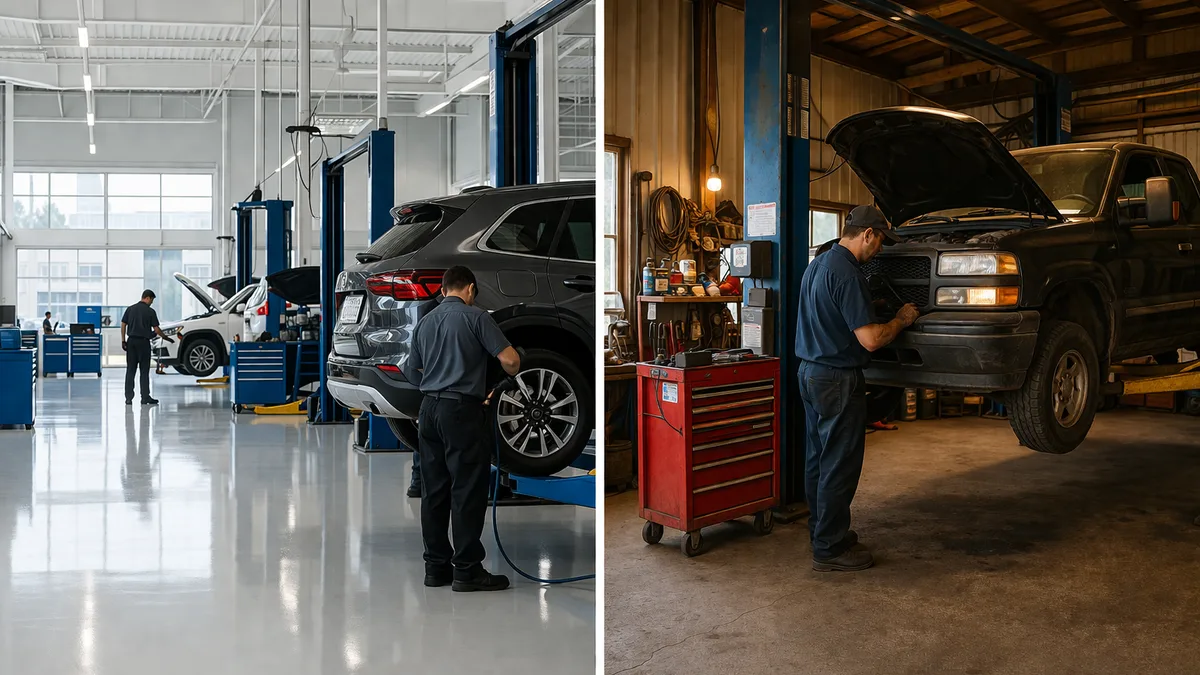
Dealership vs Independent Shop in Connecticut: Labor Rates, Warranty Myths, and When Each One Makes Sense
Going to a dealer does not 'protect your warranty' and going to an independent shop does not void it. Here's the real comparison: labor rates, capabilities, and when each is the right choice for CT drivers.
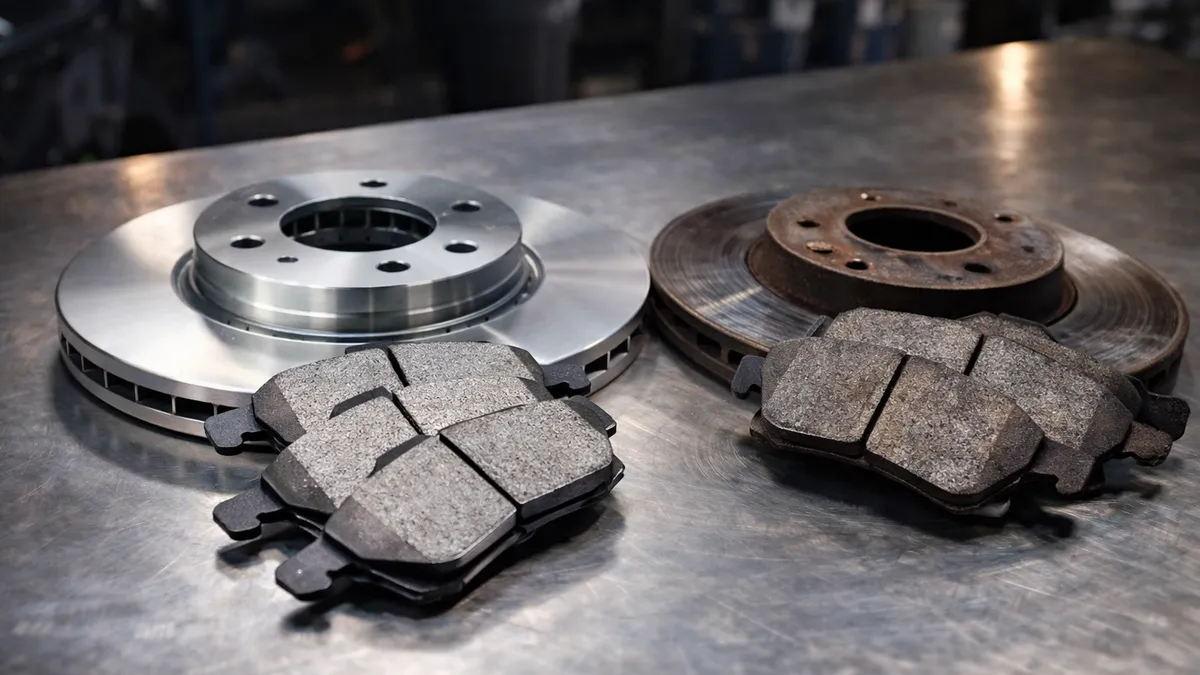
How Much Does Brake Repair Cost in Connecticut?
Brake repair costs in CT depend on what's needed — pads, rotors, calipers, or fluid. Here's a realistic breakdown of what to expect, with no hidden fees.
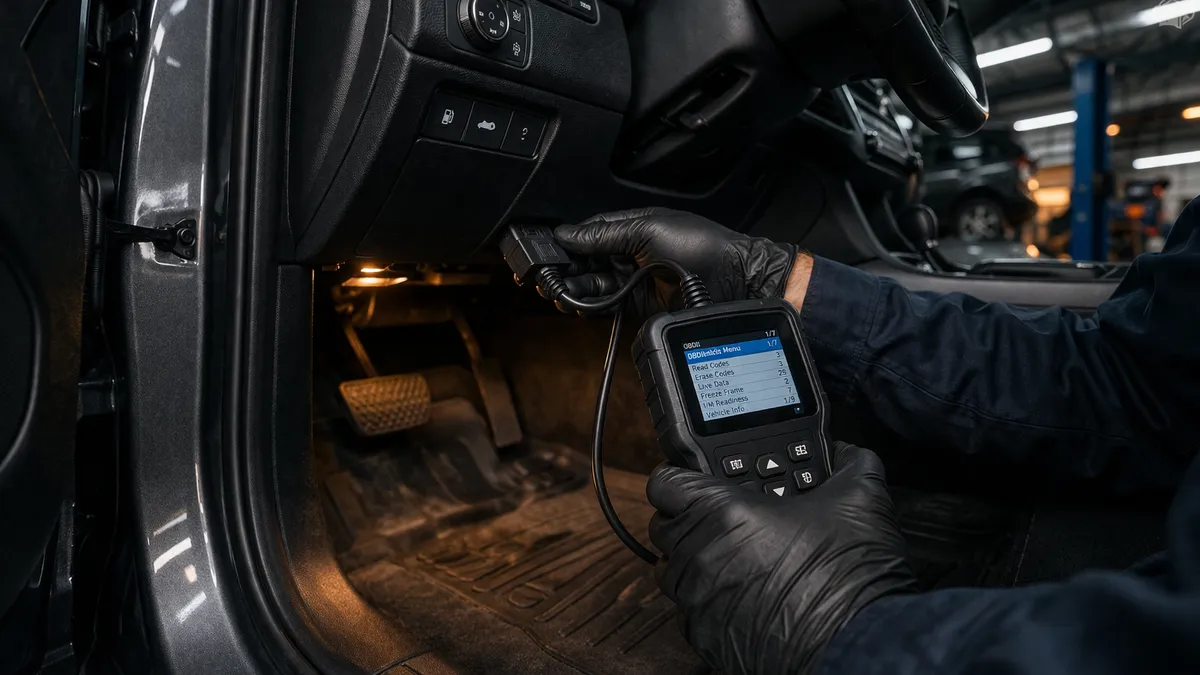
CT Emissions Test Coming Up? Here's What to Know
Everything Connecticut drivers need to know about emissions testing -- what's checked, who's exempt, how to prepare, and what to do if your vehicle fails.
Ready to Get Your Vehicle Fixed?
Schedule your appointment today. Free estimates on all repairs -- we'll explain what needs to be done before we do any work.